Publishing
Prepare the manuscript after a full request
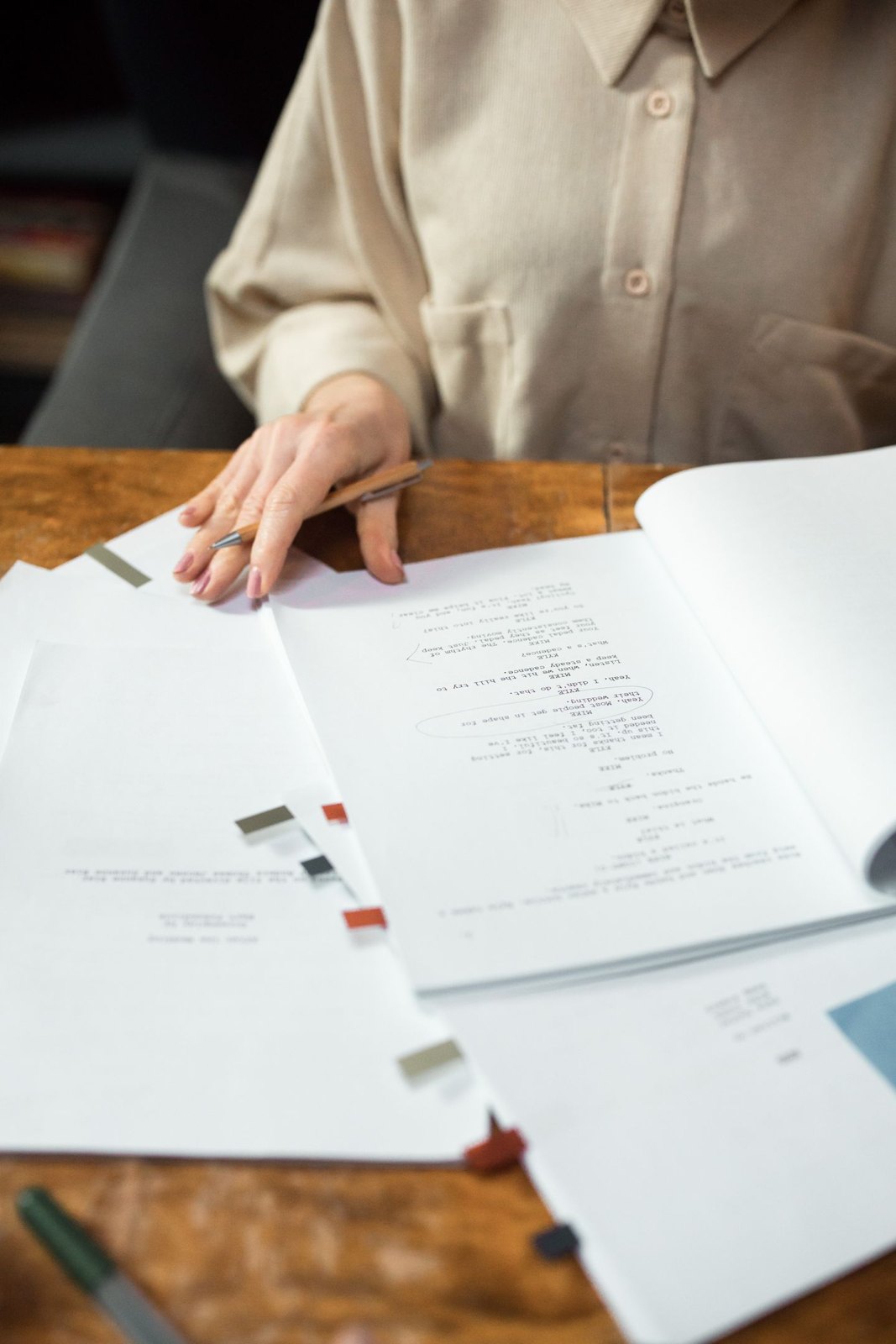
A full request calls for the requested manuscript, a clean handover and an accurate record of any conditions attached to it.
Publishing
A proposal explains the book’s idea, audience, structure and evidence, while sample writing demonstrates how that plan will become a readable work.

A nonfiction proposal should let a recipient understand what book is being proposed and why its intended readers would choose it. Begin with a clear description of the subject, approach and central question. “A book about rivers” is a subject area; “a narrative history following how one river shaped three neighbouring towns” describes an approach and a manageable scope.
Explain what the reader will gain without promising more than the book can deliver. The gain might be understanding an overlooked history, following a compelling investigation or learning a defined process. State the boundaries too. A book about growing food on rented balconies need not cover every kind of horticulture to serve its readers well.
Use the recipient's instructions to determine the proposal's exact contents and extent. David Higham Associates describes nonfiction proposal material in terms of the planned book, its themes and supporting material, with sample writing. Different projects and recipients require different detail. Build a coherent proposal, then adapt it to the actual request rather than assuming one universal template.
A chapter outline should explain movement, not merely provide a list of attractive headings. Describe what each chapter contributes and why it arrives at that point. If the book teaches a process, show how later tasks depend on earlier knowledge. If it tells a history, show the changes and tensions that carry the reader through the sequence.
Check for repetition between chapter summaries. Several chapters described as “exploring the challenges” may conceal an undifferentiated plan. Give each one a distinct question, body of material or stage in the argument. The outline should reveal both the book's unity and the reason each part exists.
For a narrative project, identify the people, events and access that will support the story. Distinguish material already obtained from interviews, archives or permissions still being sought. A proposal becomes more credible when it describes uncertainty honestly. Do not present hoped-for access as a secured foundation for the book.
Describe the likely reader in terms relevant to the project: interests, needs, knowledge and reading habits. “Everyone interested in life” is too broad to guide editorial or publishing decisions. A smaller, clearly understood audience can support a more convincing account of the book's purpose.
Discuss comparable books by identifying useful relationships and differences. Perhaps readers of a recent cultural history will recognise the narrative approach, while your project examines a different place or source base. Avoid treating comparison as proof of equivalent sales. Explain what the existing books help you understand about readers and where your proposal offers something distinct.
Include relevant information about your ability to reach readers, but keep it factual. A newsletter, speaking programme or professional network may matter if it connects with the proposed audience. State what exists and how it relates to the book. Do not convert a follower count into an unsupported prediction of purchases.
Choose sample material that represents the intended book. A polished opening can establish voice; another chapter may better demonstrate how you handle explanation, evidence or narrative development. Follow the requested sample extent, and ensure the sample matches the outline's account of the book rather than an abandoned version.
Make the status of research clear. Explain the kinds of sources you will use and any specialist checking the project requires. If illustrations, quotations or other third-party material are central, identify the permissions work rather than assuming every desired item will be available. The proposal need not settle every production detail, but it should reveal substantial dependencies.
Your biography should connect relevant experience to the work proposed. Expertise can take different forms, including research, professional practice, access or previous writing. Avoid claims of authority that the sample and evidence cannot support. A precise account of what you know and what you will investigate is stronger than a sweeping claim to be uniquely qualified.
Read the overview, chapter plan, audience discussion and sample together. Do they describe the same book, at the same level of difficulty and with the same promise? Update dates, lengths and research status consistently. A proposal is ready when its parts reinforce one another and a reader can understand both the ambition and the work required to deliver it.
Publishing
A full request calls for the requested manuscript, a clean handover and an accurate record of any conditions attached to it.
Publishing
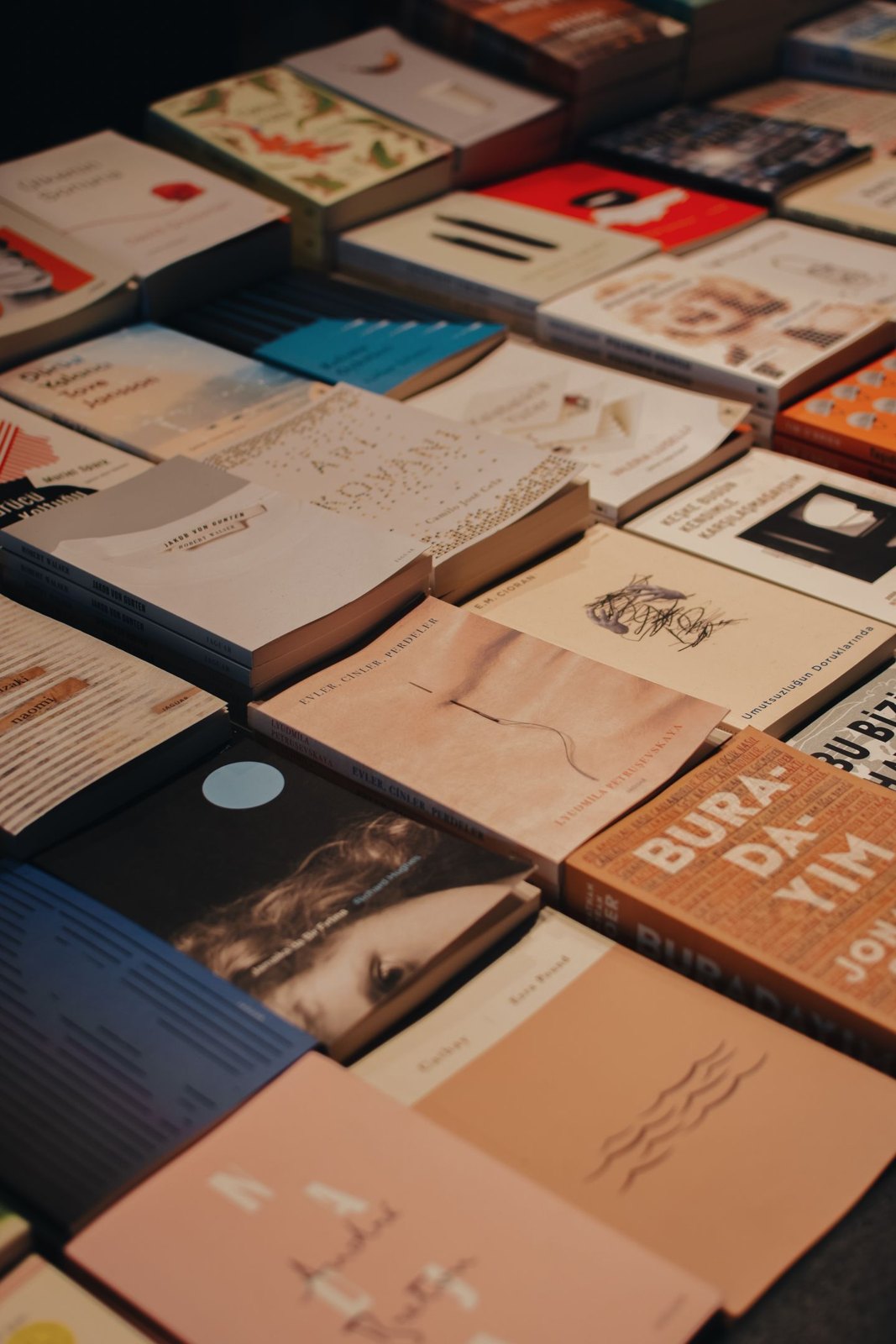
Comparable books help explain readership, approach and position when the comparison is specific and based on reading.