Tools & workflow
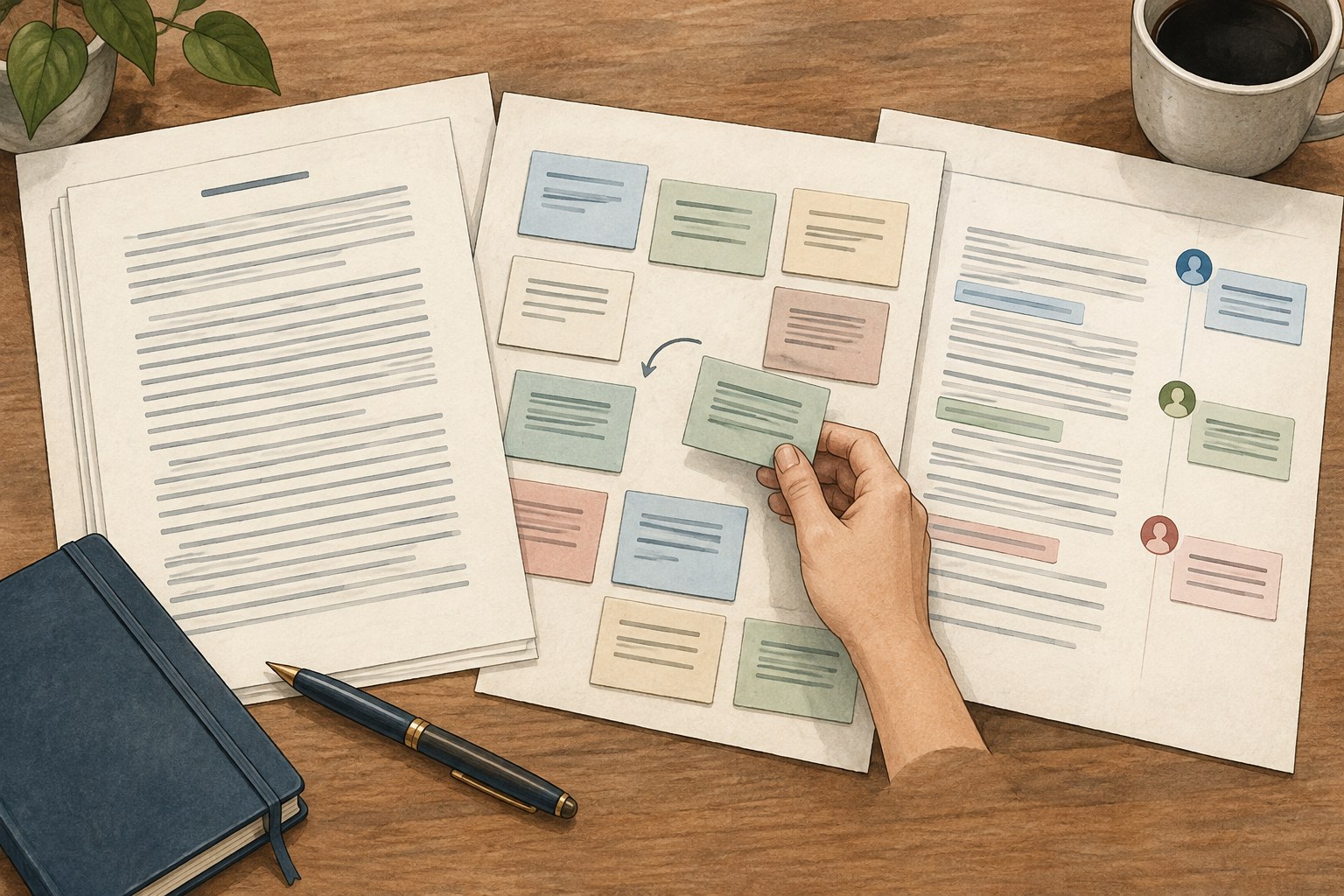
A writing app has to fit the whole workflow
Compare tools using a representative piece of your own work, including the moment when the draft must leave the app.
The subject index / 22 articles
Choose and organise the software, files and working habits behind a book project.
Tools & workflow
Compare tools using a representative piece of your own work, including the moment when the draft must leave the app.
Tools & workflow
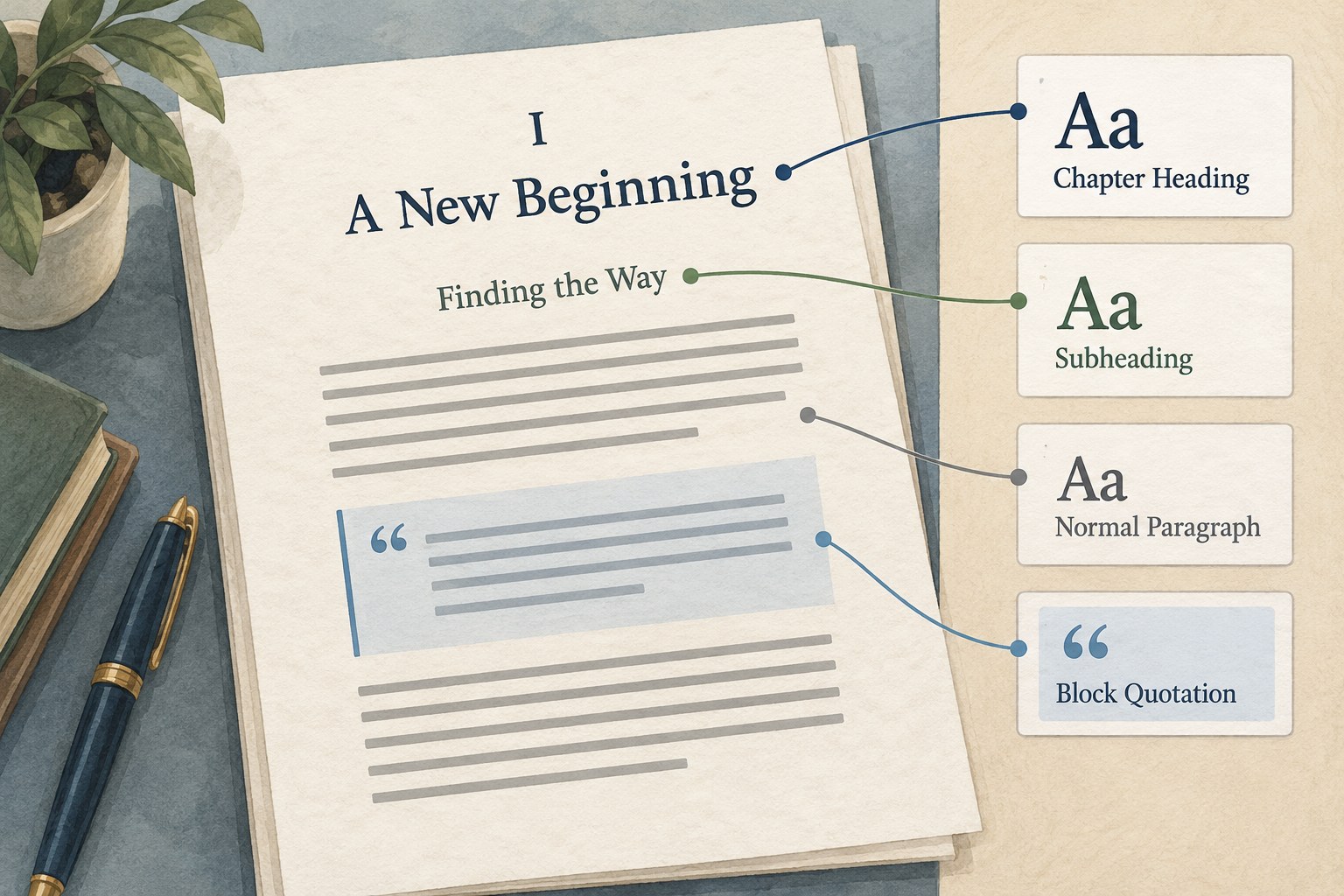
Styles give repeated elements a shared identity, making long documents easier to revise and hand over.
Tools & workflow
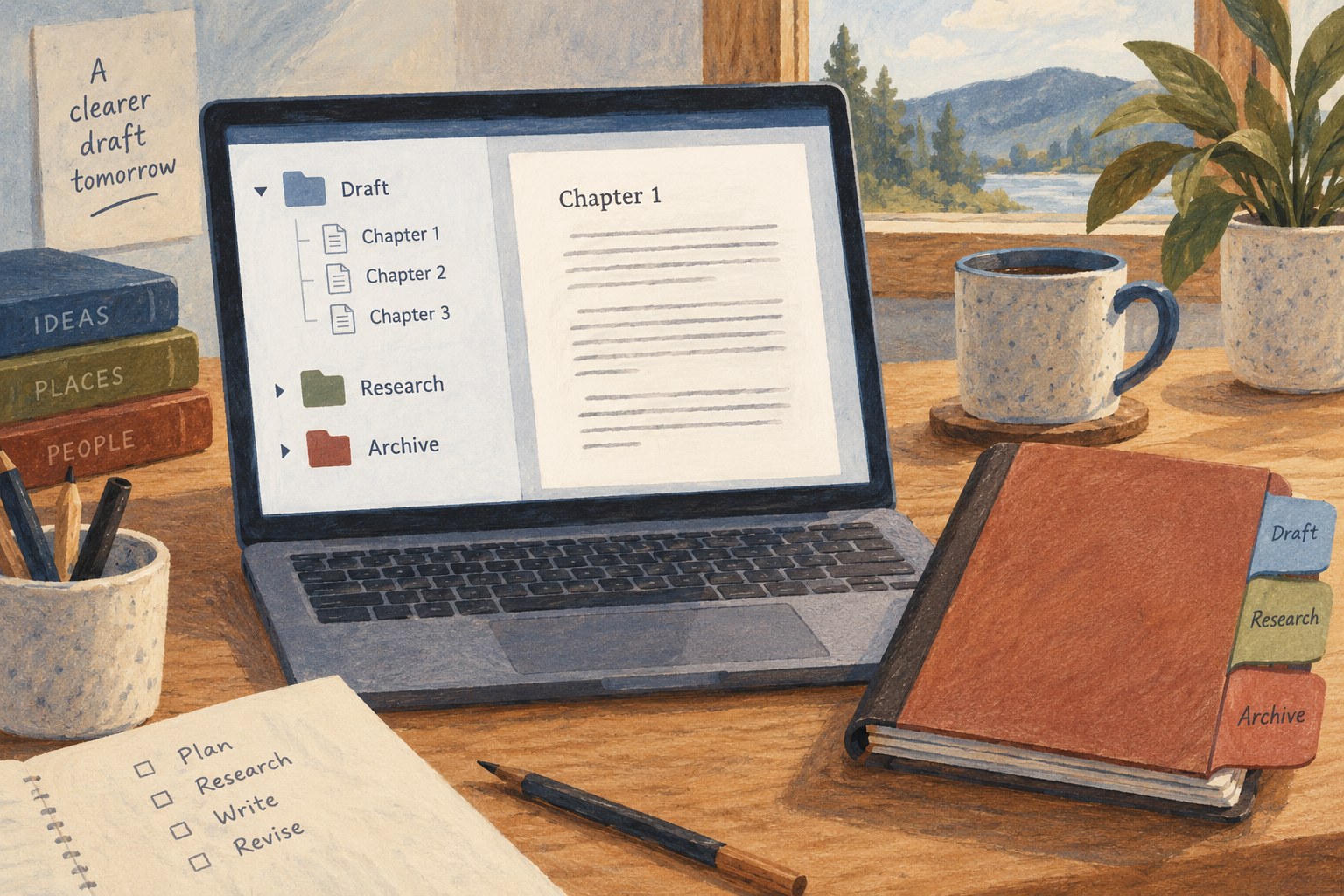
Use the Binder to make the next piece of writing easy to find, and add structure only when the project needs it.
Tools & workflow
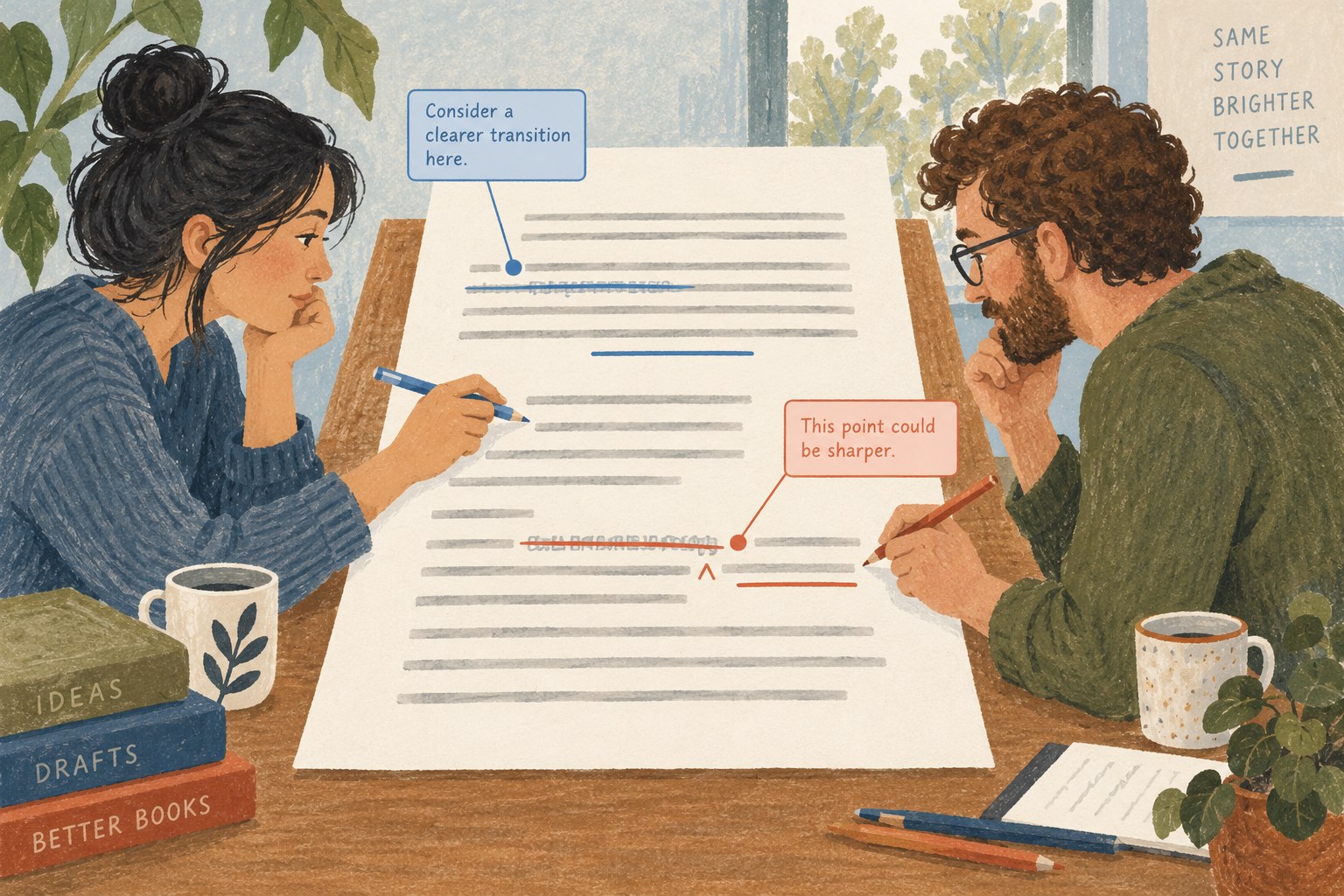
Agree how people should comment, suggest and approve changes before several voices enter the same document.
Tools & workflow
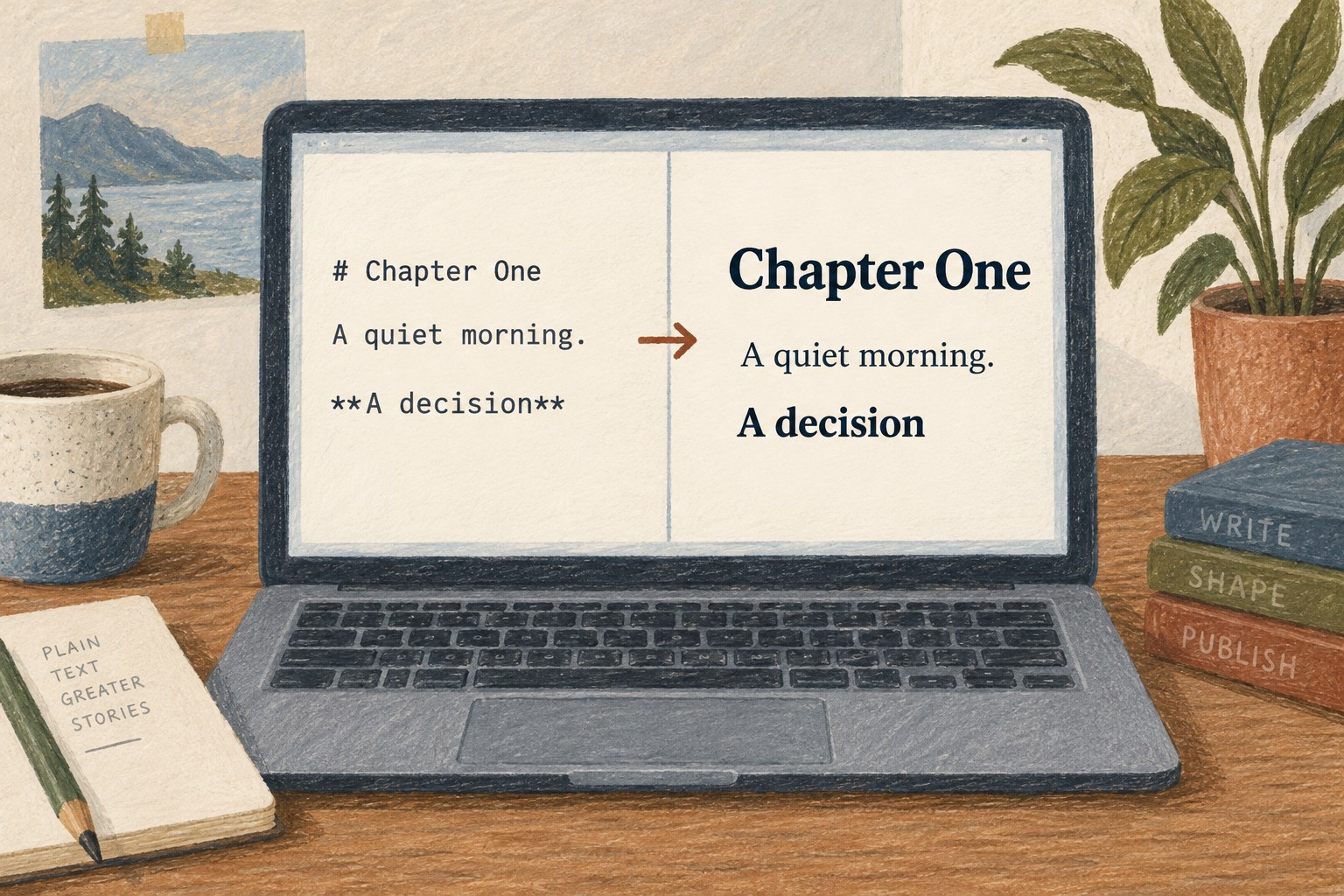
Plain text can simplify drafting when the book’s structure is modest and the later conversion is understood.

Tools & workflow
Use a small trial to discover which parts of writing become easier when spoken, and which still need a keyboard.

Tools & workflow
A reference manager helps when sources recur and citations need to remain connected to reliable records.
Tools & workflow
Organise research by the questions you will return to, with enough source detail to retrace the evidence.
Tools & workflow
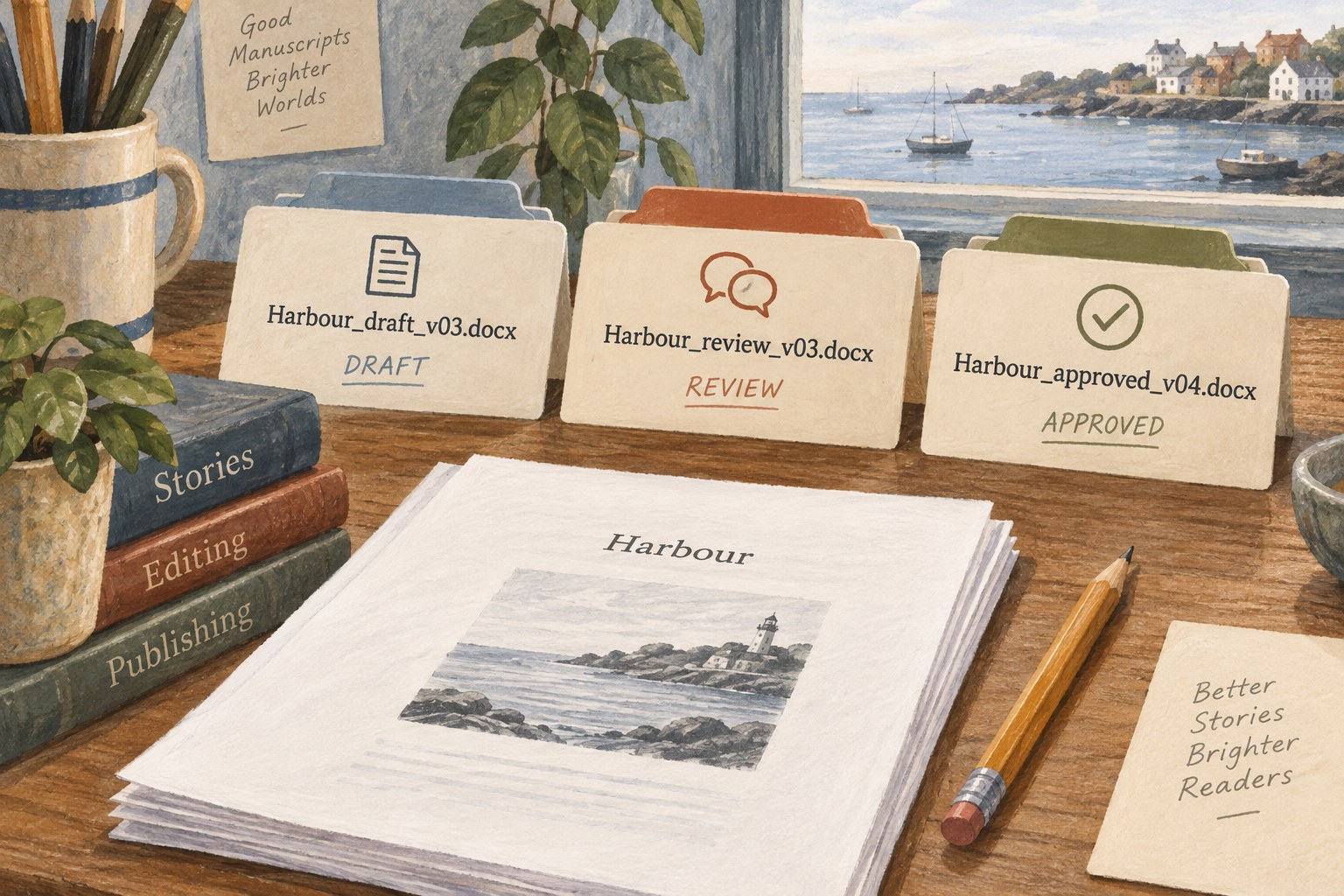
A filename should reveal the project, the document’s role and which version it represents.

Tools & workflow
Protect the manuscript, its supporting files and the ability to restore a usable project.

Tools & workflow
Restore a copy into a separate location and check that it contains the work and dependencies you expect.
Tools & workflow
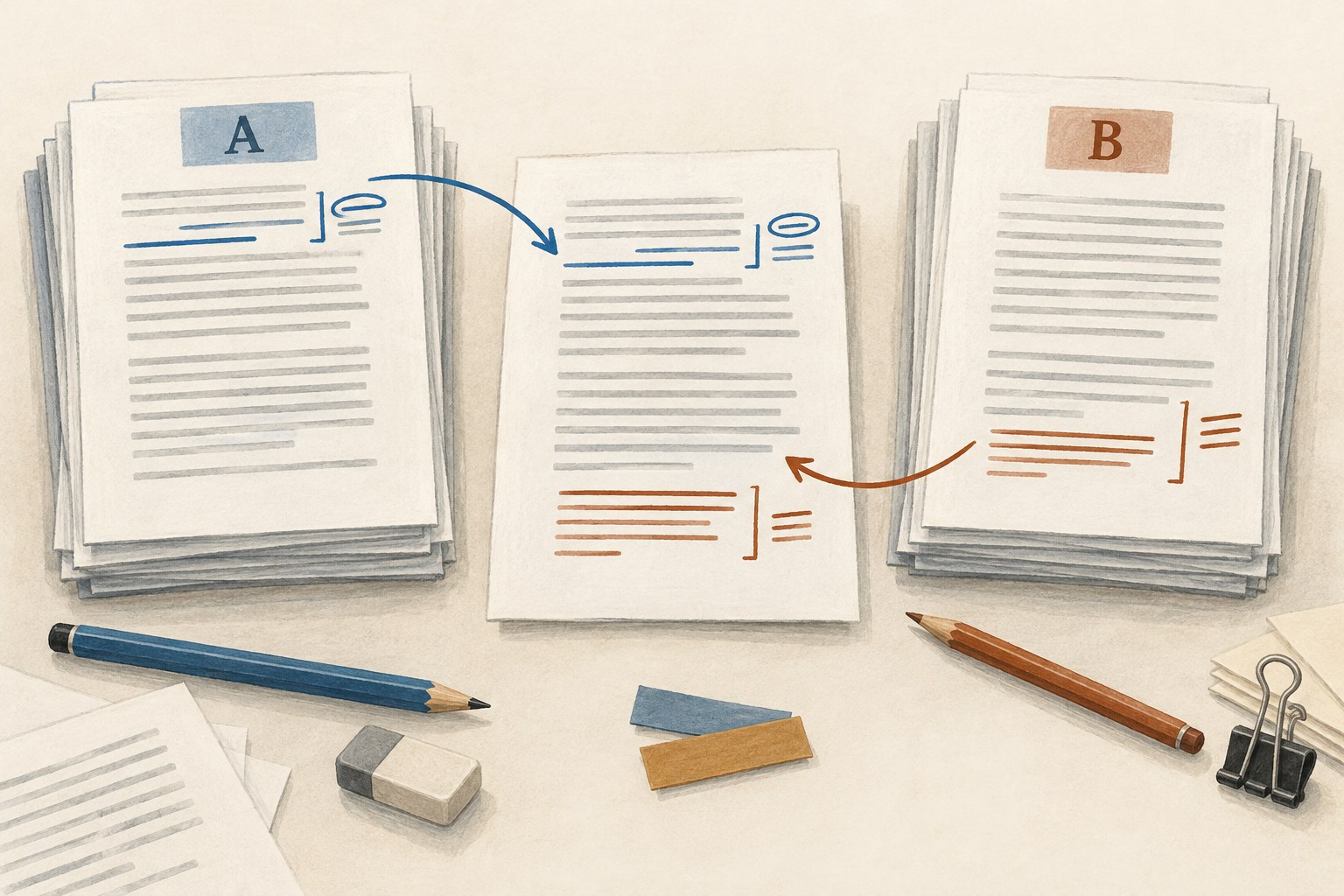
Preserve both versions first, then compare the changes before choosing a new active draft.

Tools & workflow
Treat export as a conversion that needs its own inspection, especially when the next person uses different software.
Tools & workflow
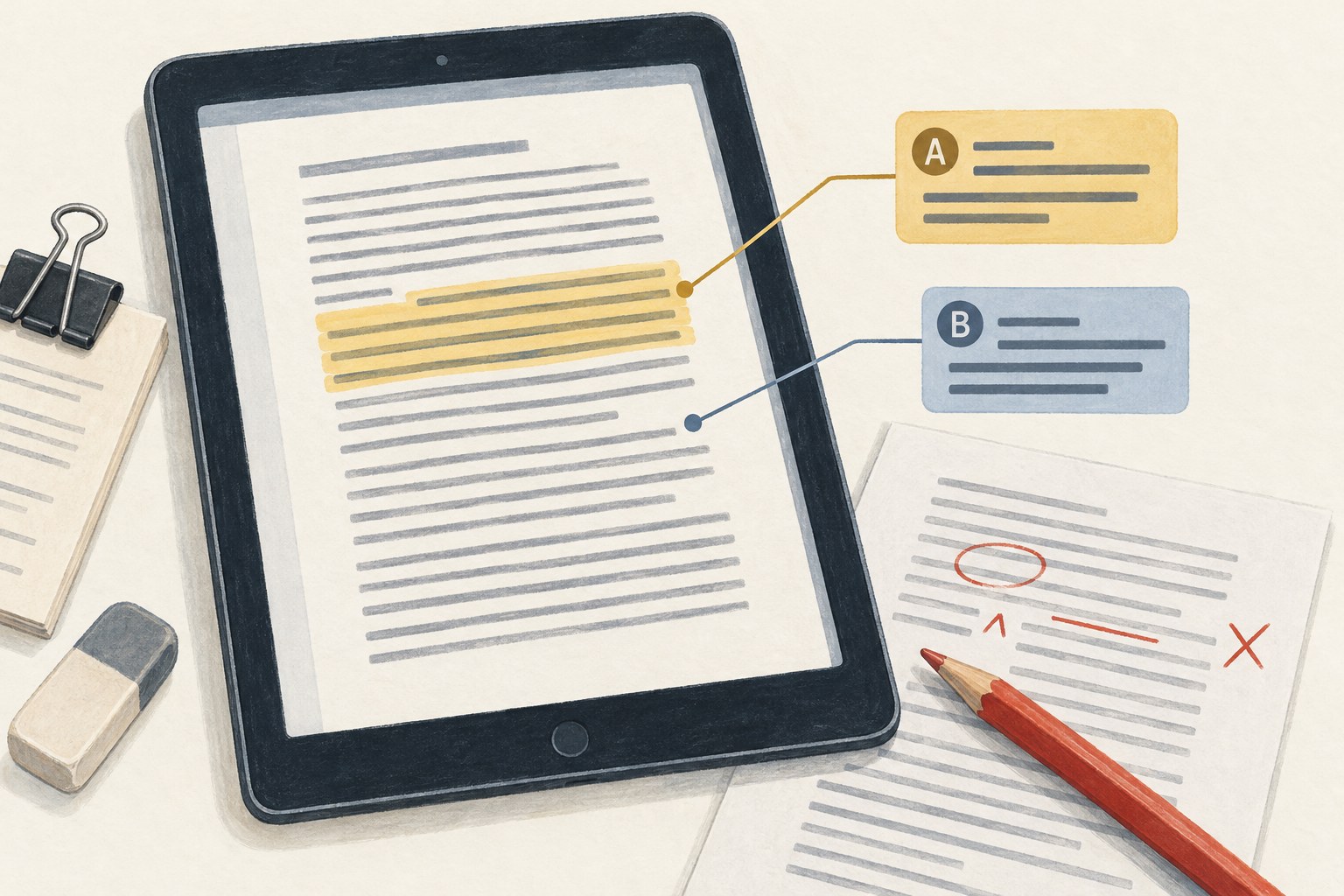
Anchor each correction to a precise location and keep the proof version visible throughout the review.

Tools & workflow
Optical character recognition can make notes searchable, but the resulting text still needs checking. Preserve the scan so you can compare what the software read.
Tools & workflow
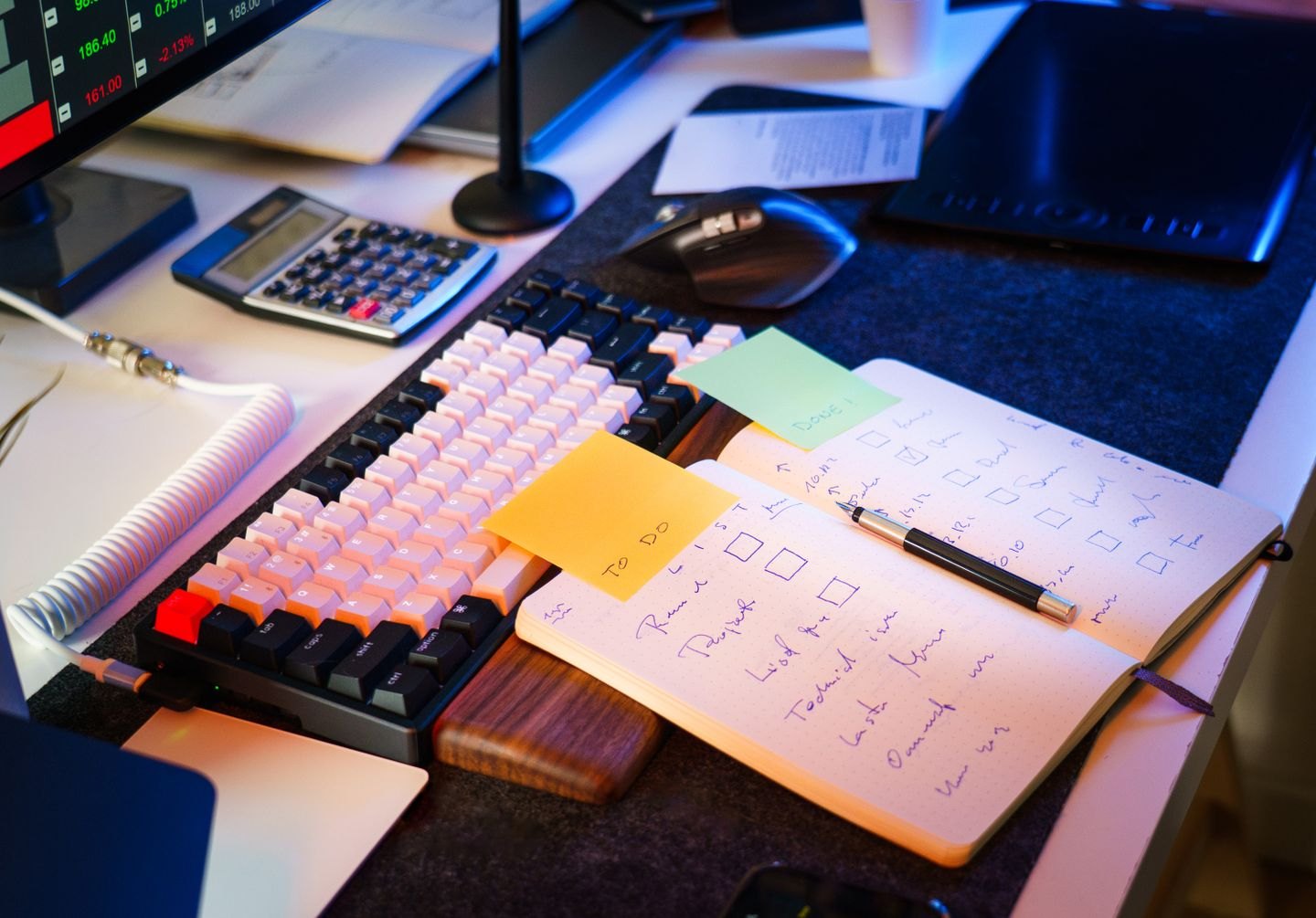
Learn shortcuts for actions you repeat during real editing. A small set used correctly is more valuable than a long list you cannot remember.

Tools & workflow
Reduce the interruptions you can predict, then give the session a task small enough to start. The aim is a workable period of attention, not an elaborate ritual.
Tools & workflow
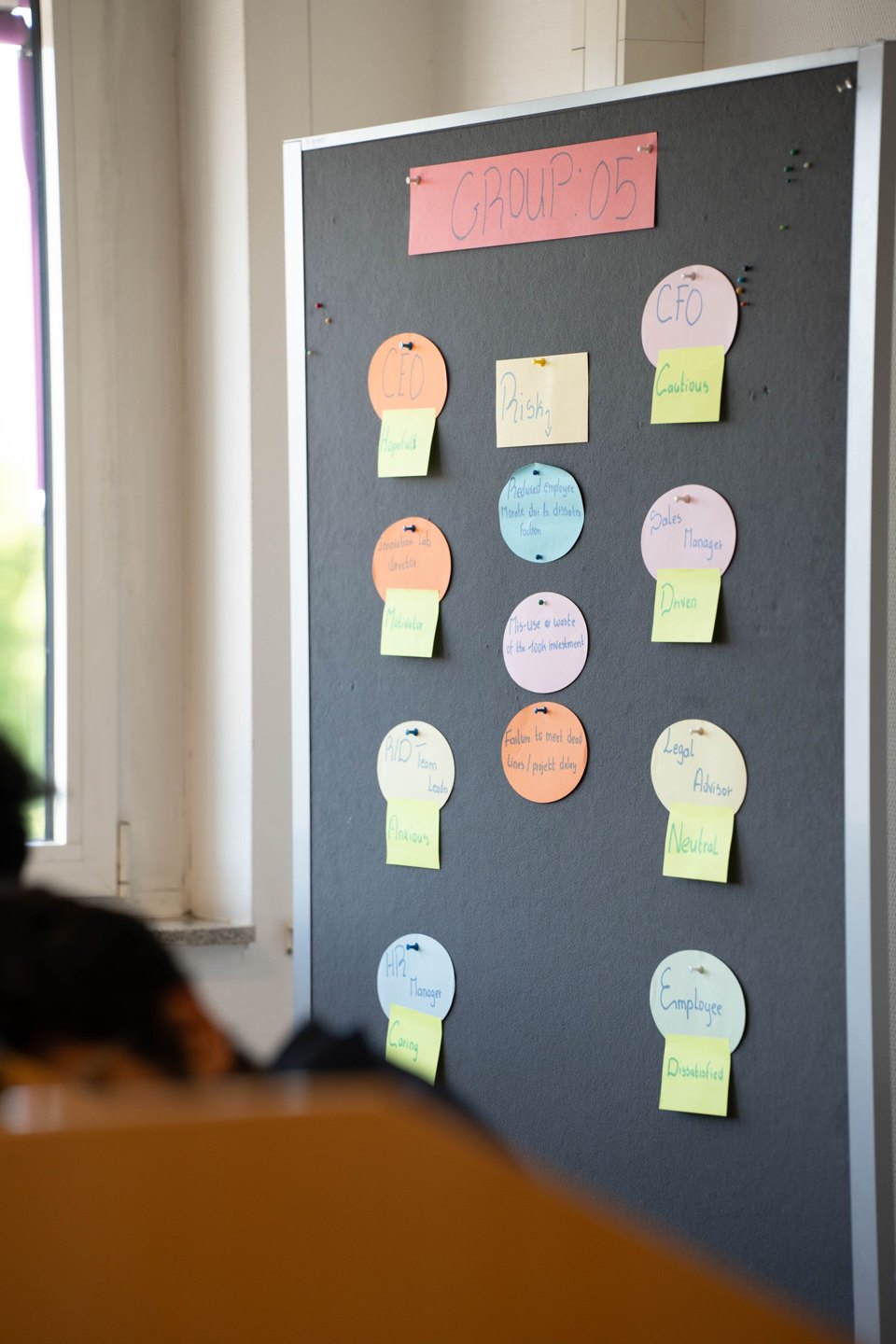
A board can show which publishing tasks are moving and which are waiting. Keep each card tied to a result somebody can recognise as finished.
Tools & workflow
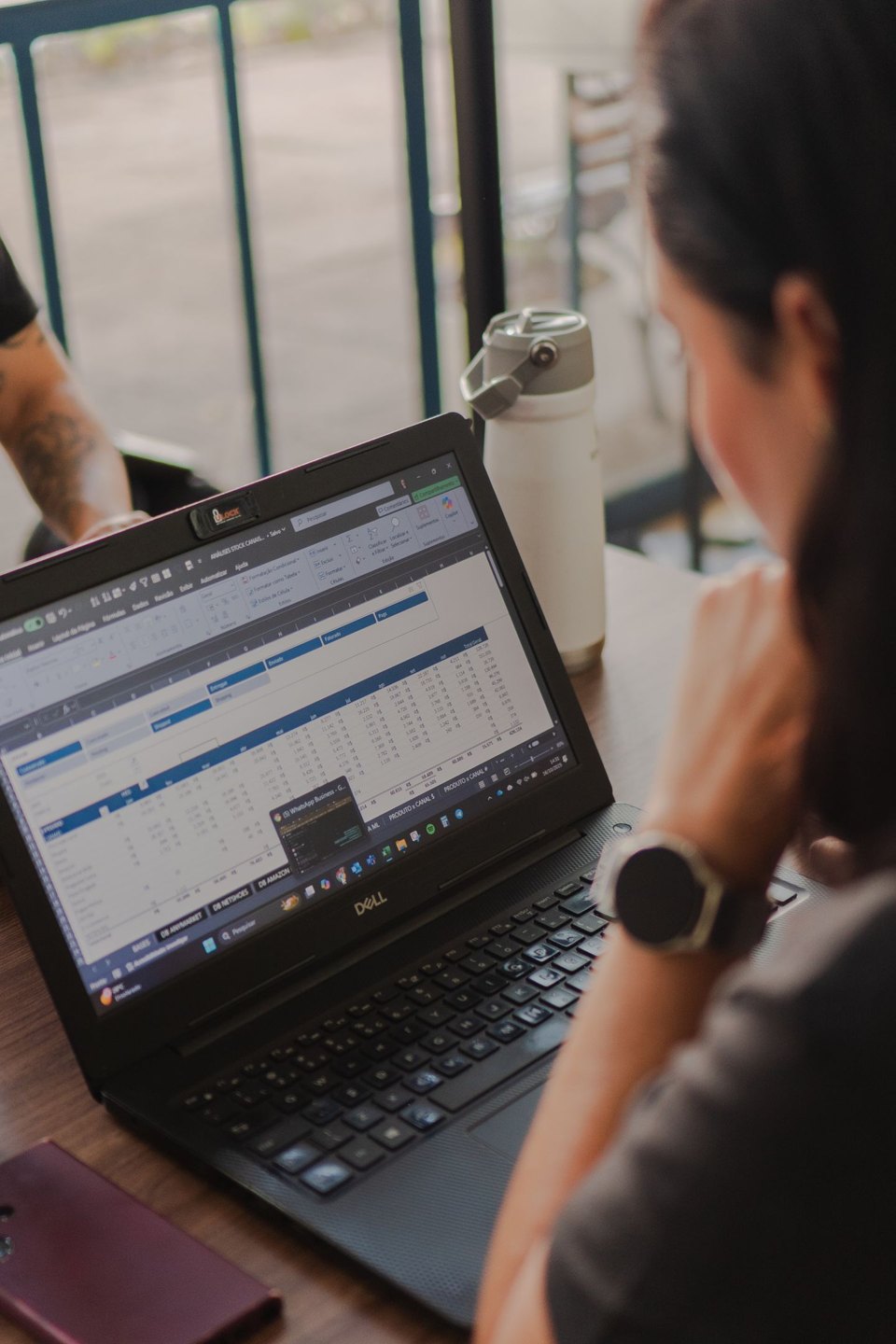
A tracker works when every row represents the same kind of thing and each column answers a question. Build the structure before adding colours or formulas.

Tools & workflow
Choose layout software by testing the book’s difficult pages and required output. A familiar interface is useful only if the production workflow also works.
Tools & workflow
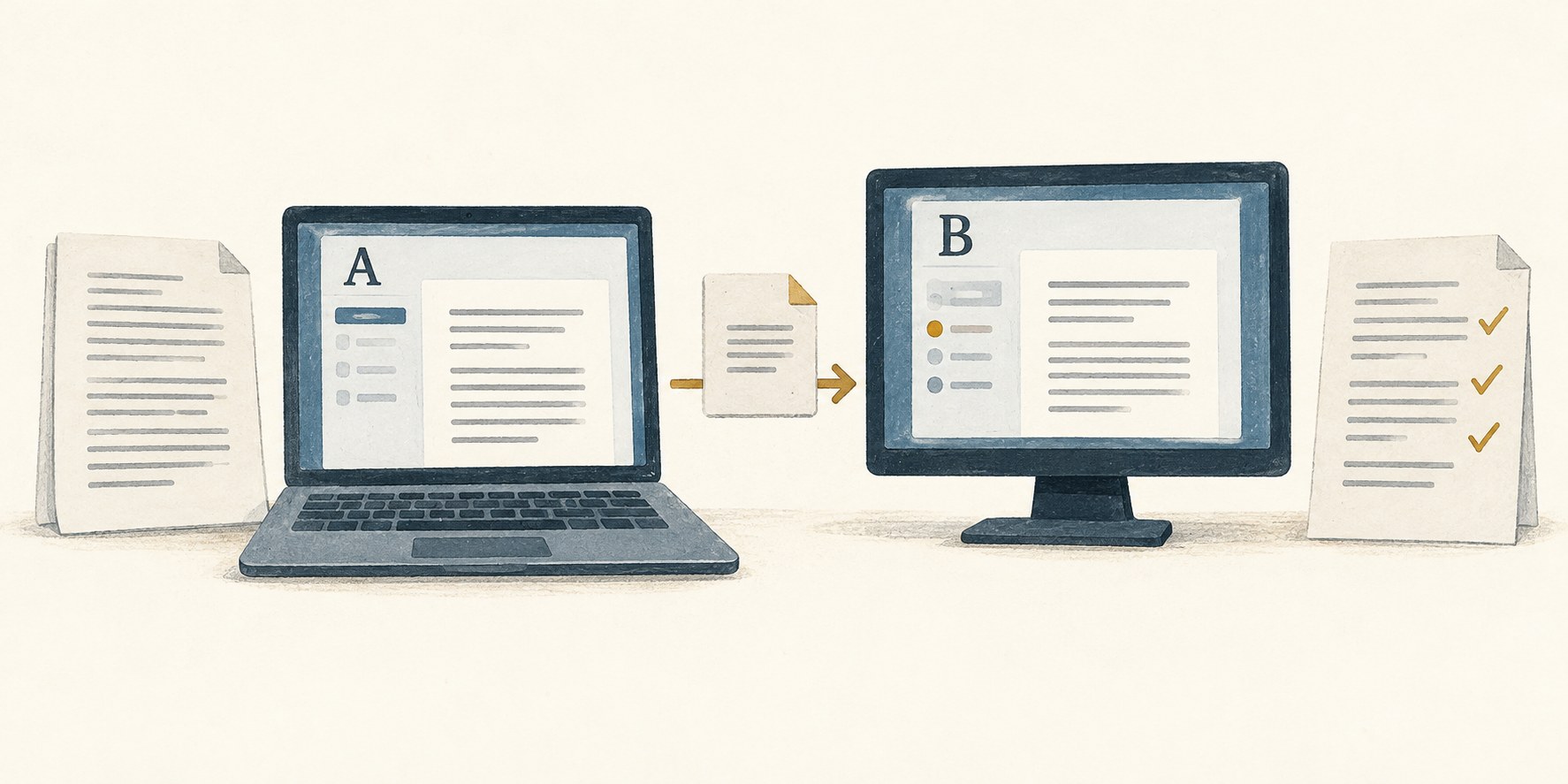
A successful import is only the beginning of a migration. Test the structures you need, keep the original intact and decide when the new copy becomes authoritative.
Tools & workflow
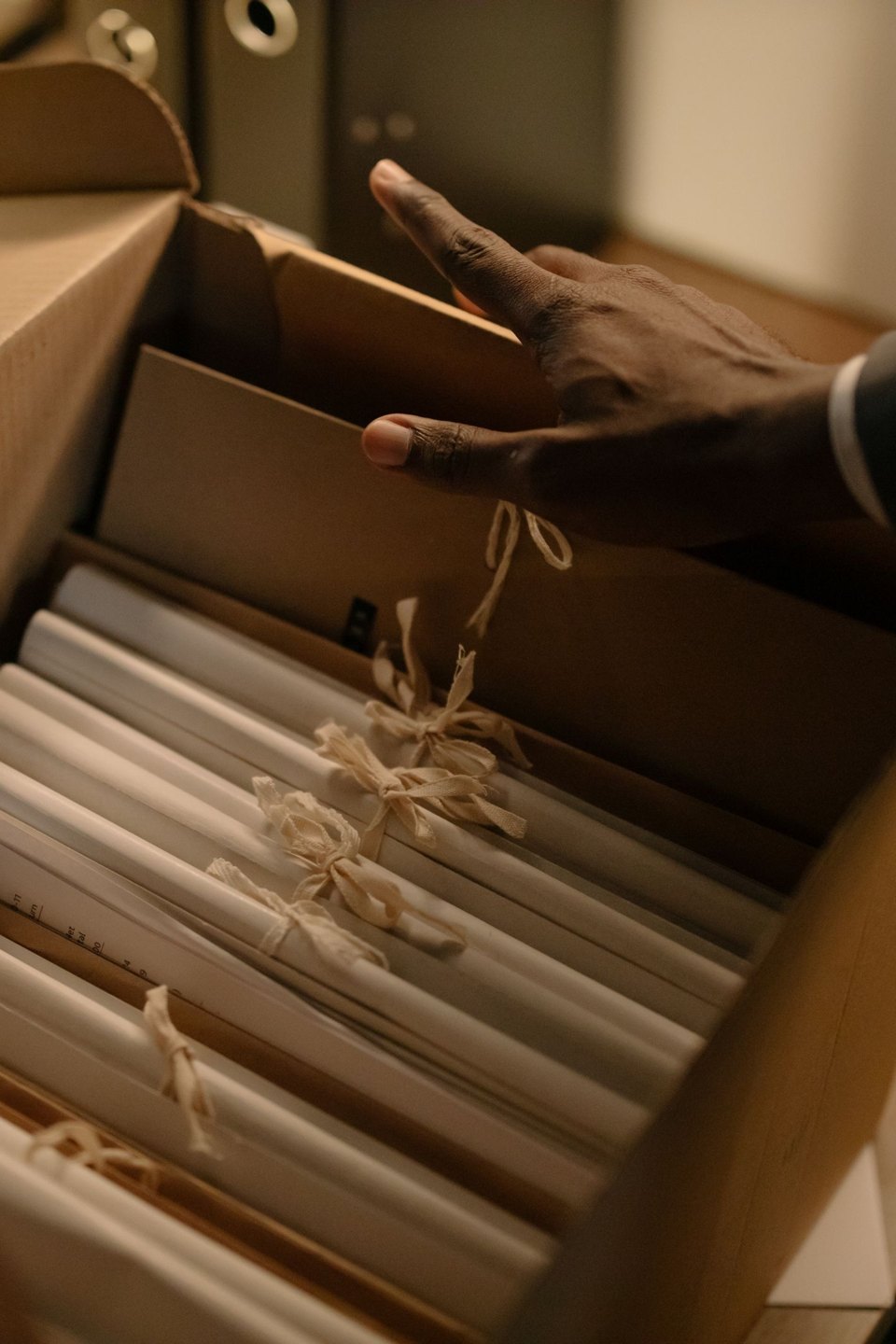
A finished project still needs a clear final record. Collect the files, decisions and dependencies that would let you make a correction or prepare another edition later.