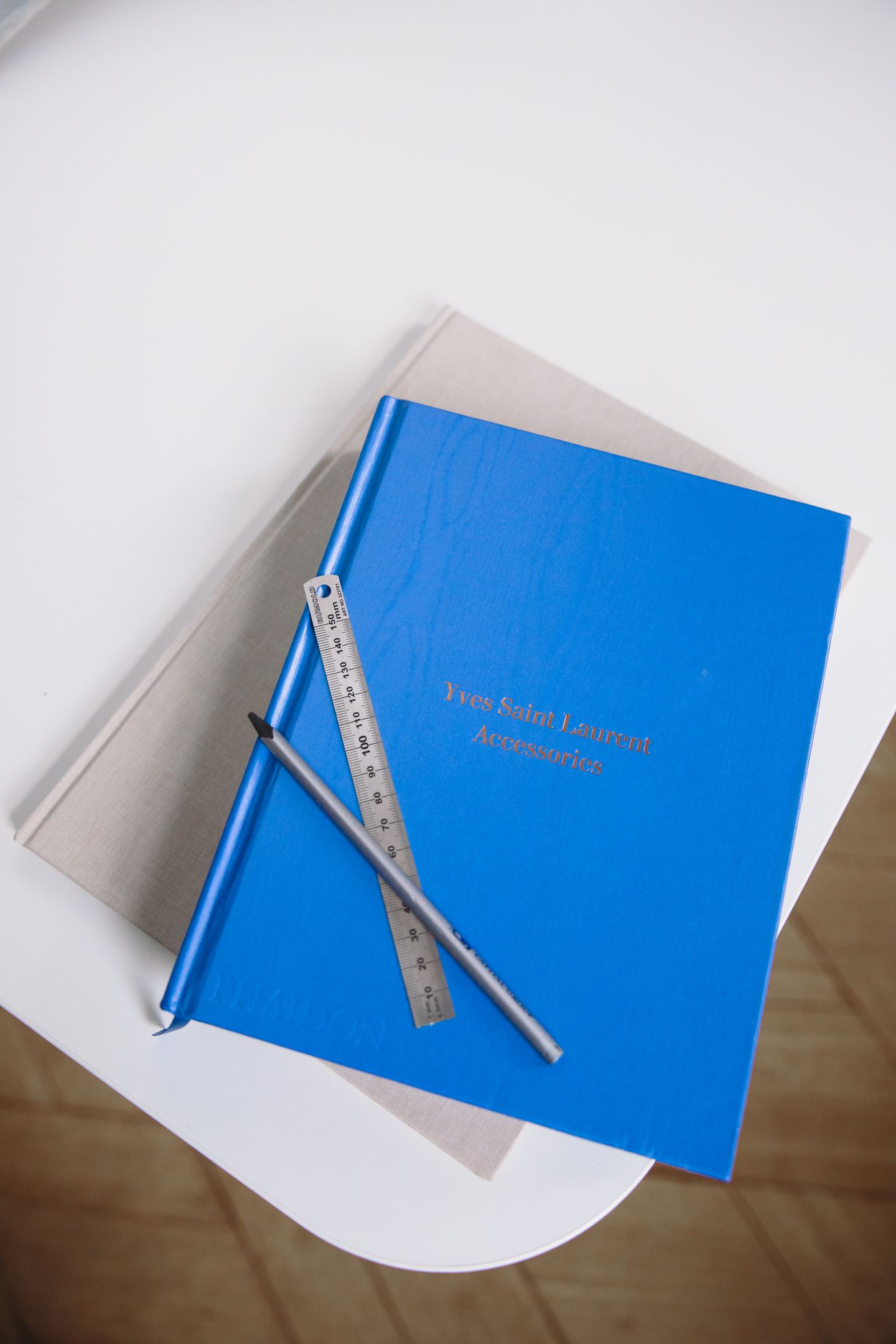
Book design
Choosing a trim size before laying out a book
Trim size affects the page, the reader’s experience and the production file. Choose it with the book’s content and printing route in view.
The subject index / 26 articles
Work through type, pages, covers and the different demands of printed books and ebooks.
Book design
Trim size affects the page, the reader’s experience and the production file. Choose it with the book’s content and printing route in view.

Book design
Margins shape how a book is held and read. Test the text block as a spread, allowing for the binding as well as the visible white space.

Book design
Body type has to work across many pages, not only in a specimen sentence. Compare candidates using the actual prose and the characters the book needs.
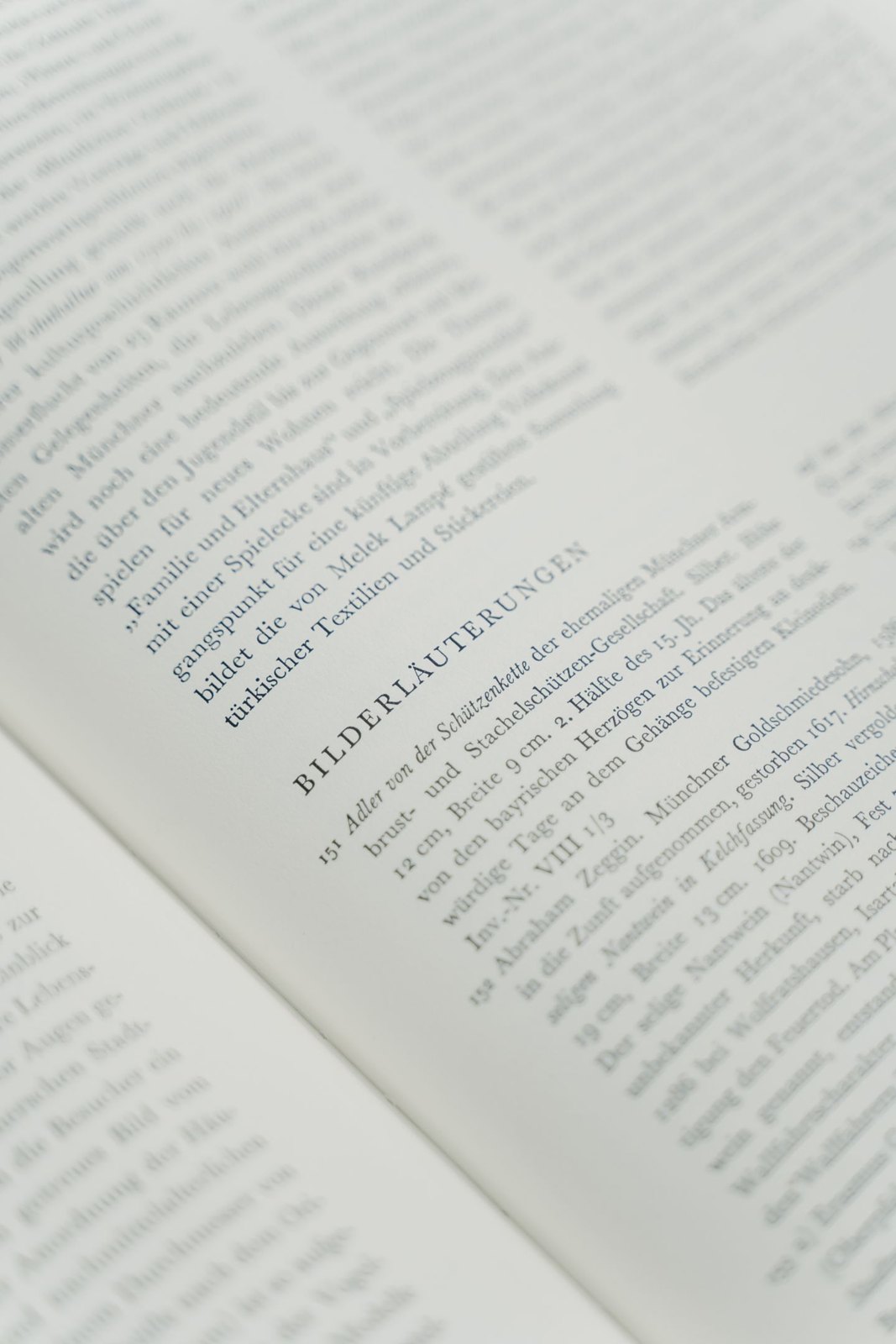
Book design
Type size, line length and line spacing work together. Change them as a system and compare printed samples before settling the reading page.
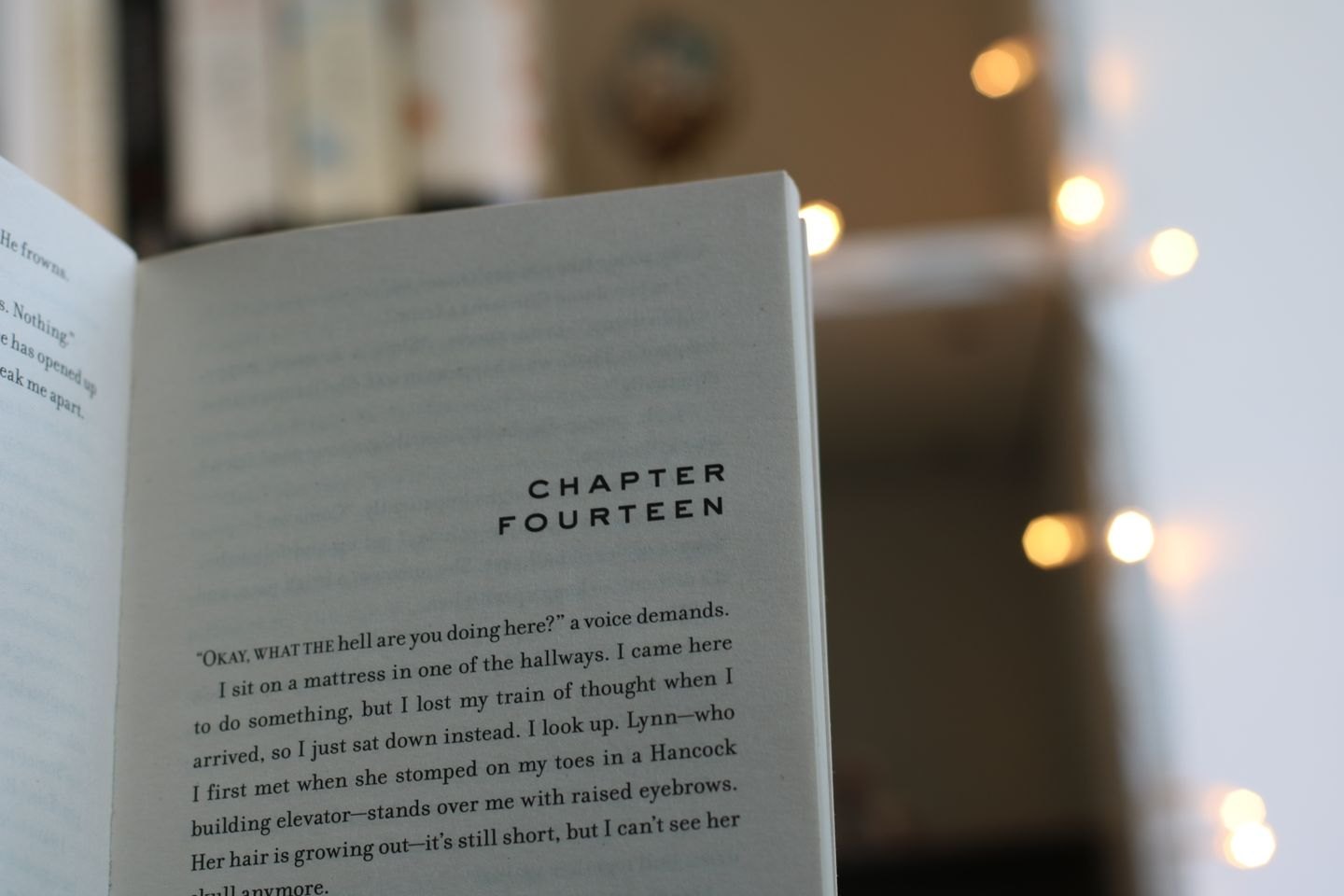
Book design
A chapter opening should make the transition clear and belong to the rest of the book. Build it around the actual heading material, including the awkward cases.
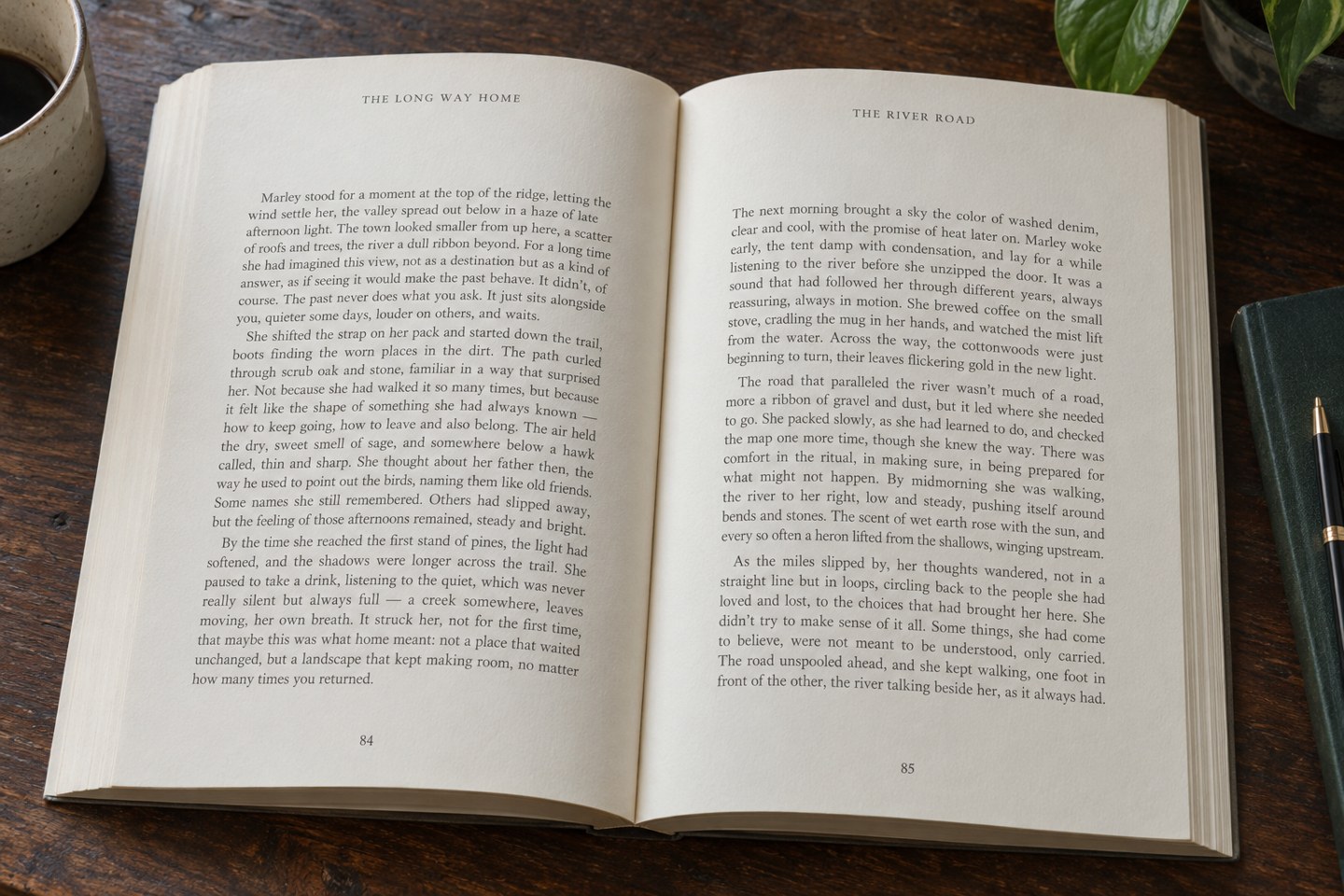
Book design
Running heads should give useful orientation while remaining visually subordinate to the text.
Book design
Plan the numbering sequence before layout, then distinguish counted pages from pages that display a number.

Book design
Front matter should identify the book and prepare the reader without postponing the text unnecessarily.

Book design
The material after the main text should support further reading, verification or use of the book.
Book design
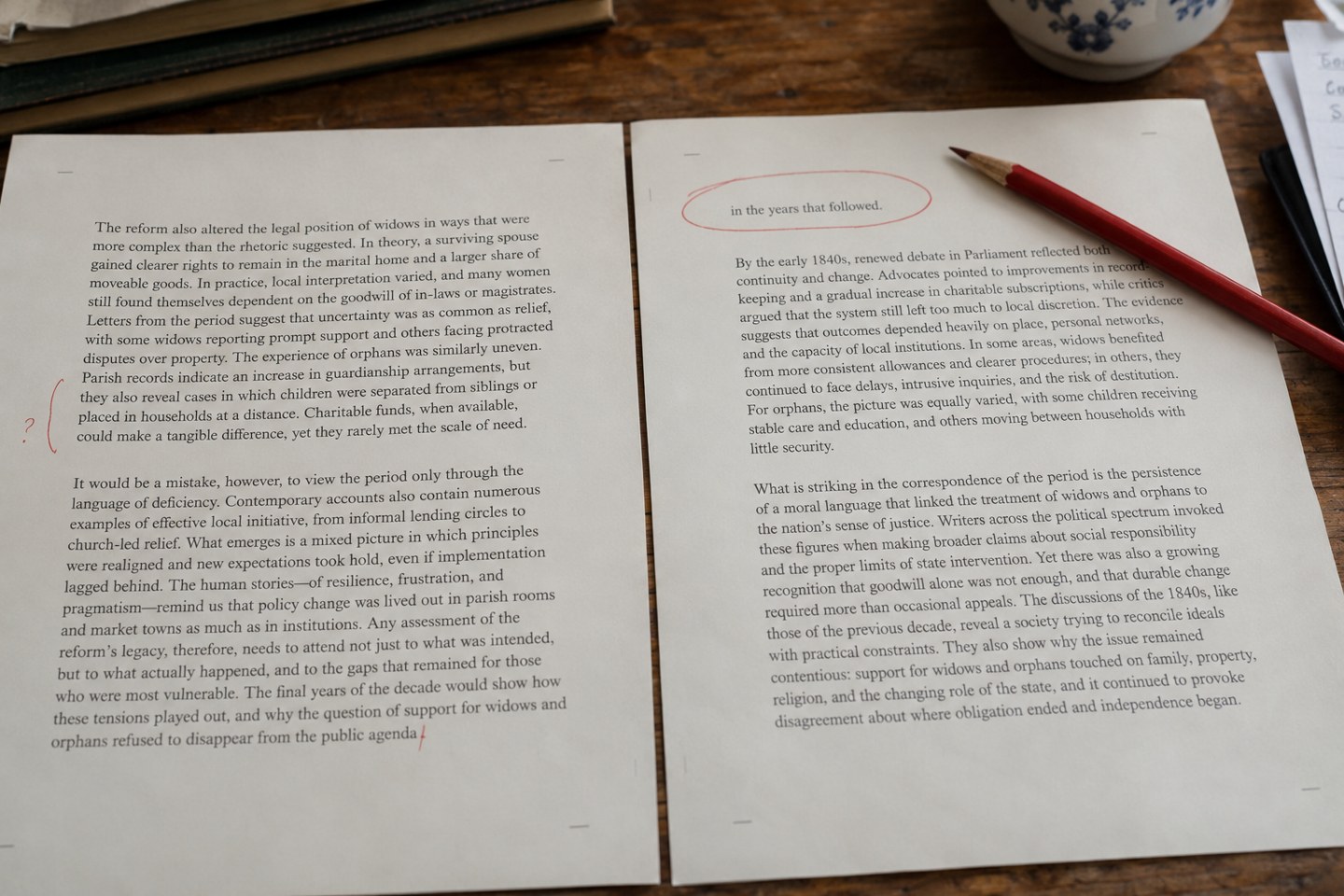
An isolated line can interrupt the page, but forcing it elsewhere may create a worse problem. Review the paragraph and its neighbours before choosing a fix.
Book design
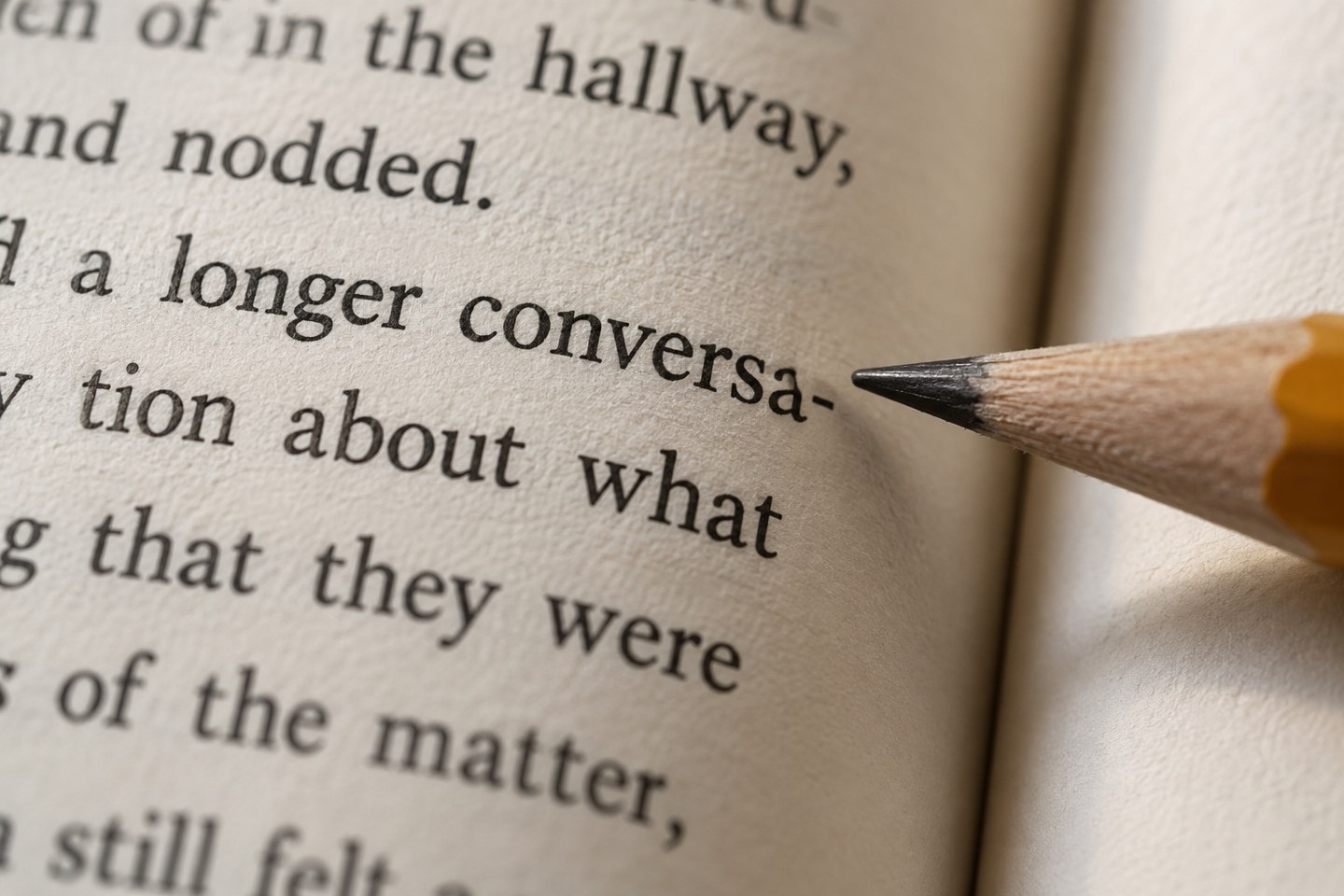
Line-end hyphens affect both spacing and reading. Check them in context, especially after the final text changes have moved lines around.
Book design
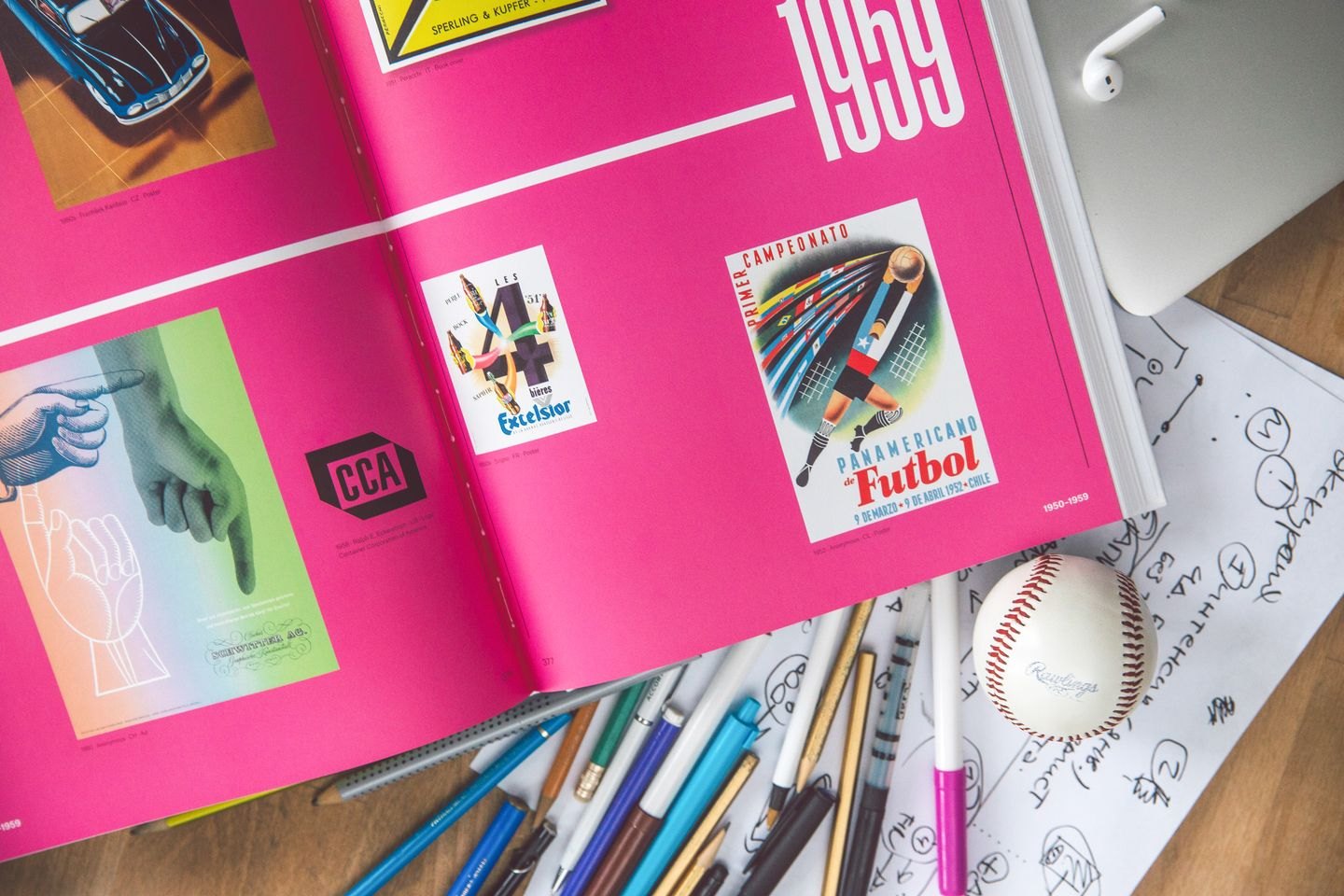
A cover brief gives a designer something more useful than a preferred colour. Explain the book, its readers and the decisions the cover has to support.
Book design
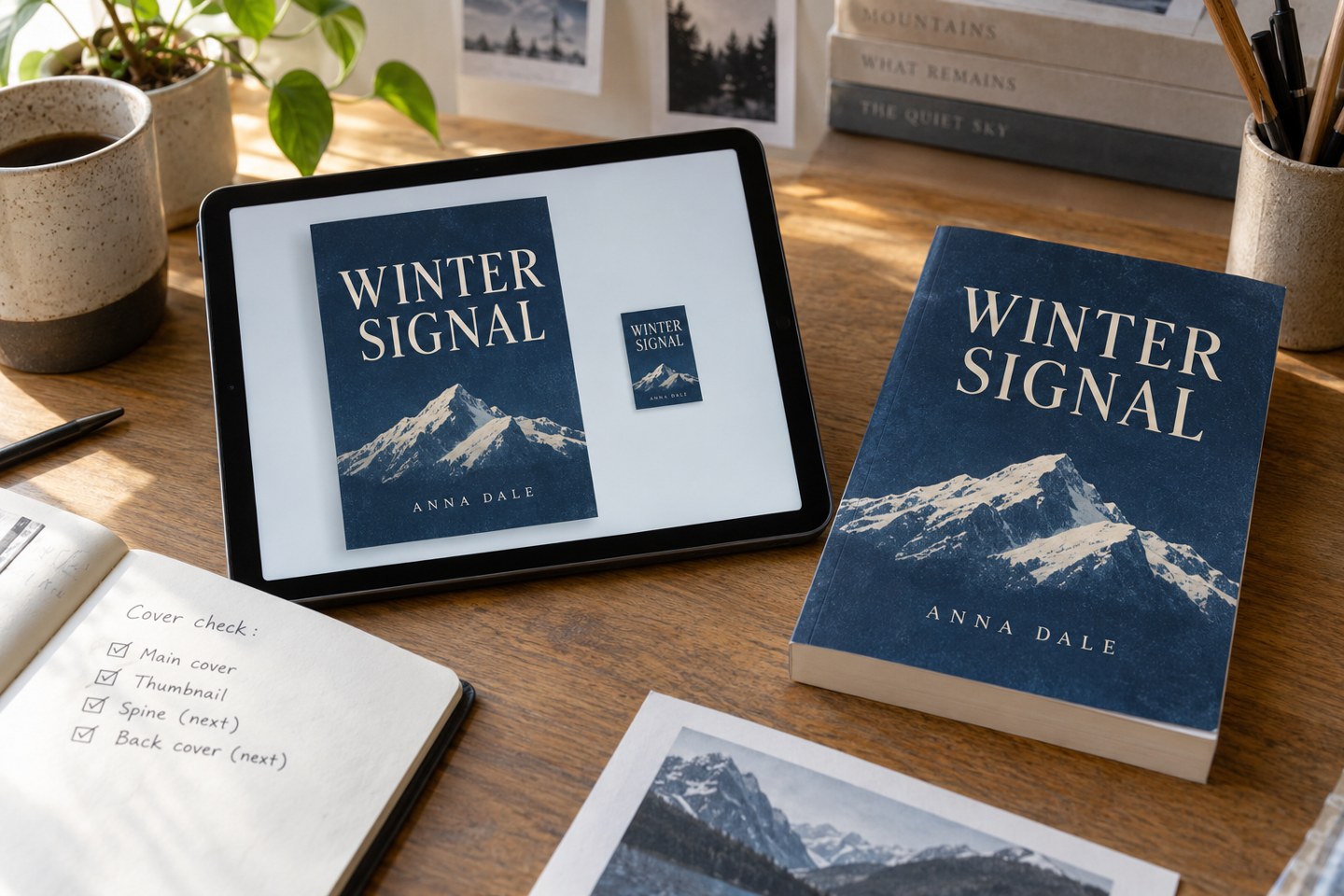
A cover can look clear at full size and lose its hierarchy in a small listing. Test what remains visible in the places readers will actually see it.
Book design
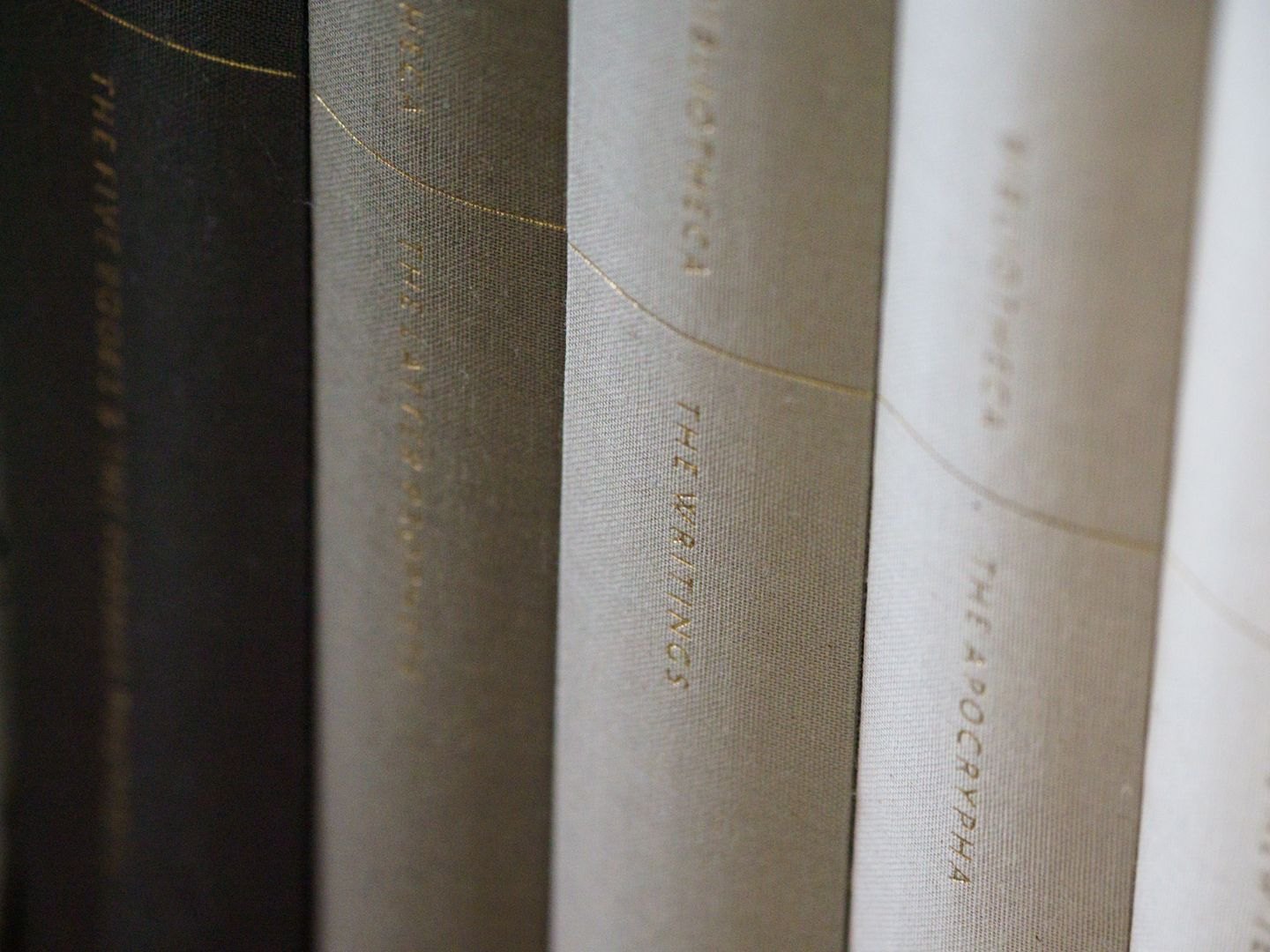
Spine width depends on the finished physical book. A provisional page count is useful for planning, but the final cover must use the printer’s actual specification.
Book design
The back cover has several jobs competing for limited space. Decide what belongs there before the description, barcode and other elements become a squeeze.
Book design
Related covers need enough consistency to belong together and enough difference to identify each volume. Define both before designing the next book.
Book design
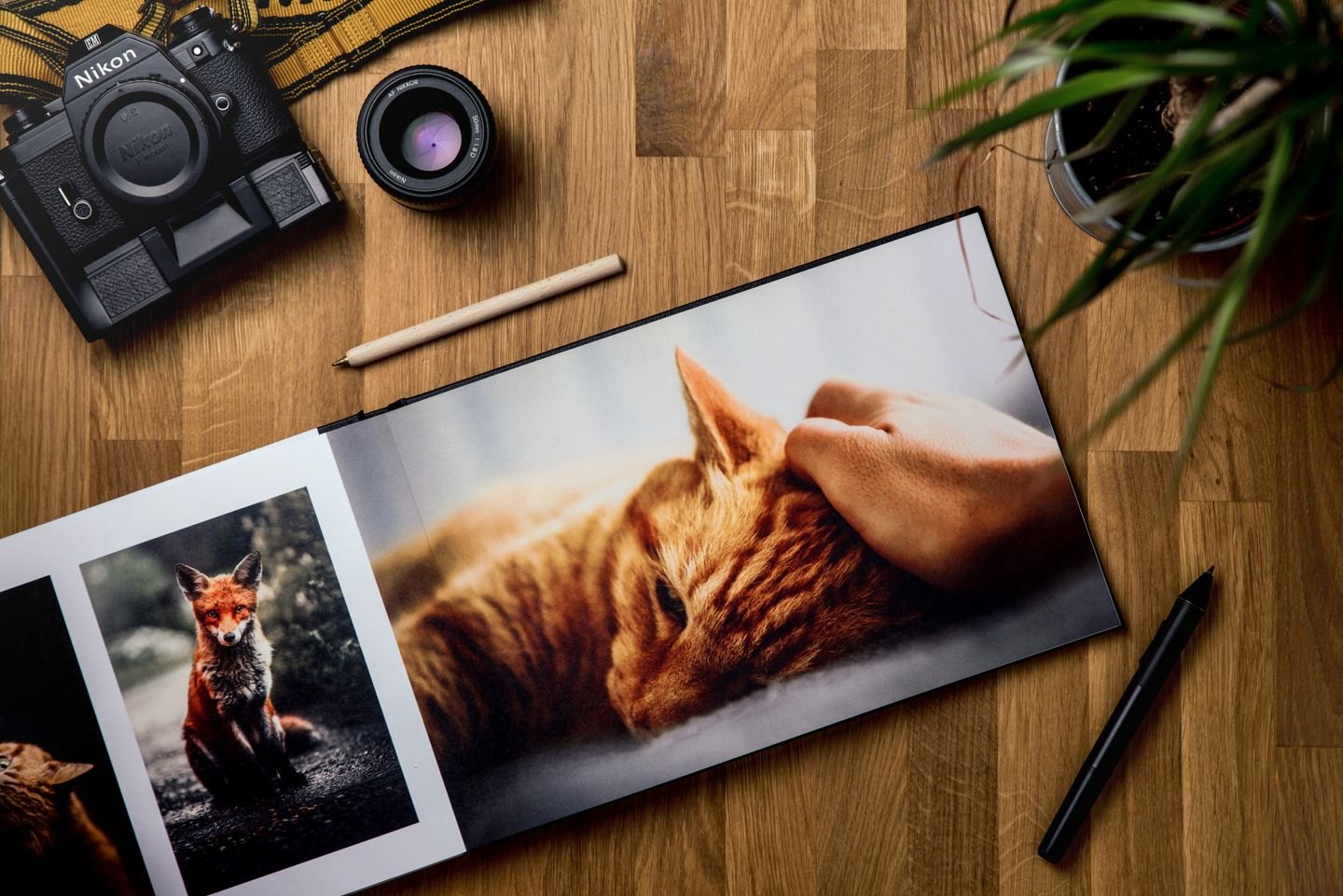
Judge the pixels, the crop and the printed result together before an image reaches the press.
Book design
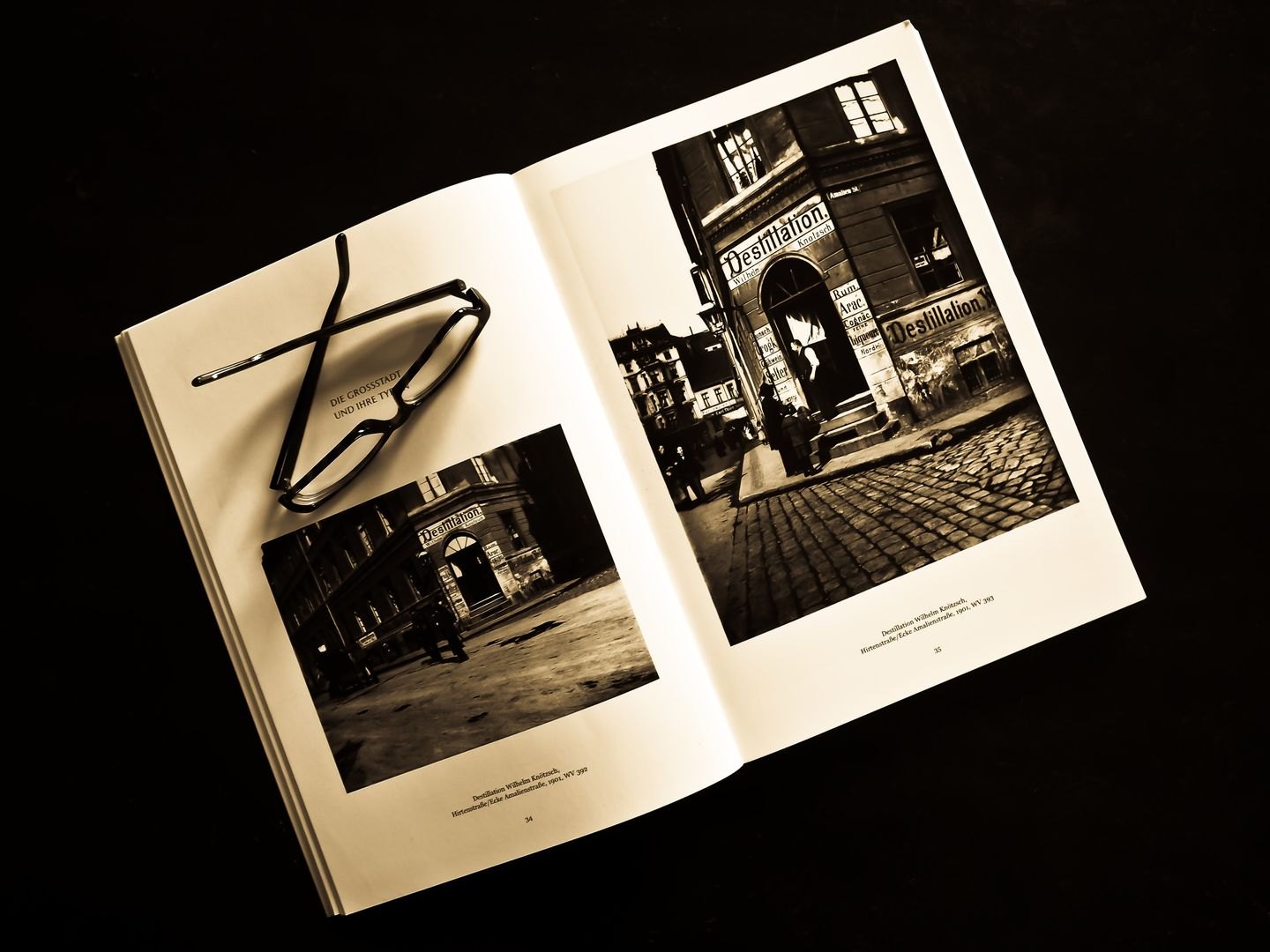
Colour differences can disappear in monochrome. Check the information as well as the appearance.
Book design
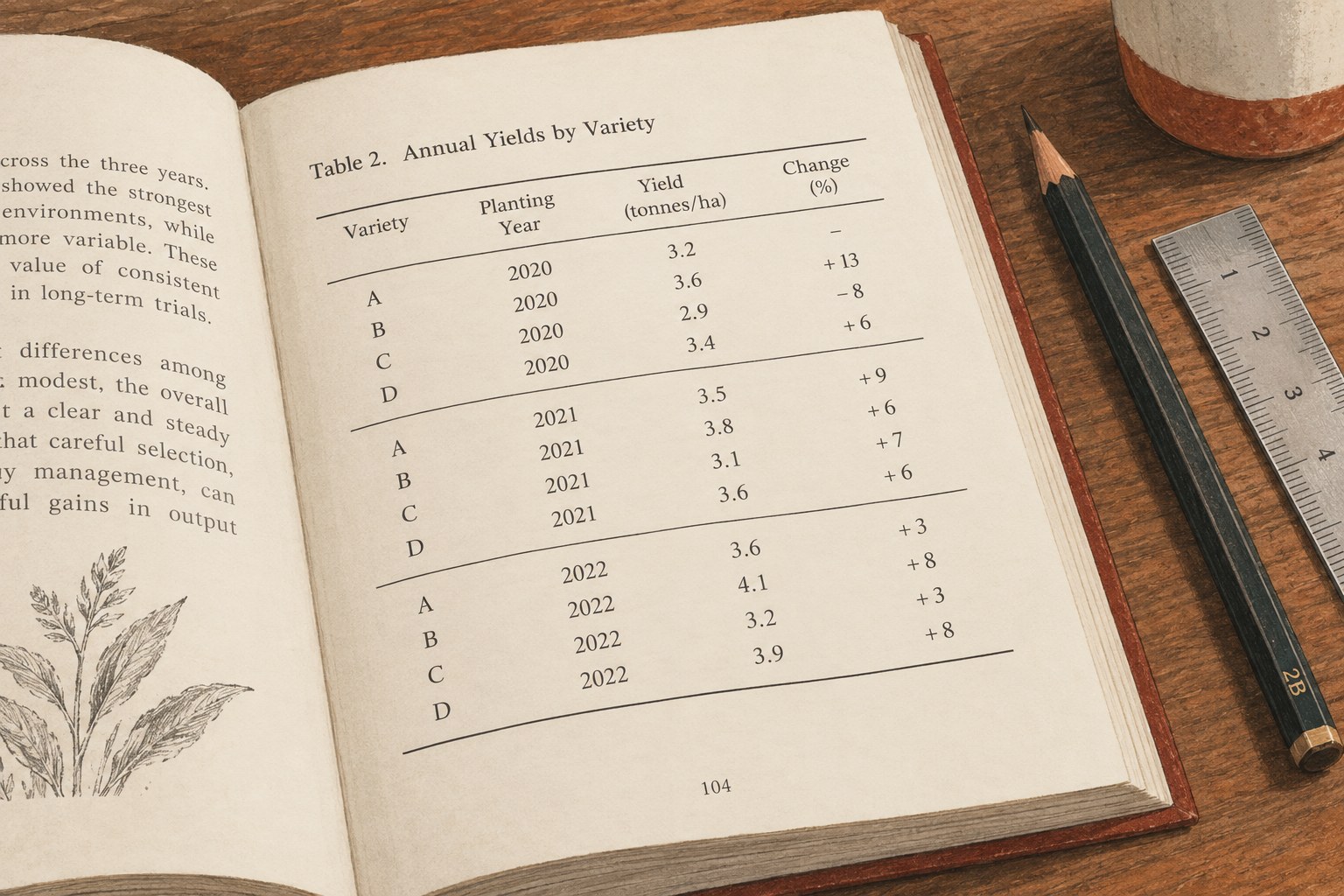
A useful table lets readers compare the right things without turning the page into a wall of rules.
Book design
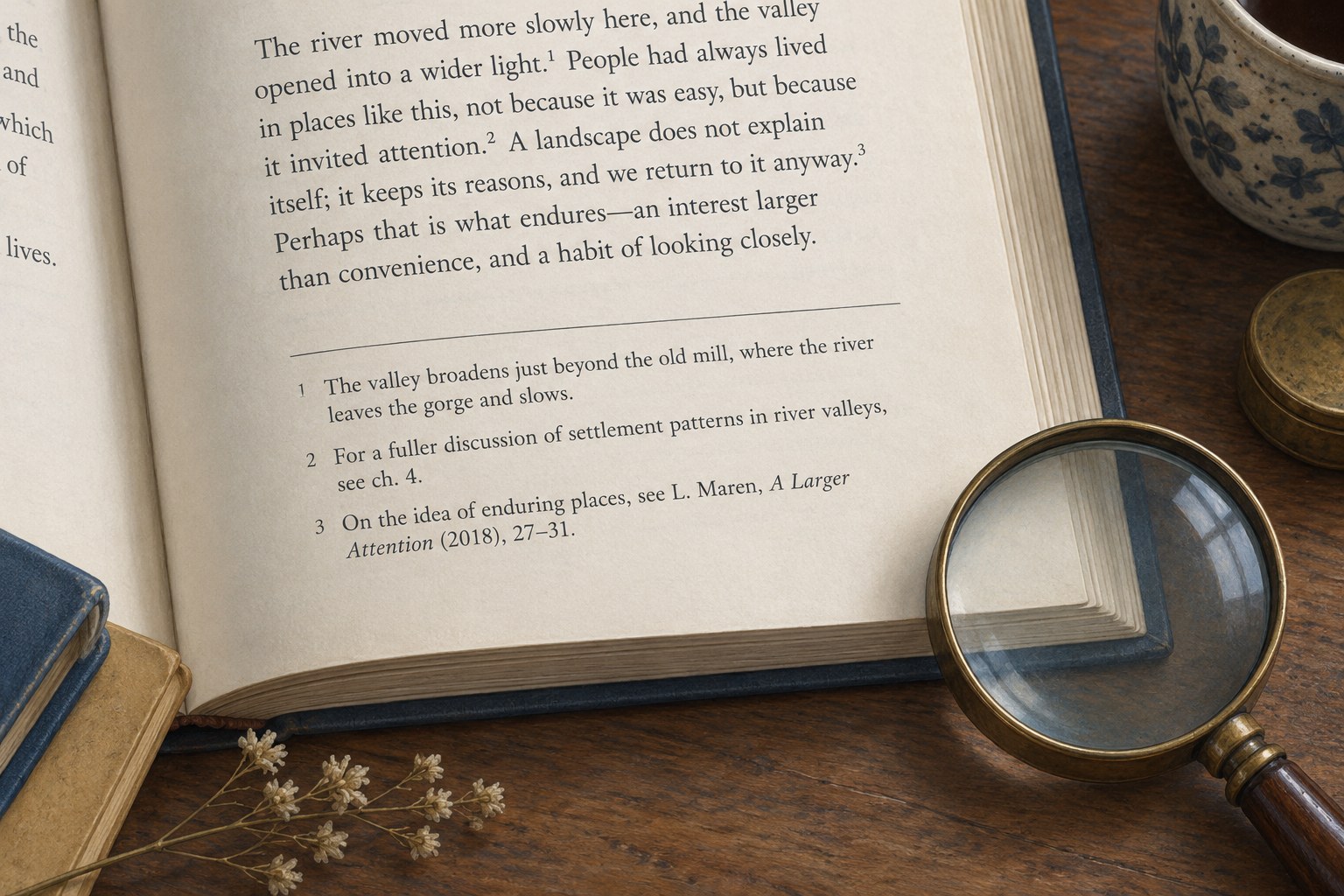
Notes need a visible relationship with the text and enough space to be read without strain.
Book design
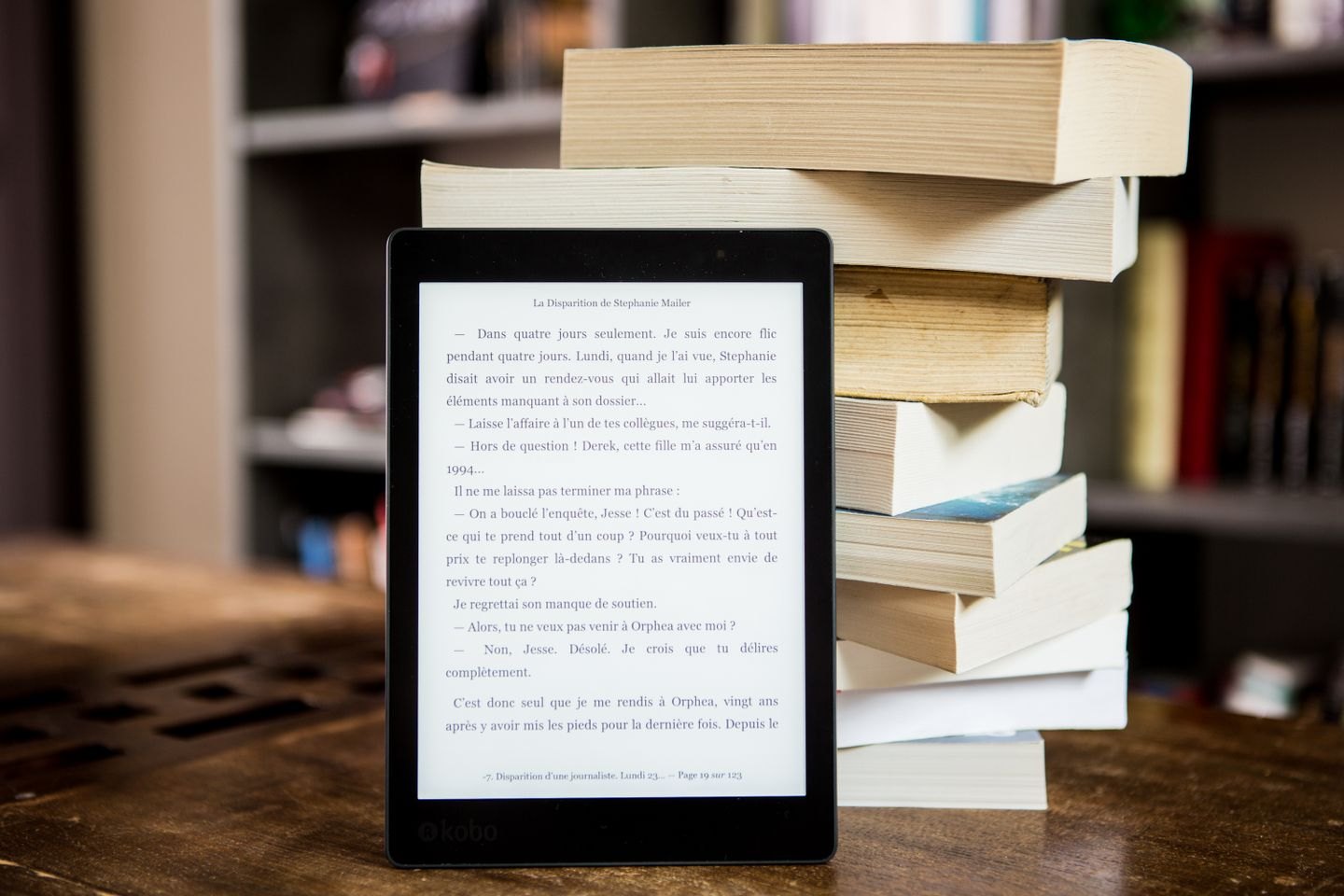
Reflowable books need a stable reading order, flexible spacing and testing at the reader’s chosen settings.
Book design
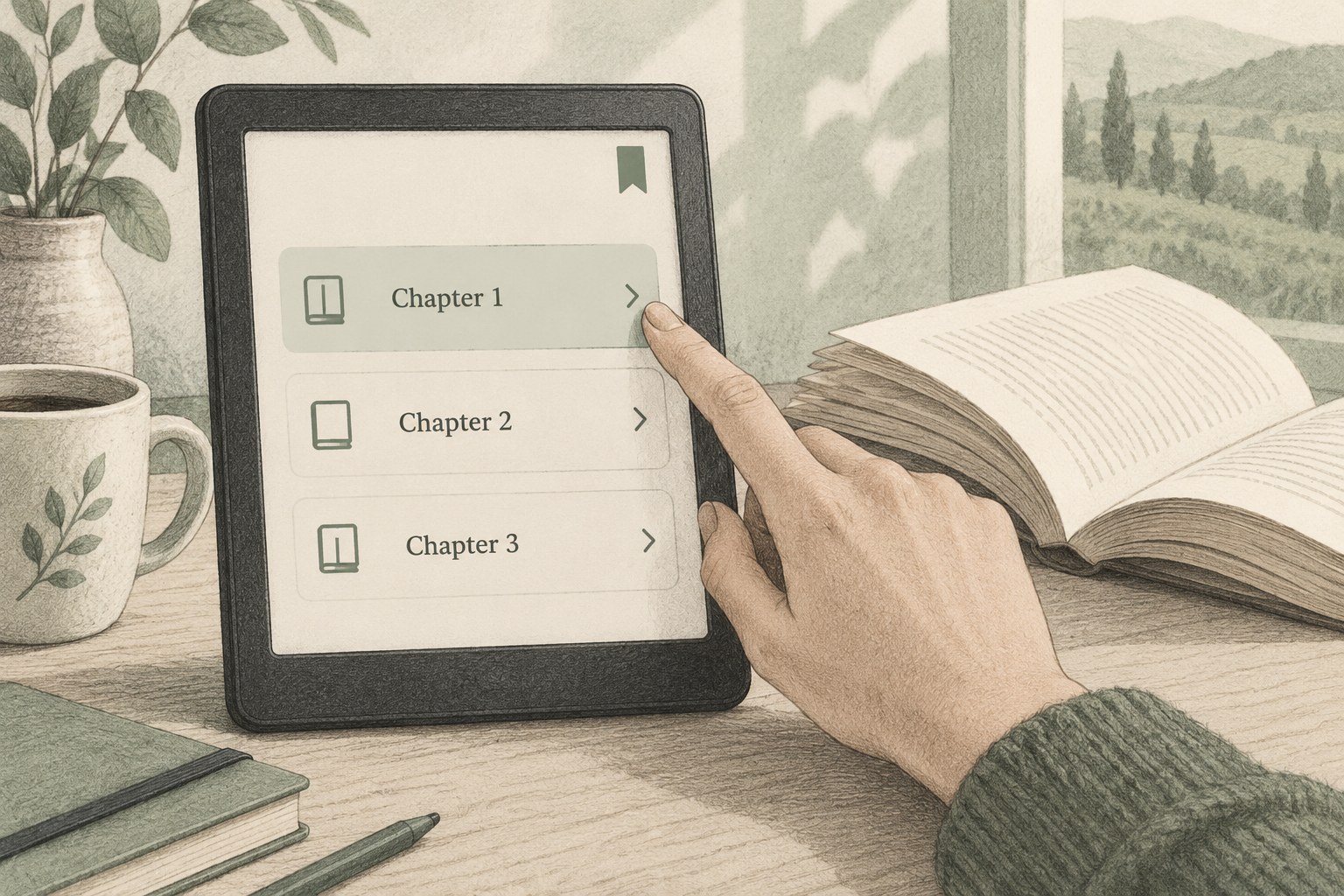
Make chapter links, note journeys and other navigation reflect the structure readers actually encounter.
Book design
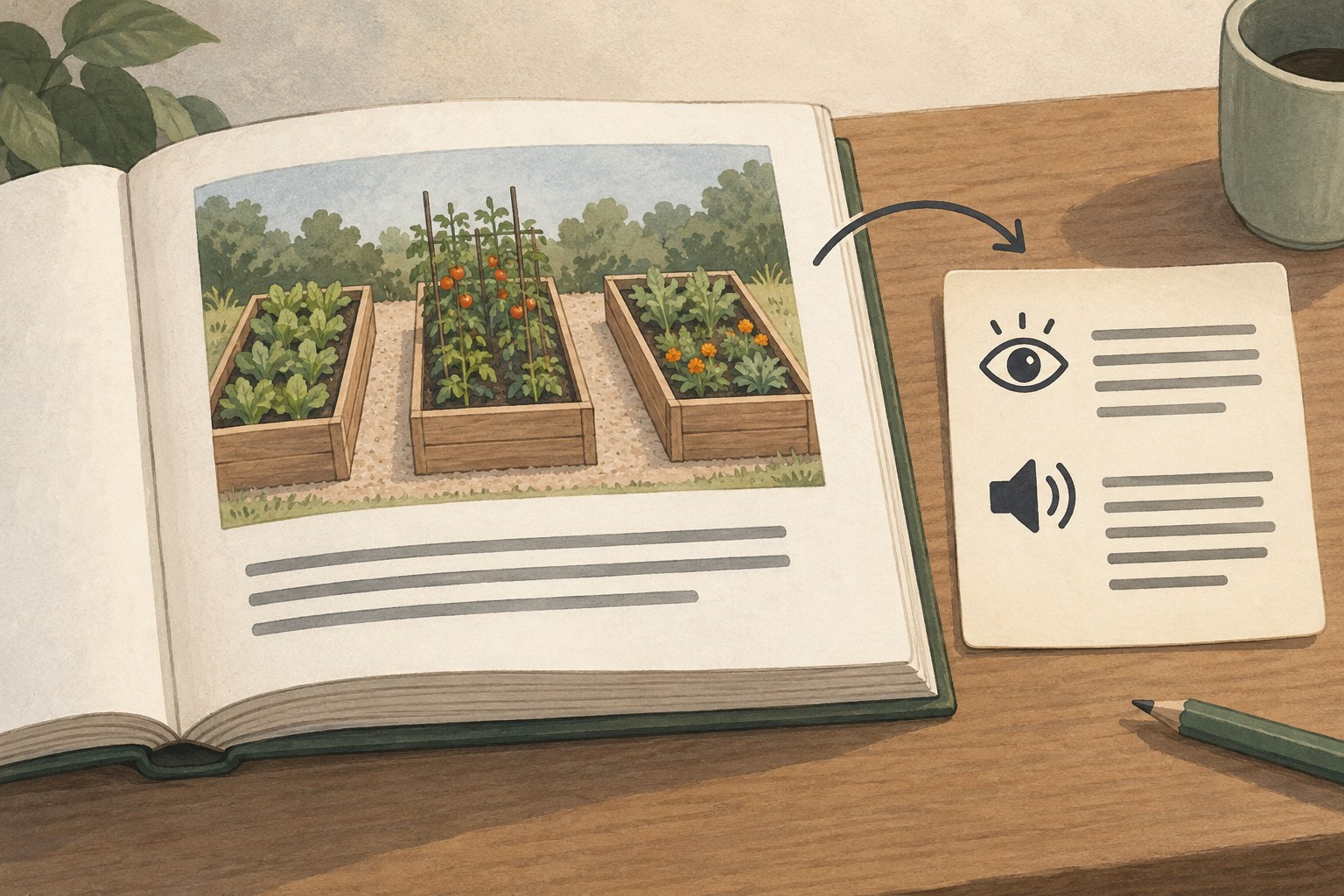
Describe the information an image contributes, with enough context to make it useful in the book.
Book design
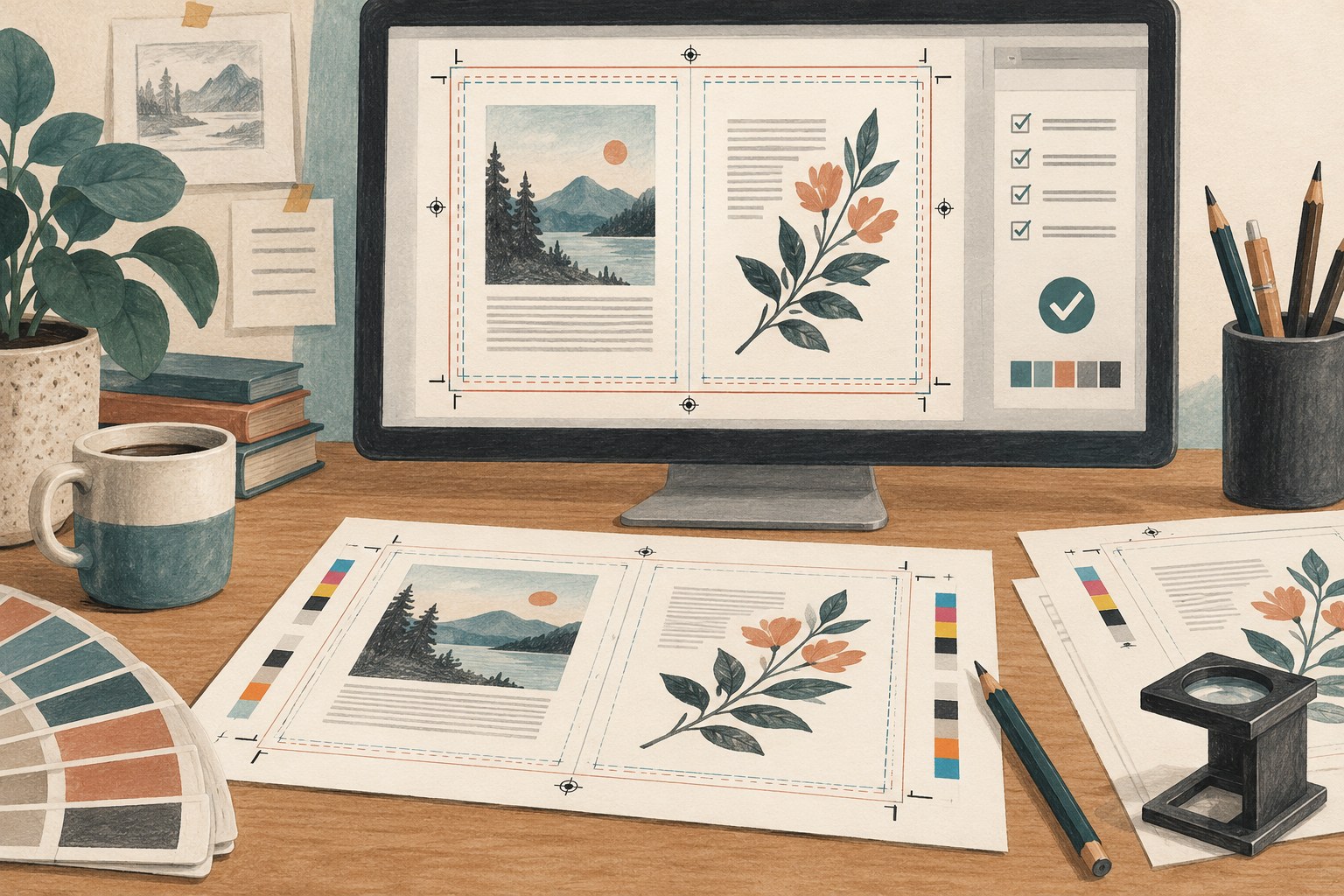
Combine technical preflight with a slow editorial check of the exact PDF that will be printed.
Book design
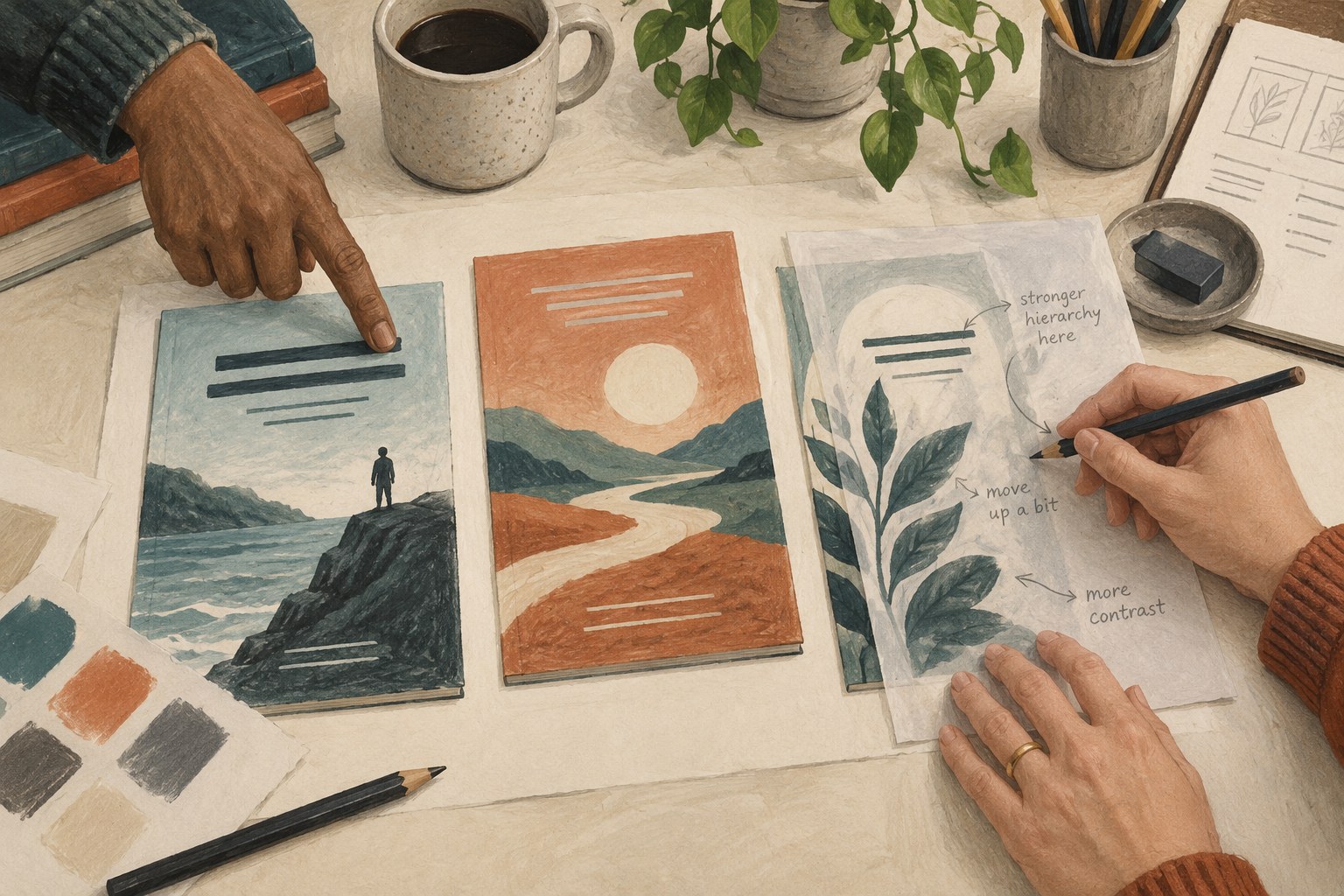
Connect each comment to a reader problem, a location and a clear priority.
Book design
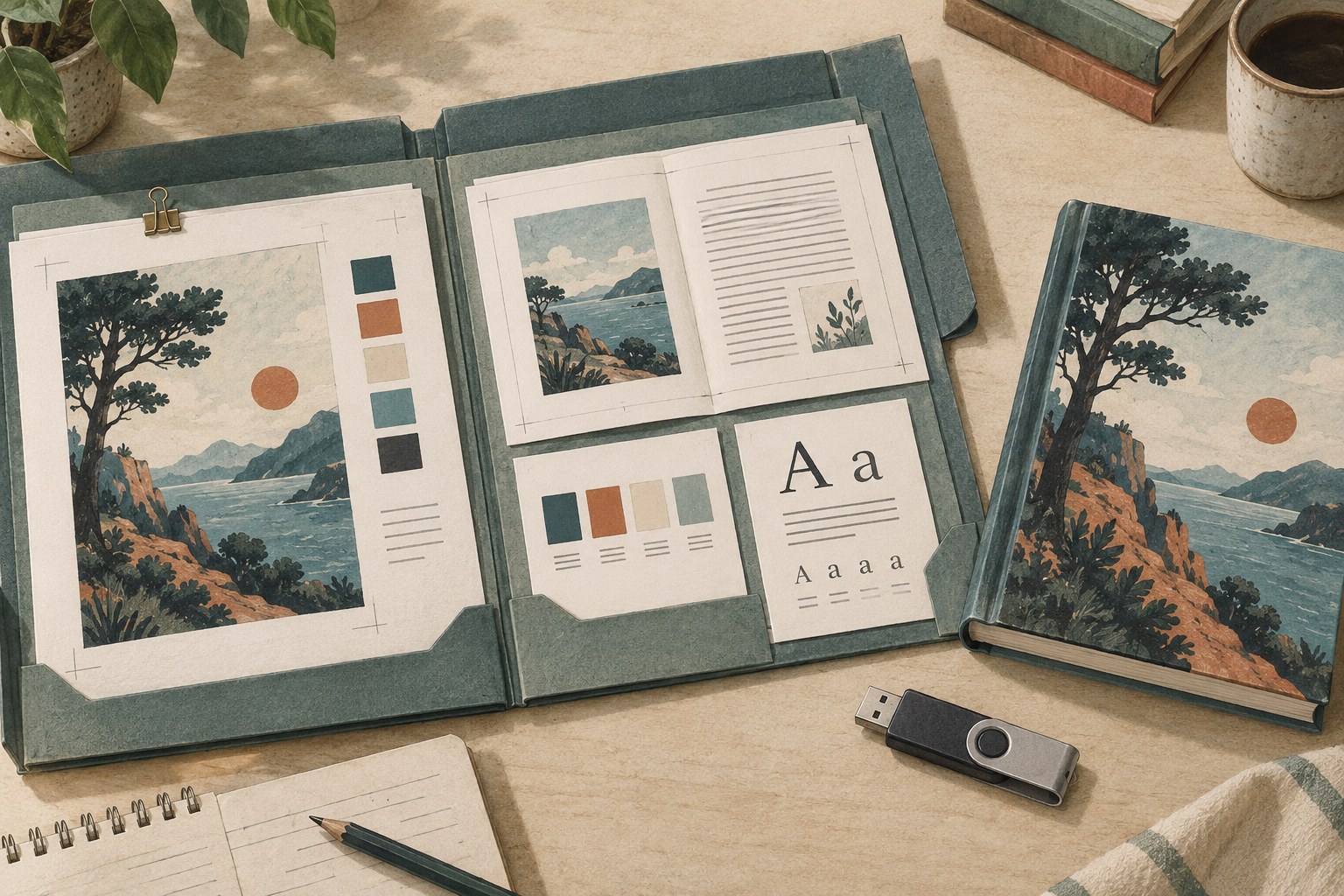
A handover should preserve the finished output and the ingredients needed to revise it.