Book design
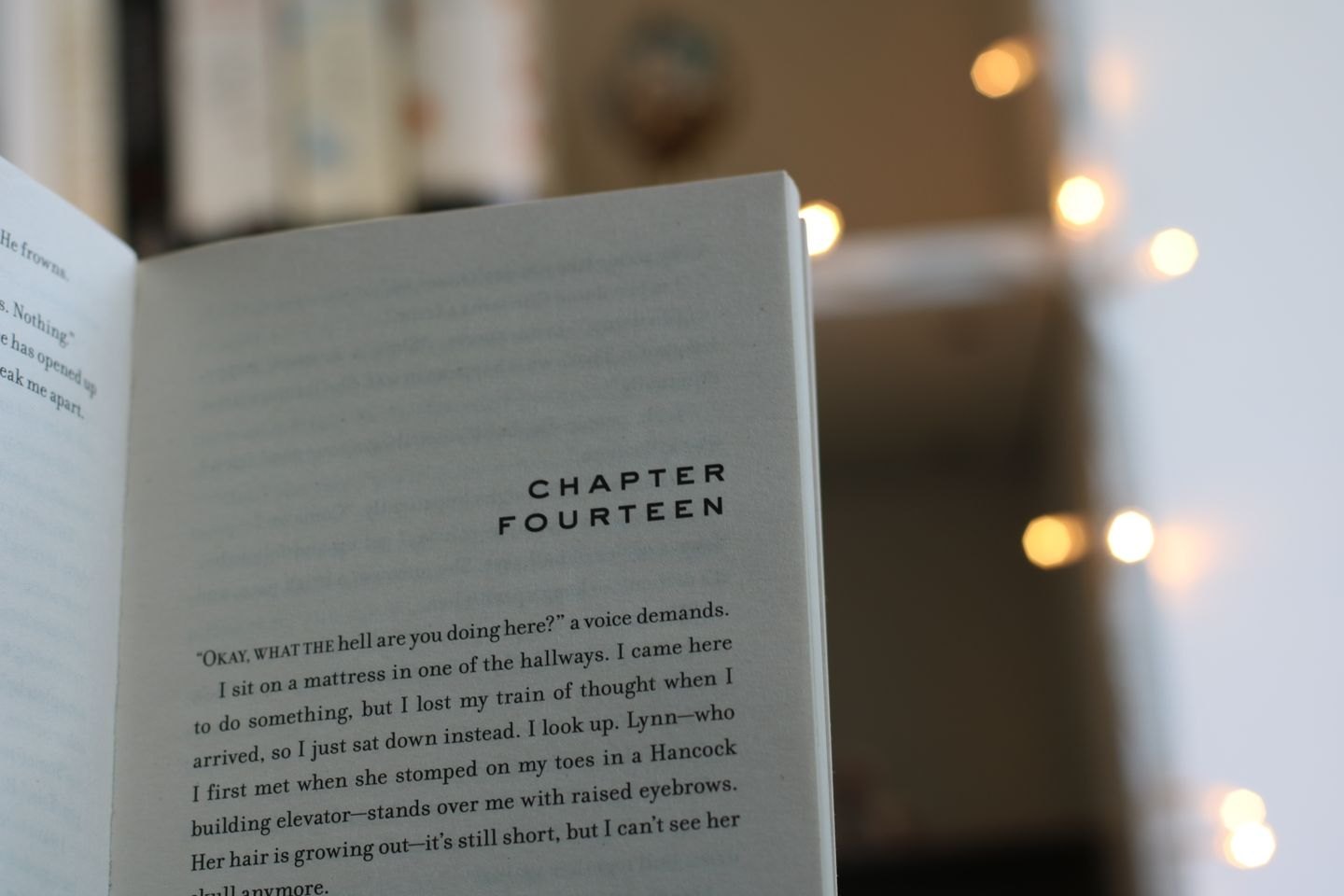
Design a chapter opener that belongs to the book
A chapter opening should make the transition clear and belong to the rest of the book. Build it around the actual heading material, including the awkward cases.
Book design
Running heads should give useful orientation while remaining visually subordinate to the text.
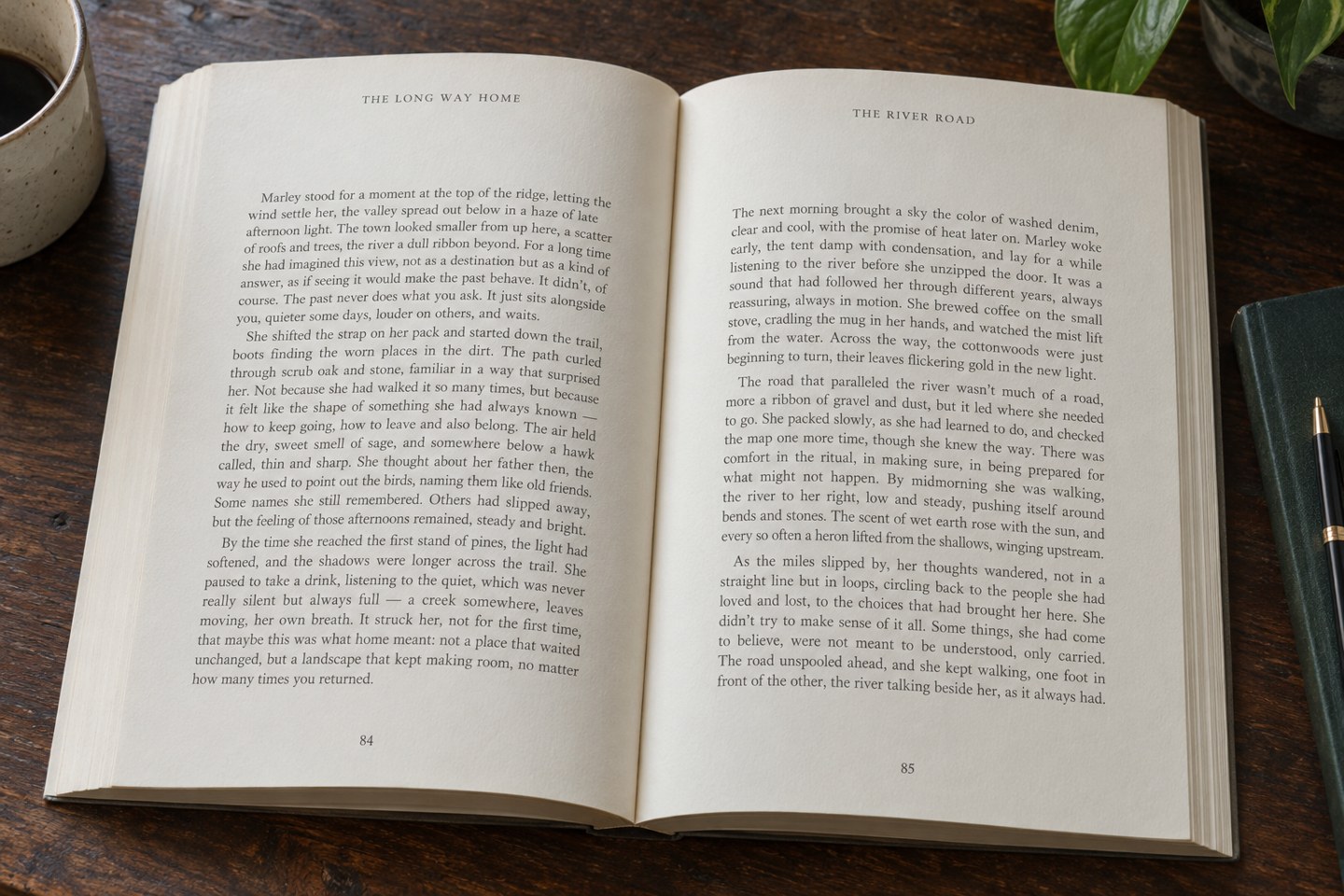
A running head is the repeated text near the top of a page. Before adding one, ask what it helps a reader find or remember. In a reference book, the current chapter or section may be useful. In a novel, a book title and author name may be conventional but provide less navigational information. Some designs work well without running heads at all.
Decide what the left and right pages will communicate. They may carry different information, such as the book title on one side and chapter title on the other. Keep the relationship consistent. A changing pattern can make a reader wonder whether a difference is meaningful or accidental.
Long chapter titles may need a carefully chosen short form. Do not let automatic truncation remove the word that distinguishes one chapter from another. Keep a record of approved shortened titles so they remain consistent with the chapter's meaning and other references.
Use the layout software's repeated-page features rather than typing each running head independently. InDesign can create running headers from styled text through variables. The exact setup depends on the document, but the principle is useful: derive repeated information from a controlled source wherever possible.
Decide which pages should omit the head. Chapter openings, title pages, blank pages and full-page illustrations may need different treatment. Set those exceptions deliberately. A running head left above a decorative chapter opening can look like a production oversight even when every word is correct.
Inspect pages where a new chapter or section begins, especially if the change occurs partway down a page. Confirm which title the variable selects and whether that choice helps the reader. Test the longest heading as well as a typical one.
Finally, look at a printed spread at its intended size. The running head should be readable without competing with the main text or crowding the top margin. Check its distance from the body, alignment and relationship to the page number. Then verify the wording across the whole book after structural or heading changes, when an otherwise reliable automatic system may reflect an unintended source.
Book design
A chapter opening should make the transition clear and belong to the rest of the book. Build it around the actual heading material, including the awkward cases.
Book design
Plan the numbering sequence before layout, then distinguish counted pages from pages that display a number.