
Writing
Turning an idea into a book-length project
A promising idea is a starting point. Before committing to a whole book, find the question, movement or experience that can hold it together.
The subject index / 38 articles
Find the shape of an idea, build scenes and arguments, and carry a draft through to its last page.
Writing
A promising idea is a starting point. Before committing to a whole book, find the question, movement or experience that can hold it together.
Writing
A modest situation can carry a story when a person has to choose what to do about it.

Writing
A central question helps you decide what evidence belongs, what a chapter must establish and where the book should stop.
Writing
A scene earns its space through the difference between how it begins and how it leaves the story.
Writing
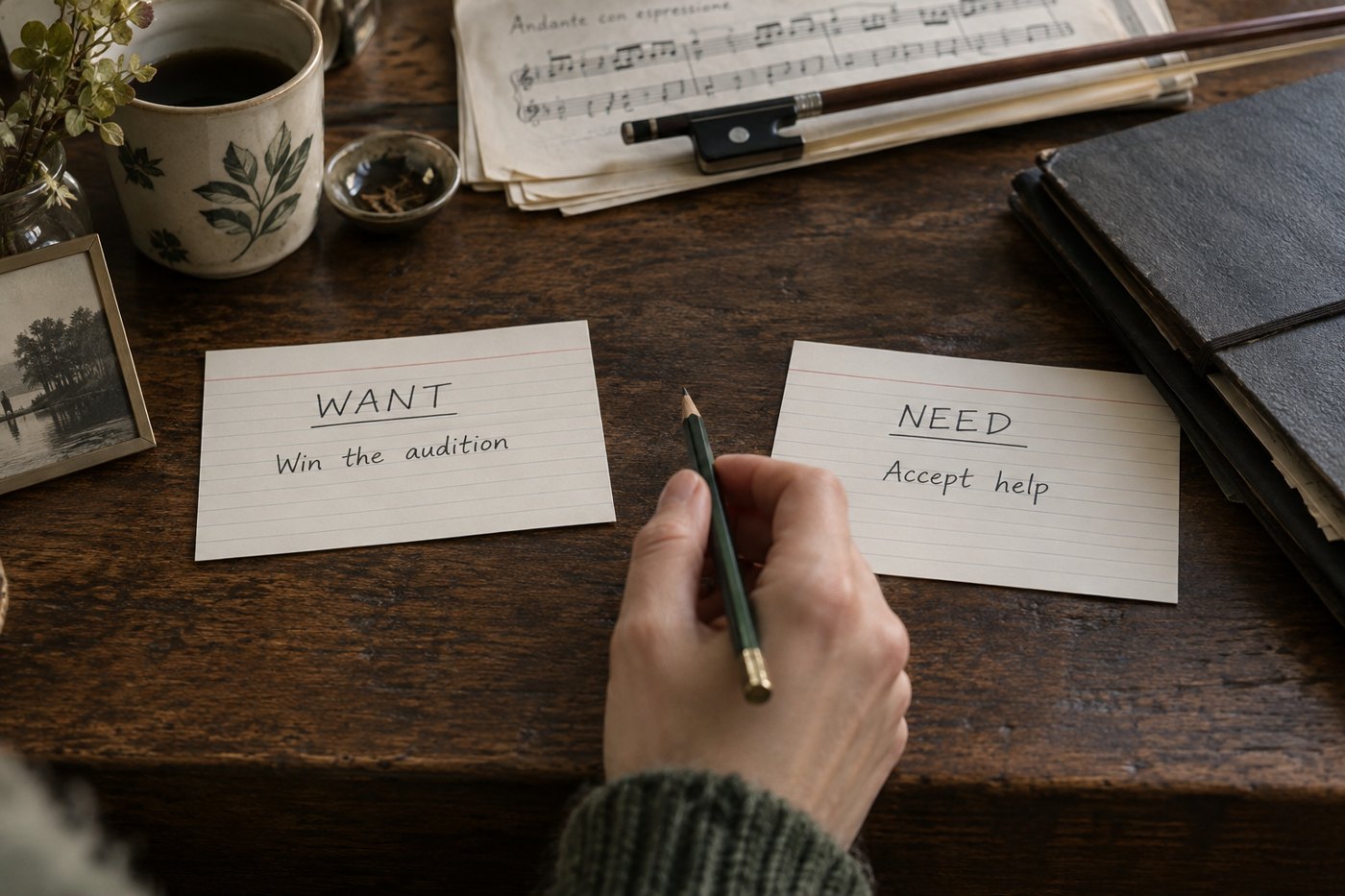
A character can pursue a clear objective while misunderstanding the change that would make their life different.

Writing
Choose a viewpoint for what it lets the reader experience, including the information it keeps beyond reach.
Writing
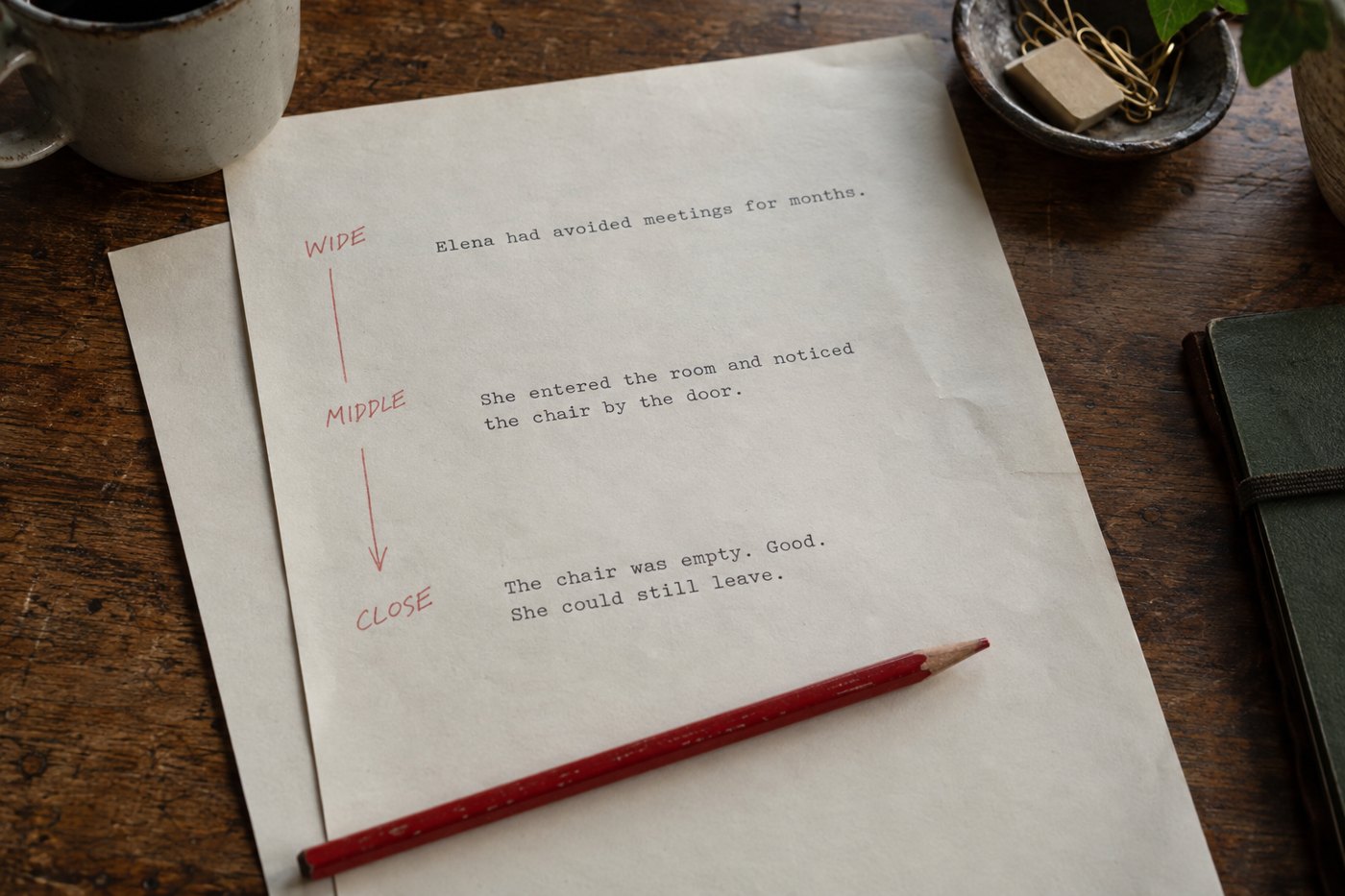
Narrative distance changes the reader’s closeness to a character’s experience while the viewpoint can remain the same.

Writing
First person gains force from a clear boundary between observation, inference and knowledge.

Writing
Dialogue becomes active when people want different things from the same conversation.
Writing
A dialogue tag identifies the speaker or controls timing; it does not need to explain every emotion.

Writing
A place becomes tangible when its surfaces, routines and restrictions affect the people moving through it.

Writing
A few selected details can orient a reader and reveal a character’s attention more effectively than a full sensory inventory.
Writing
The opening teaches readers what kind of attention the book will reward. Its promise should match the story that follows.

Writing
An ending feels earned when its final decisions grow from the pressures and possibilities the book has established.

Writing
A stalled middle often points to a missing consequence, a repeated obstacle or a goal that no longer asks enough of the character.
Writing
A chapter ending controls a pause. Choose the pause for the question or consequence you want readers to carry forward.
Writing
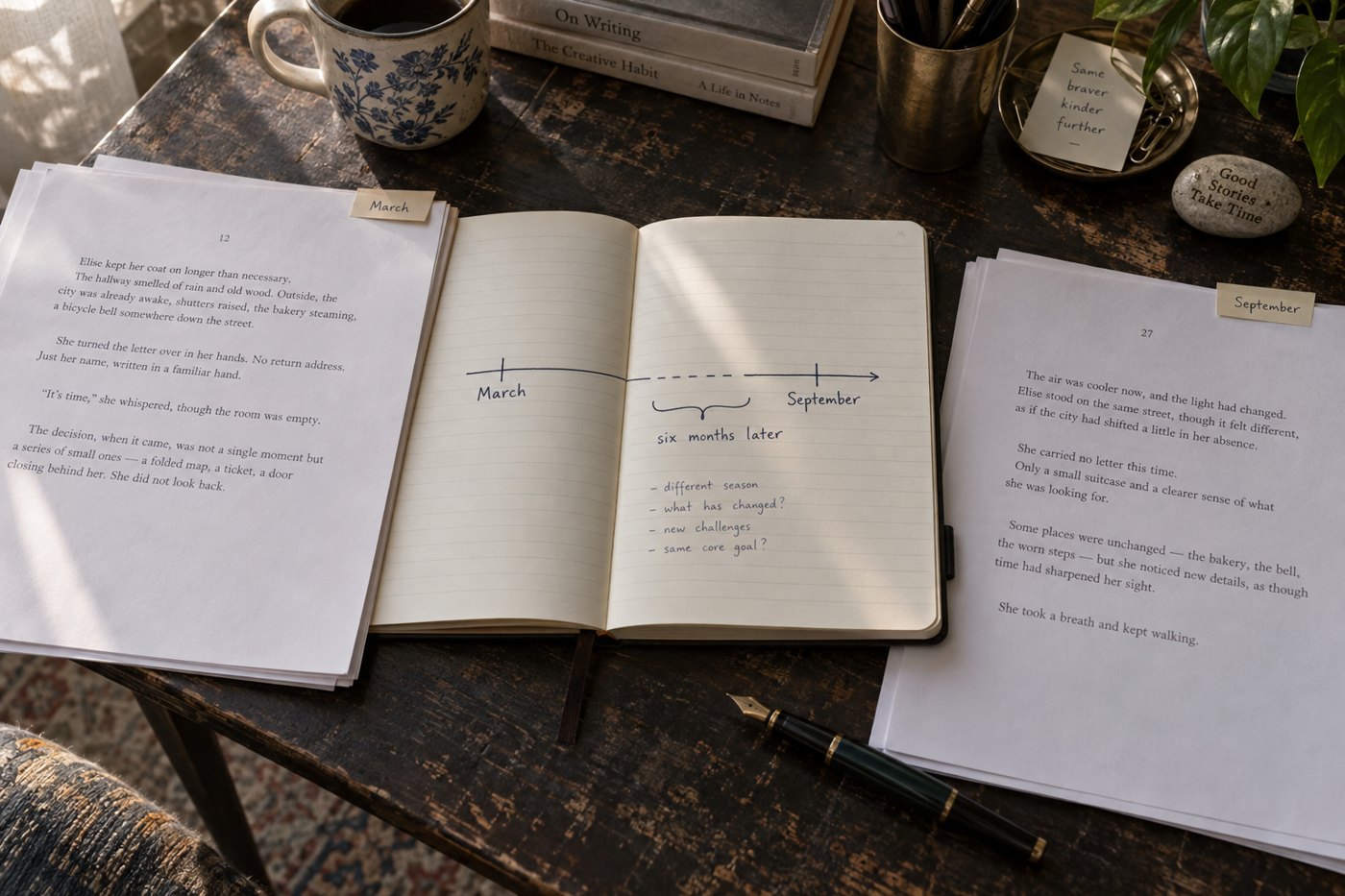
A time jump can leave events behind while giving readers enough bearings to understand the new present.
Writing
A flashback is most useful when an earlier event changes the meaning or direction of the present scene.
Writing
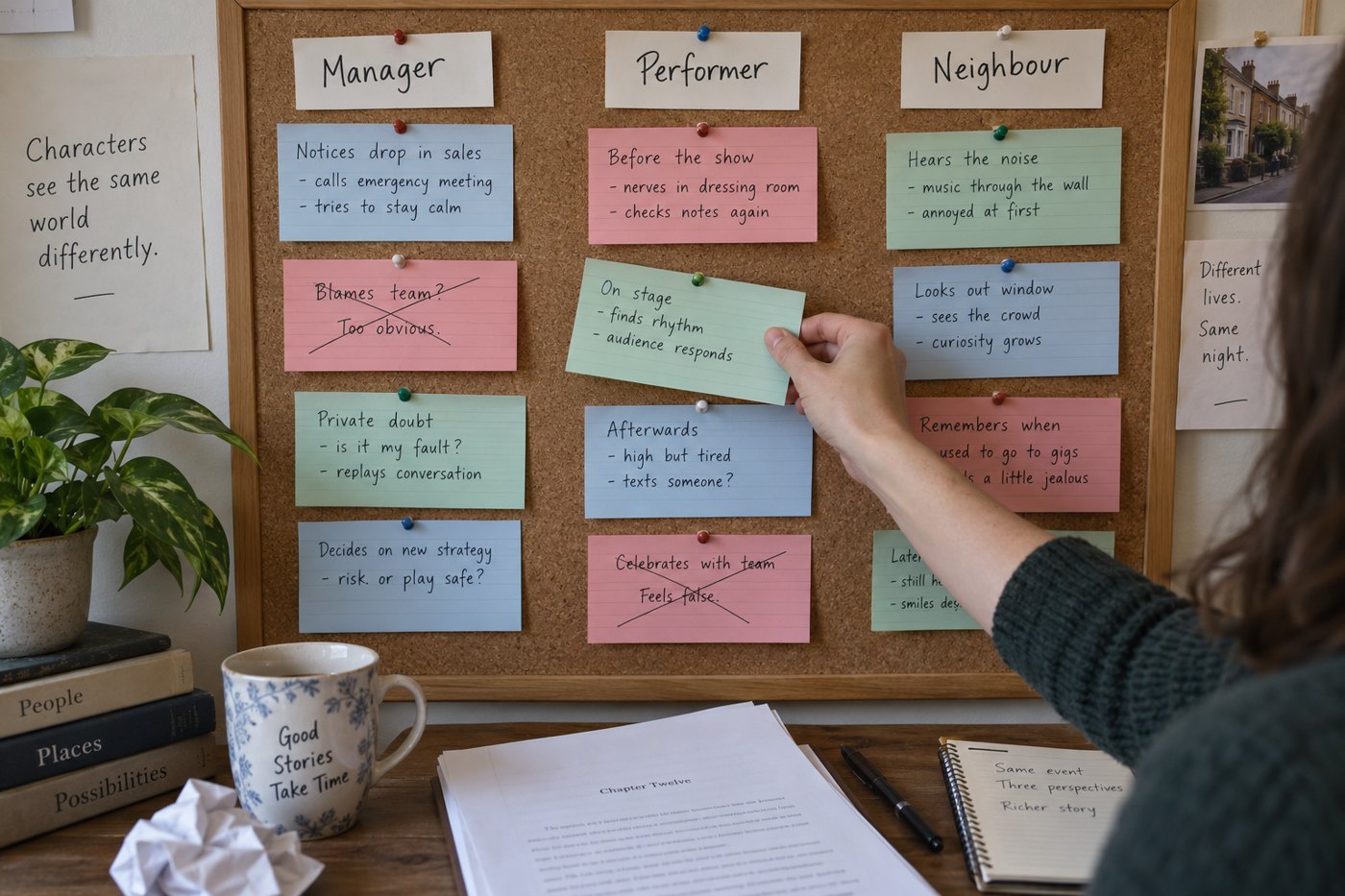
Several viewpoint characters need distinct reasons to be present and a shared story that their perspectives can change.
Writing
A subplot needs its own movement and a meaningful connection to the main action.
Writing
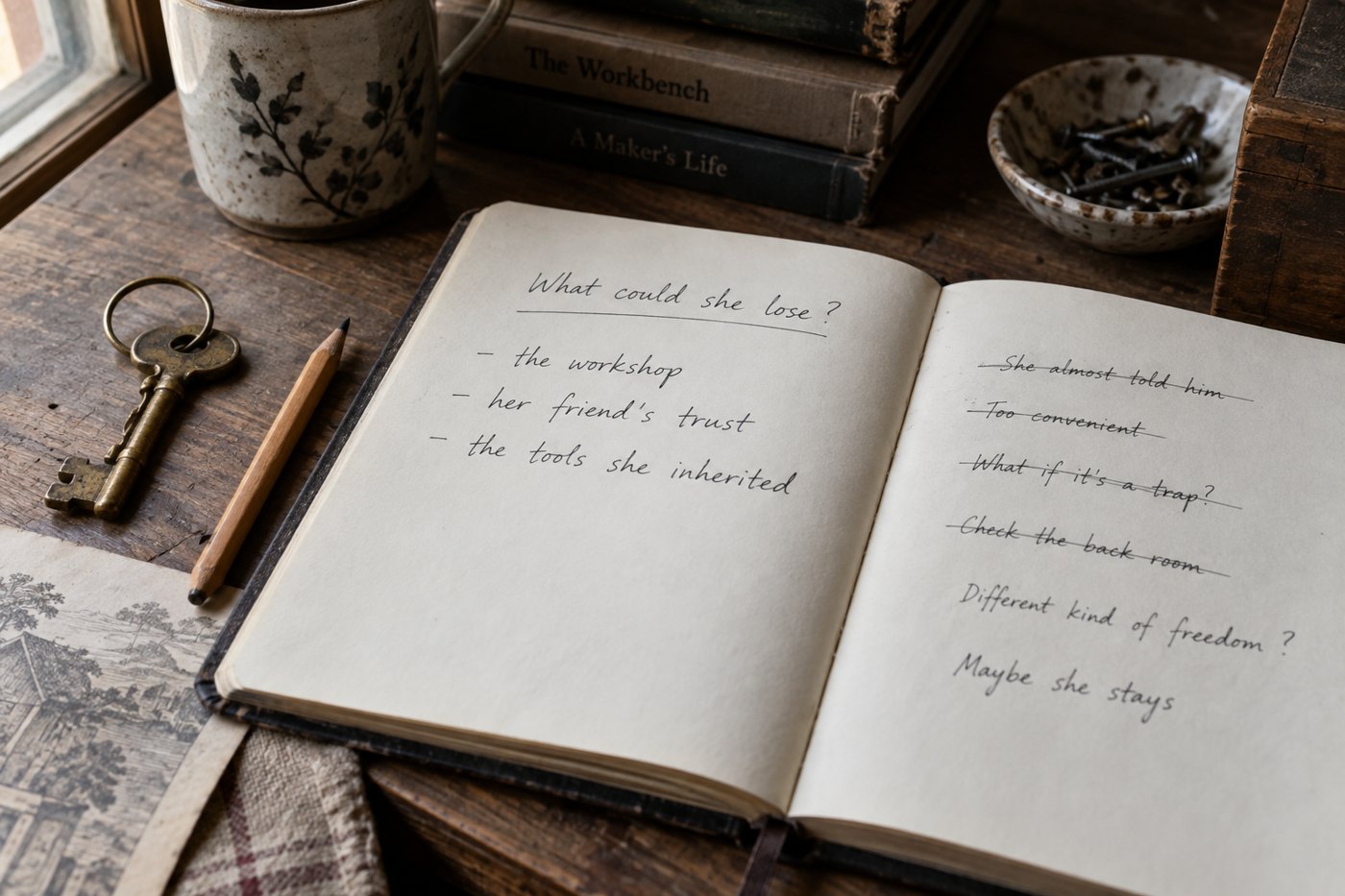
Consequences become legible when readers know what a person values and how a particular outcome would alter it.

Writing
Stillness can carry tension when attention, understanding or intention changes within it.
Writing
Background information works best when readers can connect it to a question or action already in progress.
Writing
Research can serve a draft or postpone it. A defined question and a stopping condition help you tell the difference.

Writing
Keep the recording, the transcript and your interpretation distinct while building a passage readers can follow.
Writing
An outline becomes useful when it follows the questions readers need answered, including the questions created by earlier answers.
Writing
An example should make a distinction, process or consequence easier to understand. Choose it for that work.
Writing
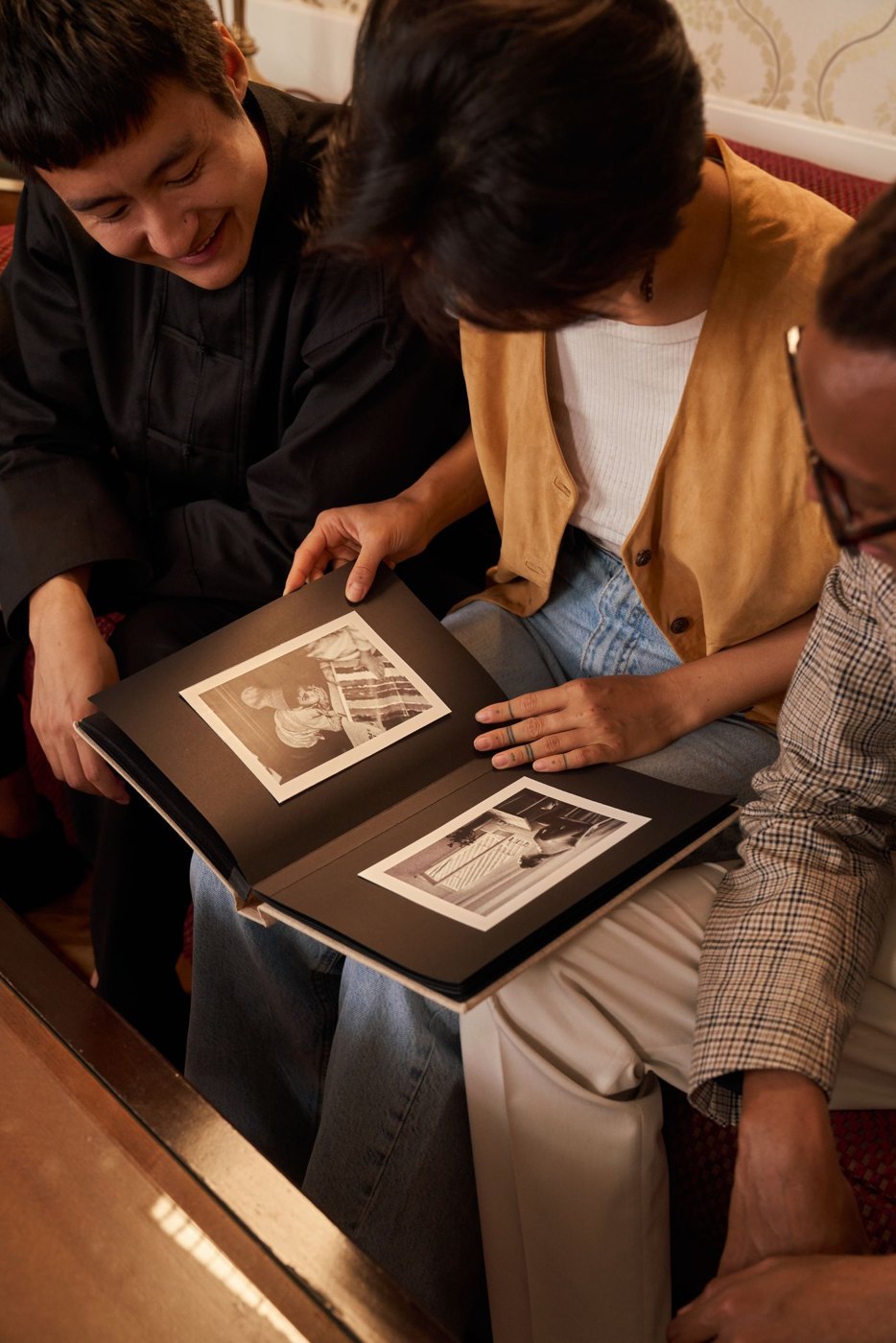
A memoir selects a meaningful part of a life. The selection becomes clearer when you know the movement the book is following.
Writing
A personal essay gathers around a question, tension or change in understanding rather than around a complete account of an experience.

Writing
A short story can imply a larger life while concentrating on the encounter or decision that changes something within it.

Writing
A writing routine is easier to sustain when it accounts for your actual week, the kind of work required and the cost of restarting.

Writing
A short restart note preserves the next decision so you do not have to rediscover it when you return.

Writing
A visible placeholder can preserve momentum without allowing an unresolved detail to disappear.

Writing
Select one moment of pressure, then let action and response carry the information that summary currently supplies.
Writing
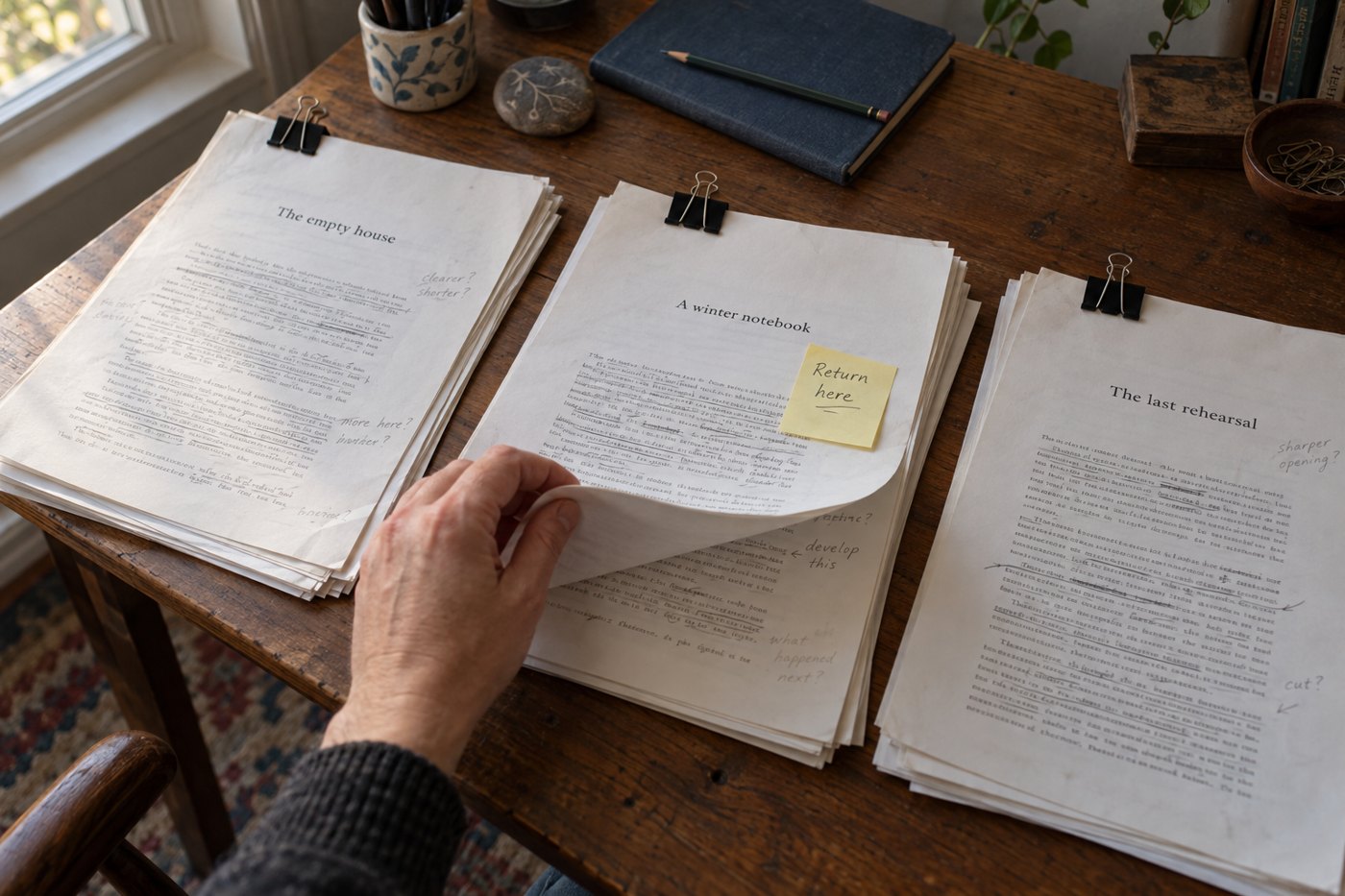
Compare unfinished projects by their remaining questions and workable next steps, rather than by guilt or accumulated pages.

Writing
A focused question helps a writing group describe its reading experience and keeps the discussion useful to the next revision.

Writing
Tell a reader what stage the draft has reached, what you need to learn and what kind of response would help.
Writing
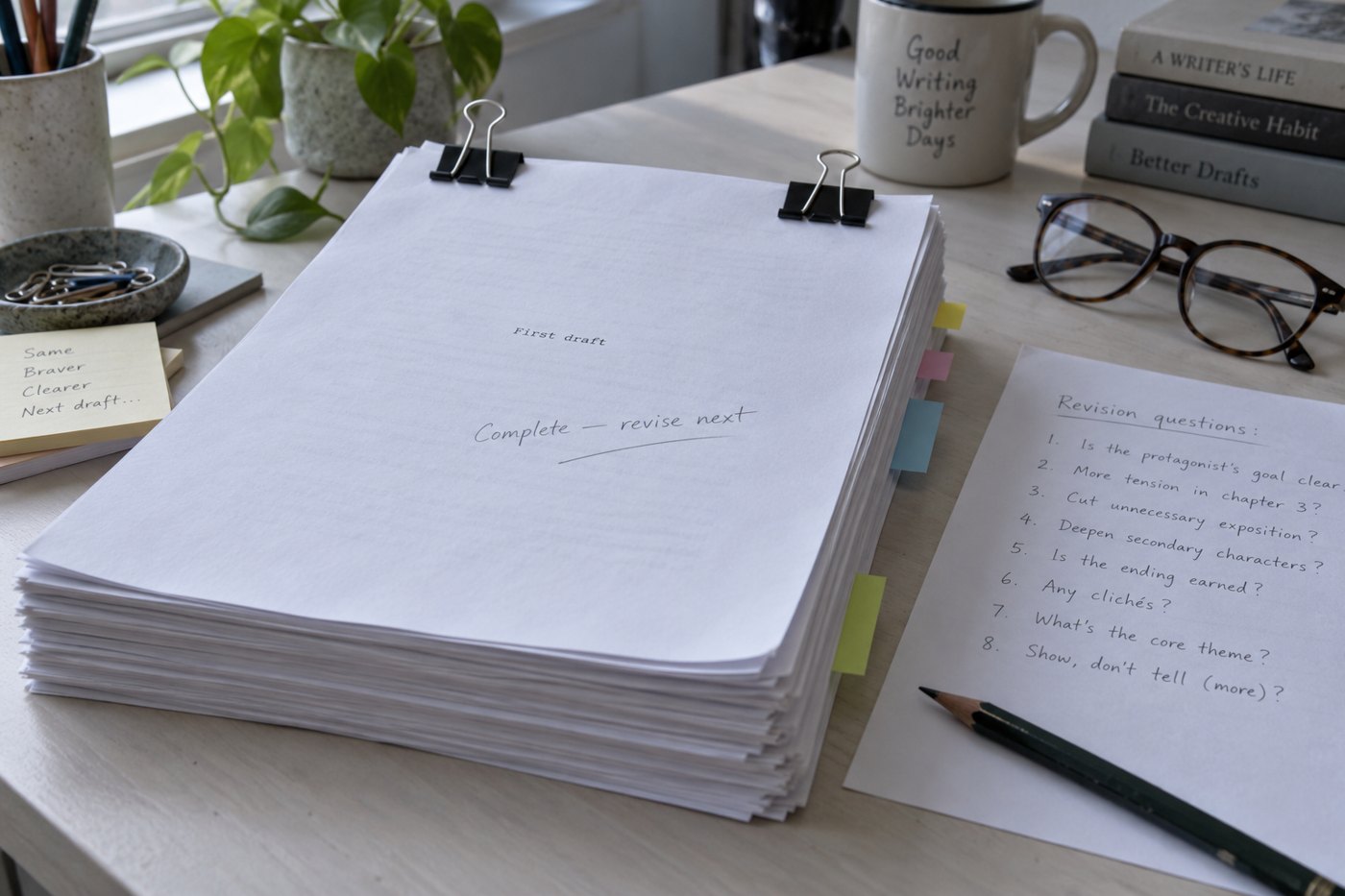
A first draft is complete when the whole work can be read and assessed, even though many local decisions remain provisional.