
Writing
Turning interview notes into a usable draft
Keep the recording, the transcript and your interpretation distinct while building a passage readers can follow.
Writing
An outline becomes useful when it follows the questions readers need answered, including the questions created by earlier answers.
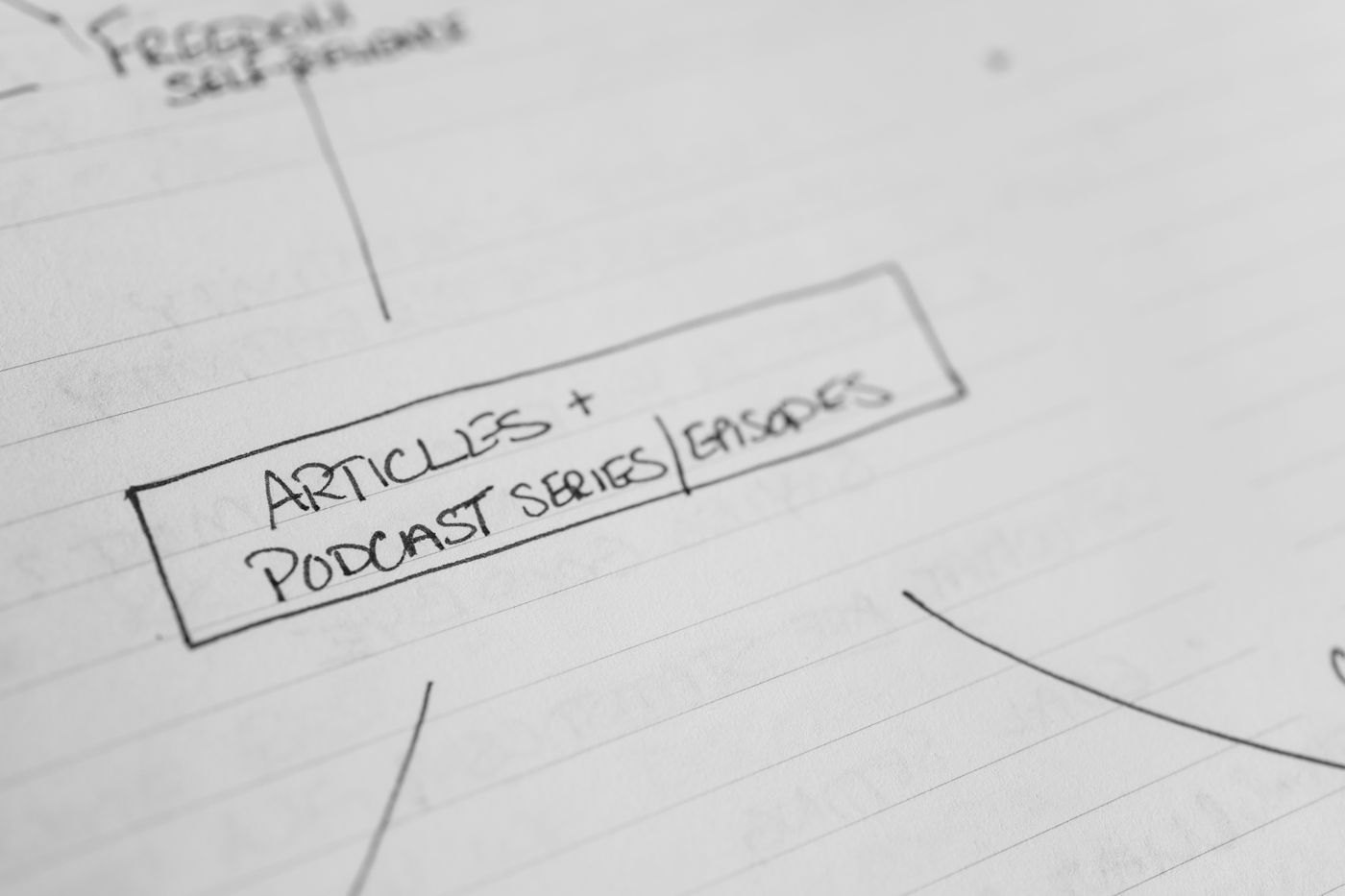
A proposed book about repairing old furniture could begin with tools, materials, techniques or a history of craftsmanship. The best order depends on the reader's starting problem. Someone choosing a first project needs to recognise a manageable repair before learning an advanced joint. An experienced maker may need an entirely different route through the same subject.
Describe the intended reader in terms of knowledge and purpose. What can they already do? What decision or understanding brings them to the book? Avoid a flattering but vague description such as 'curious people who love learning'. A more useful statement might be 'people who can use basic hand tools but cannot yet judge whether a damaged chair is safe to repair themselves'.
Now list the questions that reader will ask. Some concern definitions, others concern order, risk, comparison or exceptions. Write them as actual questions, using ordinary language. 'How do I know whether the damage is superficial?' is more informative at this stage than a chapter label such as 'Assessment'.
Put related questions together and look for a central job in each group. One group may help readers choose a project; another may explain how to diagnose a fault; another may compare possible approaches. A chapter should have a recognisable purpose that can be stated without listing all its subtopics.
Check the dependencies between groups. Readers may need to understand a term before comparing methods, or see a basic case before considering an exception. Draw simple arrows only where an earlier answer is necessary for a later question. This reveals an order based on comprehension rather than on the sequence of your research folders.
Do not make every chapter the same size merely because the outline looks tidier that way. Some questions need a sustained argument and several examples. Others can be answered in a compact chapter or within another section. Let the material's demands determine the space, then check whether the overall journey feels balanced.
For every chapter, write a starting question, a provisional answer and the evidence or explanation needed to connect them. This exposes gaps that a list of headings can hide. A heading such as 'Common problems' sounds complete until you ask which problems, why they belong together and what the reader should do differently after encountering them.
Choose examples that perform distinct jobs. A straightforward example may establish the method; an awkward case may reveal its limits; a comparison may show why one option fits a particular circumstance. Repeating the same lesson with several colourful anecdotes can inflate a chapter without deepening it.
Include disagreement where it matters. If two approaches make different assumptions, the chapter should make those assumptions visible. A nonfiction outline should allow evidence to qualify the argument. It should not be a sequence of boxes designed only to accommodate a conclusion you have already decided to repeat.
Draft a representative chapter before expanding the outline into a large project plan. Choose one with a typical level of complexity, not only the easiest or most dramatic chapter. The writing will reveal whether your questions are too broad, whether the evidence is sufficient and whether the intended reader needs more preliminary explanation than you expected.
After drafting, make a short reverse outline of what the chapter actually does. Compare it with the plan. The difference is useful information rather than proof of failure. Perhaps a supposed example contains the central argument, or two planned sections answer the same question. Revise the outline to reflect what the material has taught you.
Keep a separate file for material outside the book's current scope. A clear boundary makes decisions easier when new research appears. You can ask whether a discovery changes an existing answer, creates a necessary question or belongs to another project. Not every interesting fact needs a chapter.
The finished working outline should let you explain why chapter two follows chapter one and why the book ends where it does. It remains open to revision, but it gives each drafting session a defined task. You are building a sequence of understanding that readers can travel through, with enough room for the subject's complications.
Writing
Keep the recording, the transcript and your interpretation distinct while building a passage readers can follow.

Writing
An example should make a distinction, process or consequence easier to understand. Choose it for that work.