Writing
Knowing when research is delaying the draft
Research can serve a draft or postpone it. A defined question and a stopping condition help you tell the difference.
Writing
Keep the recording, the transcript and your interpretation distinct while building a passage readers can follow.
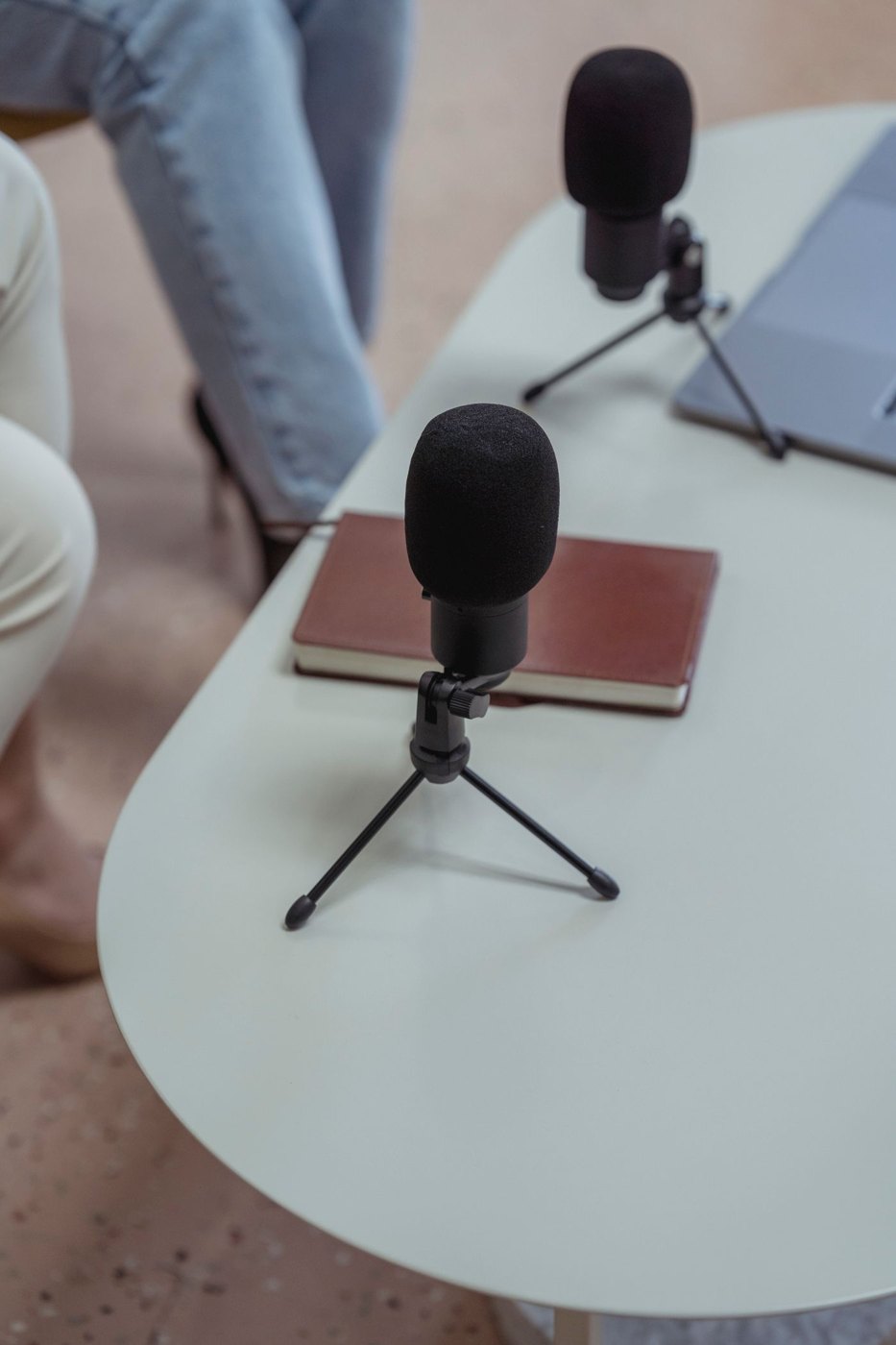
An interview produces several different kinds of material: the recording, notes made during the conversation, a transcript and your later impressions. Keep these separate. A phrase written from memory after the meeting may help you locate a topic, but it should not silently become a verbatim quotation. Mark the status of each item while the conversation is still fresh.
Record the interview date, the participant's preferred name and the file location alongside your notes. Add a short description of the subjects discussed and the agreed limits on use. For oral-history projects, the Oral History Association treats preparation, preservation and access as connected responsibilities. Its guidance is a useful reminder to settle the intended use of the material rather than assuming that making a recording settles every later question.
Keep an untouched copy of the original recording and a separate working copy. Give the files understandable names and store the project records together. A beautiful paragraph is difficult to verify if the quotation behind it cannot be traced to a particular recording and position.
Listen through the material and note topic changes with timestamps. The index might say '12:40: first day in the workshop' or '27:15: disagreement about the move'. These labels help you return to passages without repeatedly searching the whole file. They also reveal the interview's shape: which topics produced detail, which remained vague and which questions were never answered.
If you use an automatic transcript, treat it as a navigation aid until checked. Names, numbers, specialised terms and overlapping speech deserve particular attention. The Oral History Association's archiving guidance explicitly recognises that both human and automatic transcription can contain errors. Verify quotations against the recording, listening beyond the selected sentence so you retain the context.
Do not repair uncertainty by guessing. Mark an unclear word and revisit it with headphones, a slower playback setting or a follow-up question where appropriate. If the wording cannot be established, paraphrase only what the evidence supports or omit the passage. A plausible sentence is not a substitute for an audible one.
A lively anecdote can dominate a draft even when it does not answer the chapter's question. Write the question above your working notes, then sort useful passages by their contribution: an example, an explanation, a contrasting account or a claim requiring independent verification. This gives the interview a place in the book's reasoning rather than allowing the order of conversation to dictate the chapter.
Distinguish a participant's recollection from an established external fact. Someone may remember a shop closing in a particular year, or attribute a decision to a person who was not present. The recollection can be important in its own right, but dates and claims may need corroboration. Tell readers when you are presenting an account, especially where memories or records disagree.
Select quotations for language that matters. A participant's distinctive explanation, hesitation or concise formulation may justify direct quotation. Routine connective information can often be paraphrased more clearly. Do not combine words from separate answers into a seamless statement that the person never made. If you shorten a quotation, preserve its meaning and follow the conventions of the publication's chosen style.
Start with what readers need to understand, place the interview material where it advances that understanding and explain its significance without repeating it. A quotation should have enough introduction to identify the speaker and situation. It should also leave room for the reader to hear the voice rather than being immediately translated into identical prose.
A useful working draft can contain verification notes in plain brackets. For example: '[Check date against local record]' or '[Confirm approved spelling]'. Keep these visible until resolved. A smooth draft with invisible uncertainties is harder to finish responsibly than an untidy draft whose questions are clearly recorded.
Before finalising the passage, compare it with the source again. Check the exact wording, the surrounding context, the identity of the speaker and the agreed use of the material. Follow the review process appropriate to the project; an oral-history release and a journalistic interview may have different arrangements. Keep a record of decisions so that a later revision does not reintroduce a removed or restricted passage.
Writing
Research can serve a draft or postpone it. A defined question and a stopping condition help you tell the difference.
Writing
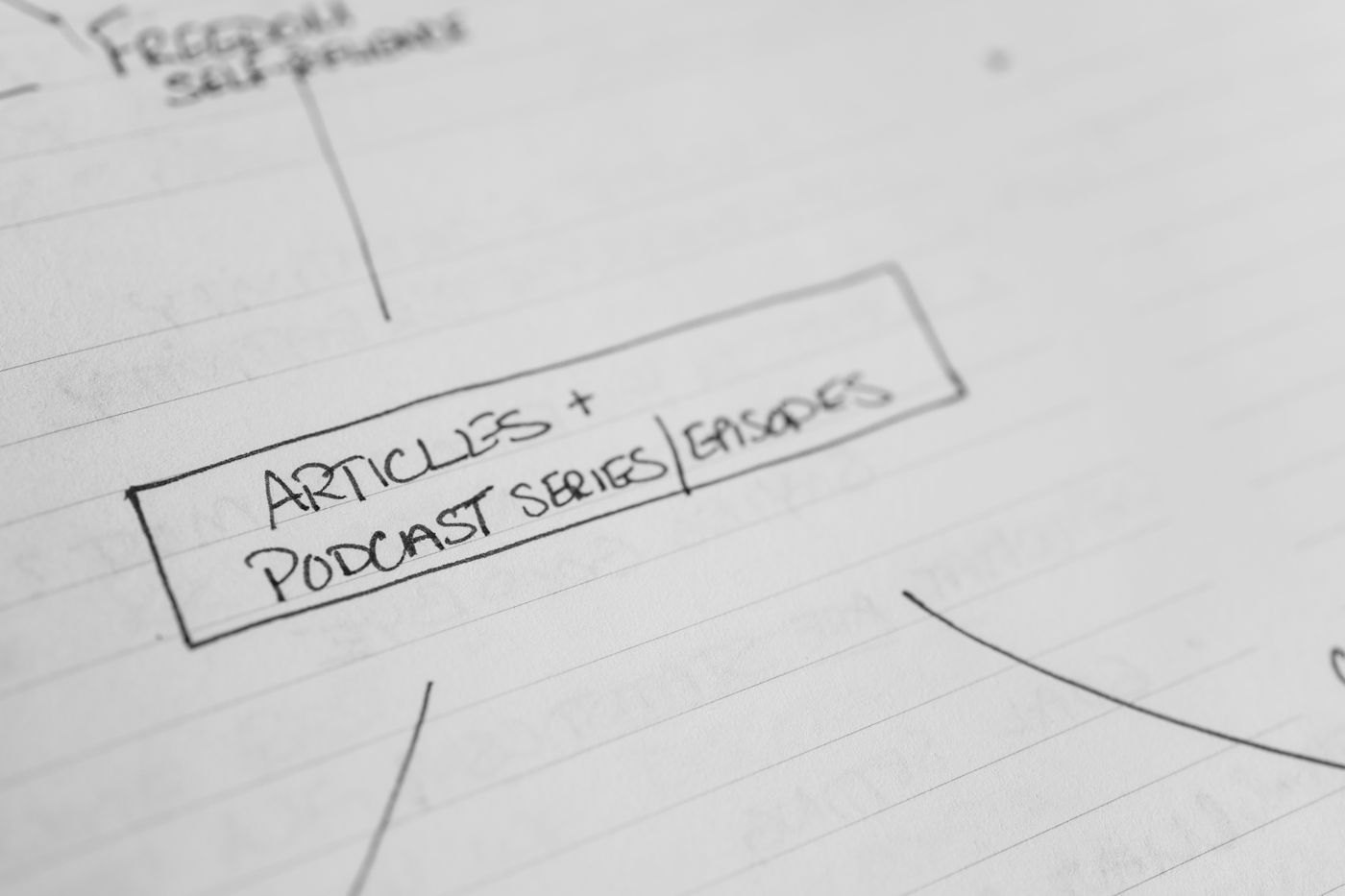
An outline becomes useful when it follows the questions readers need answered, including the questions created by earlier answers.