
Publishing
Publishing routes: control, cost and responsibility
Compare who makes decisions, who pays for the work and how readers will obtain the book before choosing a route.
The subject index / 30 articles
Prepare submissions, compare routes and organise the decisions between a manuscript and a published book.
Publishing
Compare who makes decisions, who pays for the work and how readers will obtain the book before choosing a route.

Publishing
A query introduces the book, establishes its fit and gives the recipient a clear reason to read the requested material.

Publishing
A synopsis reveals how the story develops and ends, with enough cause and consequence to make the shape intelligible.

Publishing
Treat submission instructions as a specification for this recipient, then check the actual package against it.

Publishing
A shortlist should connect each agent’s stated interests with the book you have written and the stage it has reached.

Publishing
A small record of what you sent, when you sent it and what happened next is enough to prevent most submission confusion.

Publishing
The kind of response you received determines what it can tell you—and what it cannot.

Publishing
A full request calls for the requested manuscript, a clean handover and an accurate record of any conditions attached to it.

Publishing
A proposal explains the book’s idea, audience, structure and evidence, while sample writing demonstrates how that plan will become a readable work.

Publishing
Comparable books help explain readership, approach and position when the comparison is specific and based on reading.

Publishing
A short biography works when each fact helps a reader understand the author’s connection to the work.
Publishing
Organise a self-publishing project around dependencies, so each stage receives the decisions and files it needs.

Publishing
A useful budget names the work, defines what each quotation includes and shows when cash will be needed.

Publishing
A publication date should follow the production dependencies and the date readers need to obtain the book.

Publishing
An ISBN identifies a particular publication product, so format and edition decisions matter when assigning one.
Publishing
An imprint name should be easy to use consistently across the book, publication records and future titles.
Publishing
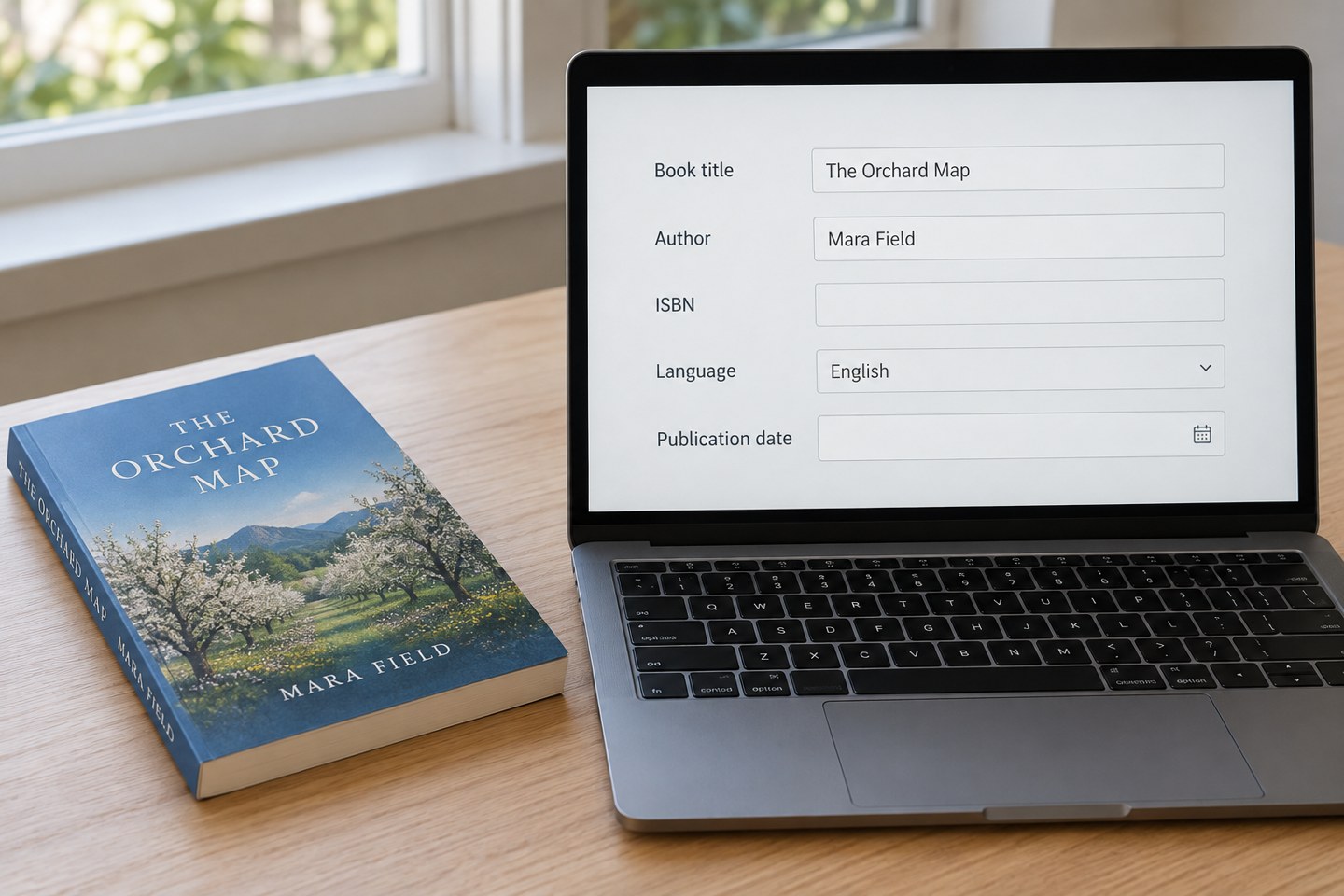
Keep one approved record of the information that describes each edition, then check every upload and listing against it.

Publishing
Use categories and keywords to describe the book a reader will actually receive.

Publishing
A description should help the right reader recognise the book’s central promise without turning into a synopsis or a list of claims.
Publishing
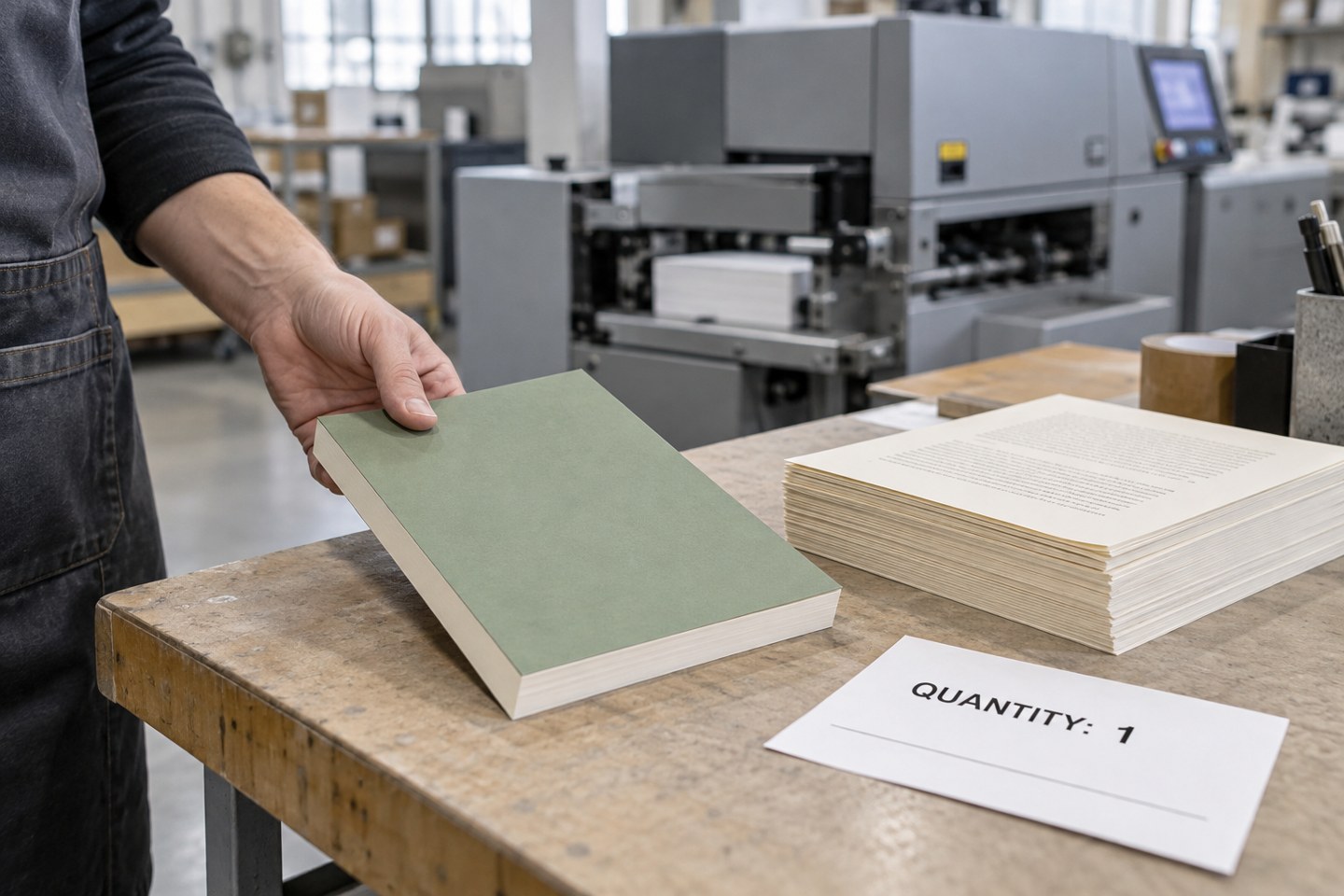
Print on demand changes when copies are manufactured; the book still needs prepared files, a checked proof and a route to readers.

Publishing
A print quotation needs more than a quantity. Make the specification, delivery arrangements and approval process clear before comparing offers.

Publishing
A proof copy is a chance to inspect the book as an object as well as a text. Work through it with the approved files and a clear correction record.

Publishing
Prepare the book file, cover and listing information as one release. Preview the converted result before treating an accepted upload as a finished ebook.

Publishing
A distribution route makes ordering possible. Promotion gives a particular reader, bookseller or librarian a reason to consider the book.

Publishing
A bookseller needs enough information to assess the book and understand how to obtain it. Prepare that information before making a short, relevant enquiry.
Publishing
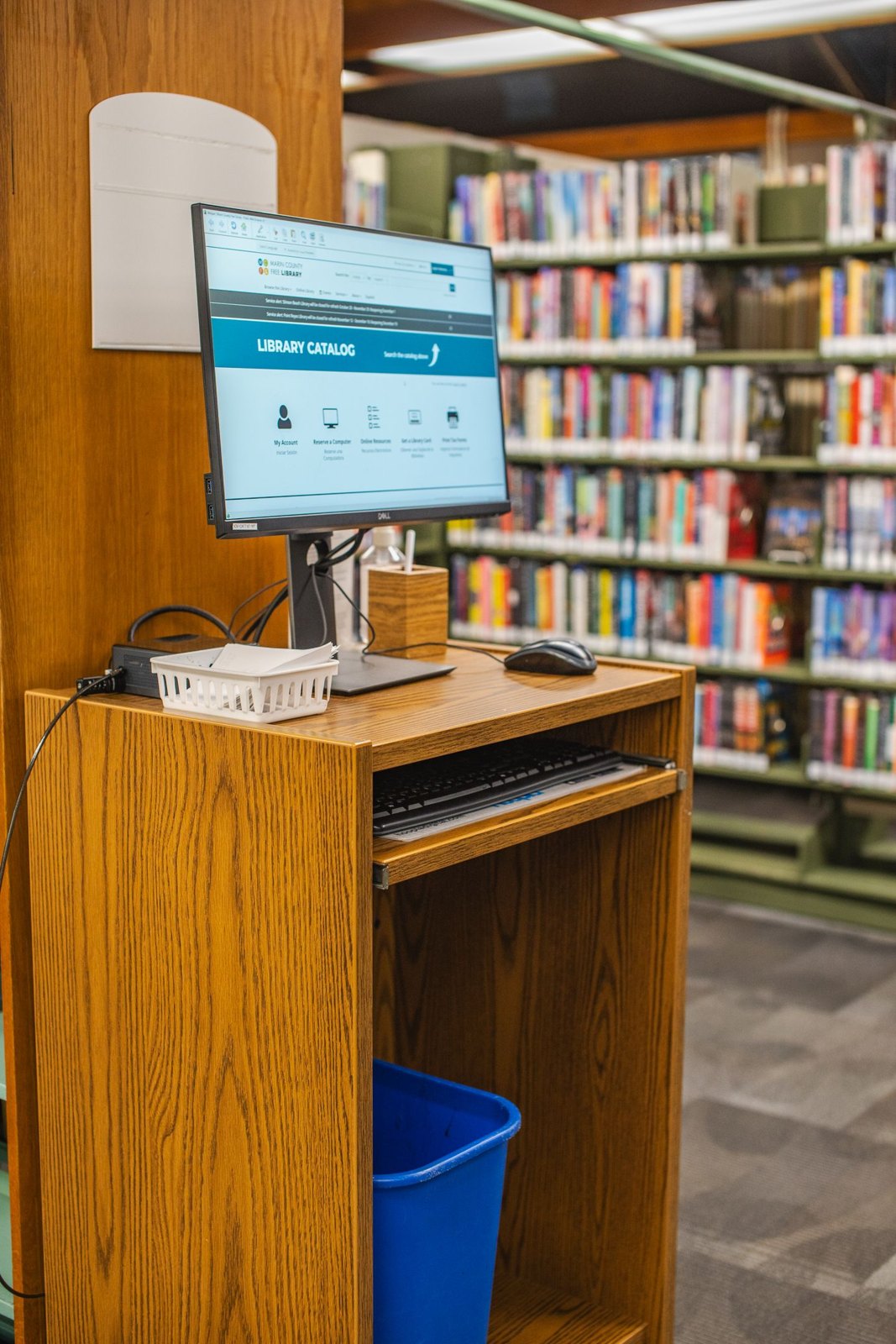
Make a library enquiry about the book’s relevance and availability. Start with the library’s own acquisition process, and keep event proposals separate.

Publishing
An offer is the start of a detailed conversation. Gather the full terms, identify what you do not understand and have the actual agreement reviewed before signing.

Publishing
A rights record helps you locate the agreement behind a use of your work. Keep it factual, linked to documents and clear about unresolved questions.
Publishing
A changed file is not always the same thing as a new edition. Describe the revision first, then check the identifier and listing requirements that apply.

Publishing
Paperback, hardback and ebook releases can drift apart. A format-by-format publication record makes it easier to check listings and manage later corrections.