Publishing
Prepare information for a library enquiry
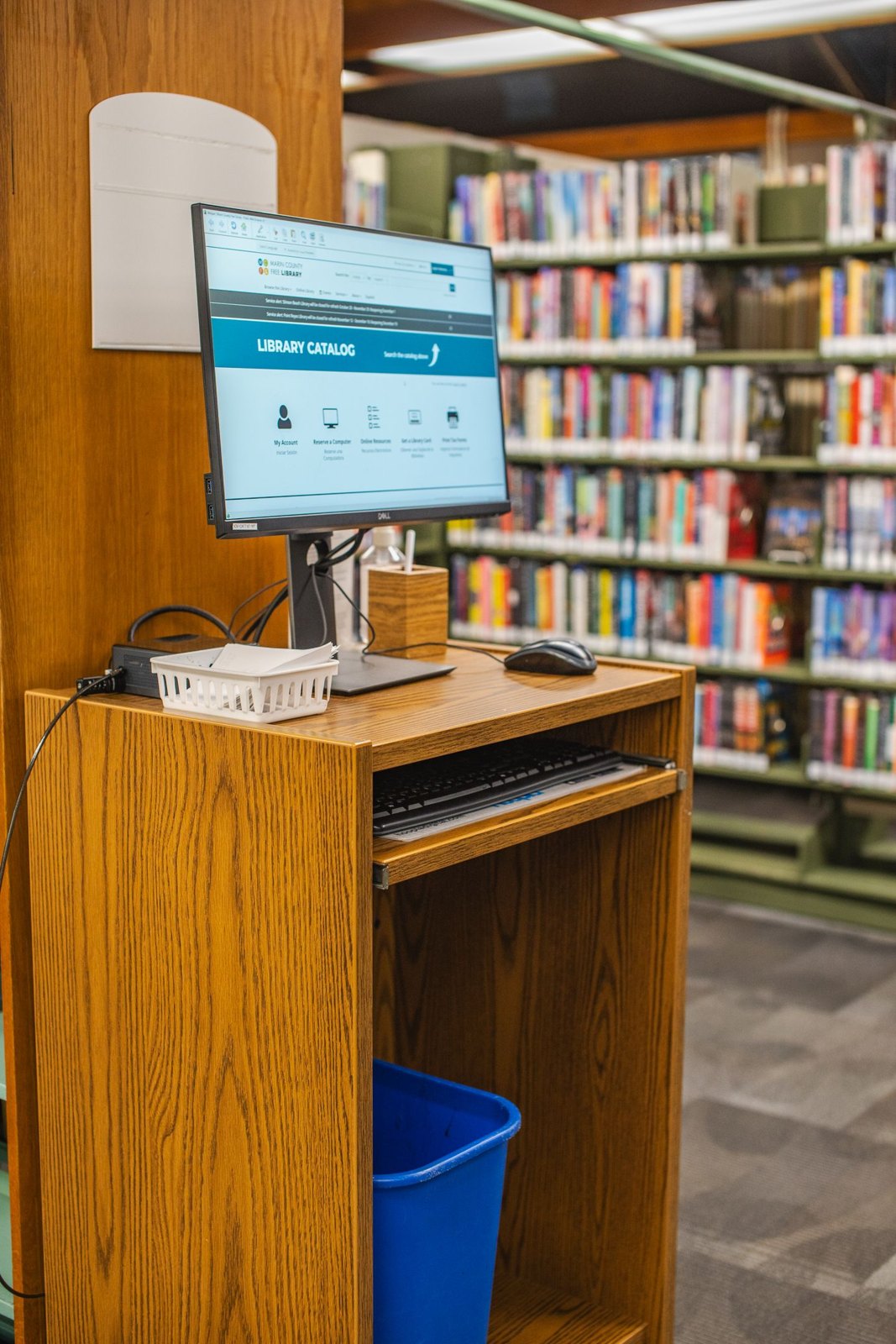
Make a library enquiry about the book’s relevance and availability. Start with the library’s own acquisition process, and keep event proposals separate.
Publishing
An offer is the start of a detailed conversation. Gather the full terms, identify what you do not understand and have the actual agreement reviewed before signing.

Save the offer, the proposed contract and any accompanying explanation together. Check which document contains the actual terms and whether anything mentioned in conversation is absent from the written proposal. A friendly discussion and a binding agreement are not interchangeable records.
Identify the parties and the work covered. Make sure the title or project description refers to the intended manuscript, and note whether the proposal also refers to later books or related work. If a term is unclear, write down the question rather than supplying the interpretation you would prefer it to have.
The Society of Authors provides contract advice and recommends professional advice before signing. Its resources are a starting point for understanding the questions, while a qualified adviser reviewing your particular agreement can assess wording, jurisdiction and consequences. A general article cannot establish whether an individual offer is suitable.
Read for the scope of the proposed rights, including formats, languages, territories and duration. Ask which rights are included and which remain outside the agreement. Do not assume that a familiar label such as “publishing rights” describes a narrow or standard package in every contract.
Clarify the work expected from you: delivery material, deadlines, revision obligations and any approval process. Ask how acceptance is determined and what happens if the project changes. The point is to understand the actual commitments before treating a publication date or a verbal assurance as settled.
Ask how payment and reporting are described, including the basis of any calculation and the timing of statements. If costs or contributions are requested from you, identify them explicitly and discuss them with the adviser. Avoid comparing offers using only a headline number when the underlying rights and obligations differ.
Instead of asking “Is this a good contract?”, prepare a list tied to clauses. For example: which formats does this wording cover; who decides whether the manuscript has been accepted; what event starts this deadline; or how is this term defined elsewhere in the agreement? Specific questions make it easier to locate the uncertainty.
Separate clarification from negotiation. Understanding what a clause currently says is one step; deciding whether to seek a change is another. Keep a record of proposed changes and the response to each, and ensure the final version reflects the agreed outcome.
Do not let an approaching deadline turn an unresolved question into an assumption. Explain that you need time for review and ask about the timetable. If the other party supplies a revised draft, compare it with the version previously considered rather than checking only the paragraph you expected to change.
When the process is complete, retain the signed agreement and the relevant correspondence in a secure project record. Record key dates and obligations in a separate working note, with references back to the contract. That note helps you manage the project, but the agreement itself remains the document to consult when a substantive question arises.
Publishing
Make a library enquiry about the book’s relevance and availability. Start with the library’s own acquisition process, and keep event proposals separate.

Publishing
A rights record helps you locate the agreement behind a use of your work. Keep it factual, linked to documents and clear about unresolved questions.