
Writing
Choose examples that explain rather than decorate
An example should make a distinction, process or consequence easier to understand. Choose it for that work.
Writing
A memoir selects a meaningful part of a life. The selection becomes clearer when you know the movement the book is following.
A life contains more material than a single book can use. Begin by naming the movement you want to follow: learning to live in a new country, caring for a relative, leaving a profession or reconsidering a family account. The movement provides a principle of selection. Events belong because they contribute to it, not simply because they happened during the relevant years.
Try describing the book without listing milestones. 'School, university, first job, marriage' gives a chronology but little indication of the memoir's centre. 'How I learned to stop treating departure as a solution' suggests a question that particular departures might develop. The final manuscript may change that formulation, but it gives you a way to assess the early material.
Choose a provisional beginning and ending. The beginning should place the reader close enough to the initial condition to understand what changes. The ending should show the movement reaching a meaningful point, even if the life continues with unresolved difficulties. You do not need to write from birth to the present to make the selected experience intelligible.
Make a list of scenes you remember vividly, then give each one a possible function. A childhood meal might establish a family rule; a later journey might test it; an ordinary phone call might reveal that you no longer obey it. Scenes that appear minor in a biography can become central in a memoir because of their relationship to the book's question.
Look for repeated work. Several incidents may demonstrate that a household avoided direct disagreement. You may need more than one to establish a pattern, but not every example deserves equal space. Choose scenes with different consequences or stages of understanding. Summary can connect them while preserving room for the moments that change the narrator's position.
Do not select only incidents that make the narrator seem perceptive or justified. A memoir's interest often lies in the gap between what the person understood then and what the writer can see now. Include the evidence that complicates your preferred explanation. Acknowledging that complexity can produce a more convincing account than assigning everyone a stable role.
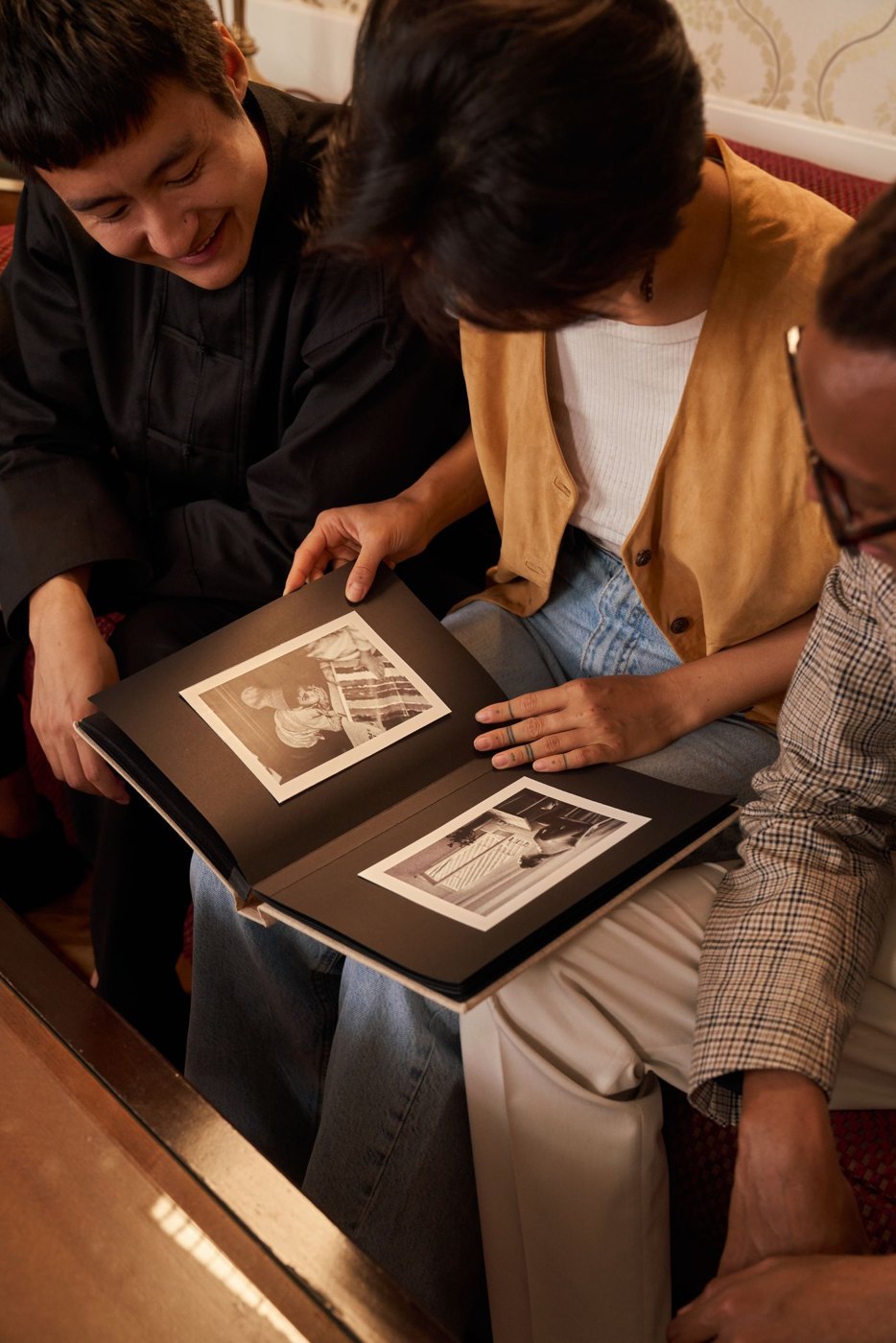
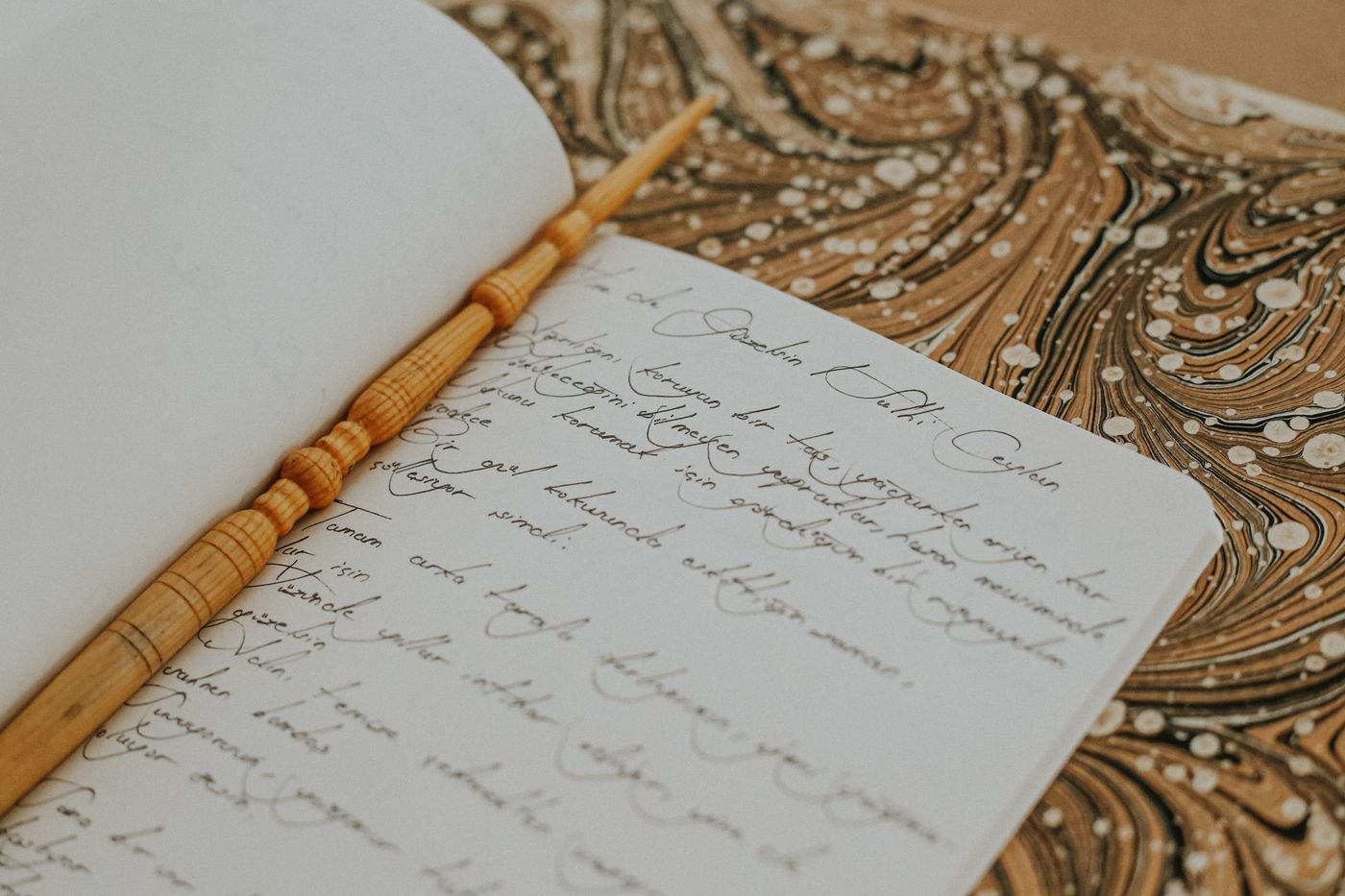
Old photographs, letters, diaries and conversations can help you test dates and recover context. They may also contradict memory. Keep a note of those differences instead of automatically treating either source as complete. A photograph records what the camera framed; a diary records what its writer chose to say at the time; a later recollection brings its own perspective.
When you reconstruct dialogue, consider what you can honestly claim to remember. Exact wording from a preserved letter has a different status from the gist of a conversation decades earlier. Make the memoir's approach clear enough that readers are not misled about the basis of the account. You can write a vivid scene without pretending every line survives as a transcript.
Leave uncertainty visible when it matters. If two relatives remember an event differently, the disagreement may itself belong in the story. You do not always need to adjudicate it into one definitive version. The important question is how each account affects the movement you are tracing.
Your experience will include people with their own memories and interests. Ask whether a private detail is necessary to the book's purpose, whether its presentation is accurate and whether a less intrusive detail can do the same work. This is a selection question as well as an ethical one. Showing another person's conduct carefully is usually more informative than supplying a confident verdict about their motive.
Give disputed claims a visible place in your working notes. Record which statements come from contemporary documents, which from later recollection and which remain uncertain. If a passage needs further review before publication, mark it rather than allowing a fluent rewrite to hide the unresolved issue. Editorial polish should make the basis of the account clearer.
Return to the centre of the memoir after assembling a section. What does the reader now understand that they did not understand at its beginning? A scene may be cherished and beautifully written yet belong outside this particular book. Preserve it elsewhere. Selection is how the manuscript makes room for the experience it is actually trying to examine.
Writing
An example should make a distinction, process or consequence easier to understand. Choose it for that work.
Writing
A personal essay gathers around a question, tension or change in understanding rather than around a complete account of an experience.