Writing
Leave a note for your next writing session
A short restart note preserves the next decision so you do not have to rediscover it when you return.
Writing
A visible placeholder can preserve momentum without allowing an unresolved detail to disappear.
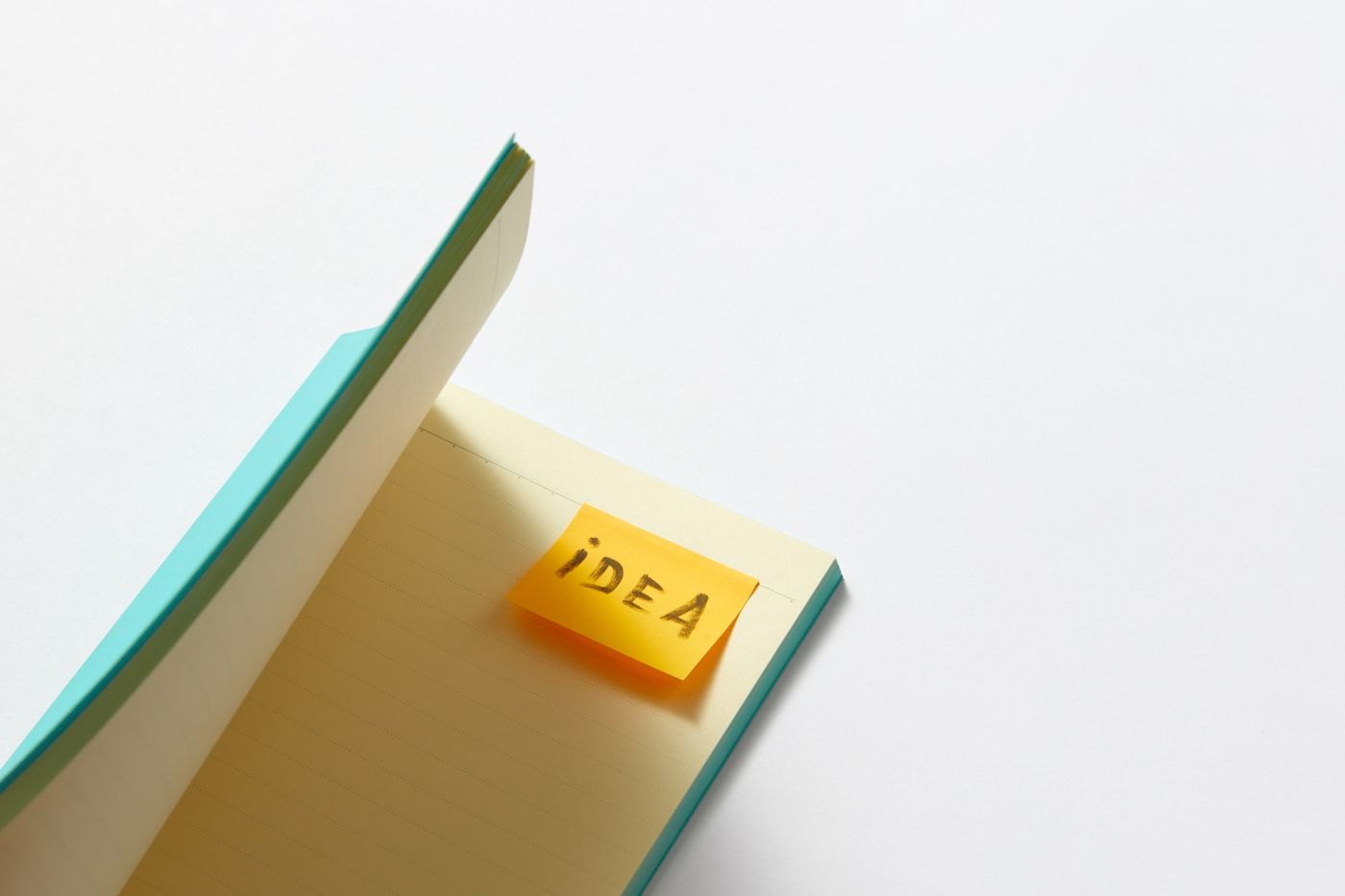
The exact name of the railway station may not matter while you are drafting an argument between two travellers. Their departure, the missed opportunity to speak and the choice to remain together might matter much more. You can write those parts now and leave a clearly marked gap where the station name belongs.
Use a placeholder that tells your future self what to find. “[CHECK: station serving this route in 1986]” is more useful than “something here”. For a missing passage, describe its job: “[ADD: brief example showing why the old filing system failed]”. The note records the intended function without pretending that the necessary work has already happened.
Choose a marker that is easy to search across the whole manuscript. Square brackets can work, although a distinctive prefix is safer if brackets also appear in finished prose. Keep unresolved facts visibly different from confident assertions. Otherwise a temporary guess can survive several revisions and begin to look researched simply because it has become familiar.
A placeholder should reduce friction rather than become an elaborate administrative task. You usually need the question, its location and perhaps a promising source. A separate research log helps when one answer affects many chapters, but a small local uncertainty can often stay beside the sentence.
Some missing details determine the scene itself. If the argument depends on whether the last train has already left, the timetable may control what choices the characters have. Drafting past that uncertainty can create a large repair. Decide whether you can safely write around the issue or whether a short, focused check is necessary before continuing.
The same distinction applies to nonfiction. You can postpone the wording of an example. You cannot responsibly build a whole explanation around a numerical claim you have not established. Mark the claim as unresolved and work on a section whose logic does not depend on it.
At the end of a drafting session, scan the new markers. Group related questions and identify those that block later work. Before sharing a complete draft, run the search again and either resolve each gap or explicitly tell the reader which material is provisional. The placeholder is a temporary tool whose value depends on eventually being noticed.