Tools & workflow
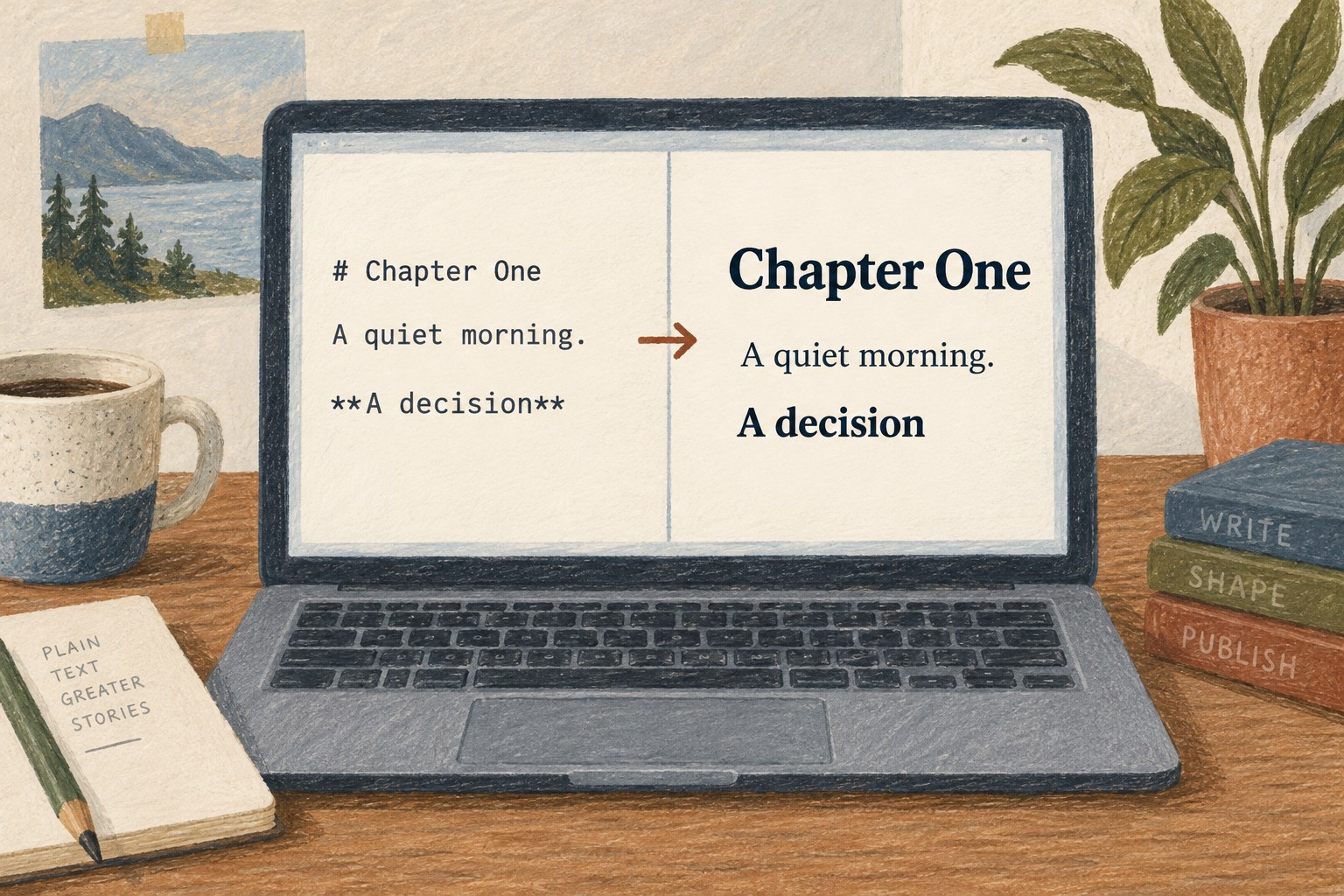
When a plain-text draft is a good fit
Plain text can simplify drafting when the book’s structure is modest and the later conversion is understood.
Tools & workflow
Use a small trial to discover which parts of writing become easier when spoken, and which still need a keyboard.
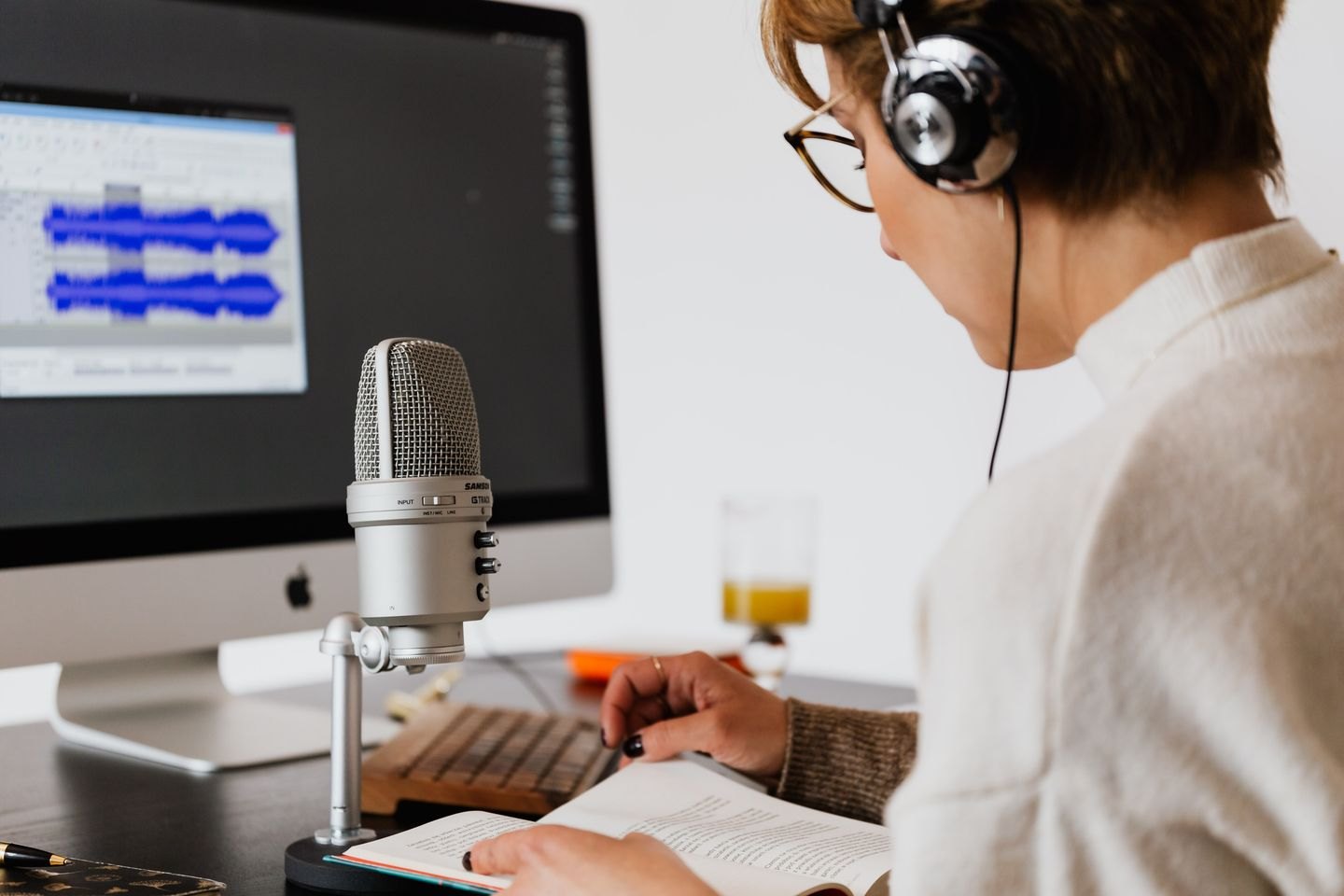
Dictation does not have to replace an entire writing process. Try it on a scene summary, a rough explanation or notes after reading. Choose material that can tolerate roughness, then compare the effort of producing and cleaning it with your usual method.
Speak in complete thoughts where possible, but do not expect the first attempt to sound like finished prose. Spoken language often contains repetition, loose references and unfinished sentences. Those features can be edited later. The first question is whether speaking helps you get useful material onto the page.
Use a microphone position that produces clear input and test it with a short passage. Background noise, distance and room echo can affect recognition. Listen to a sample if the tool records audio, and inspect the resulting text rather than judging the setup only by whether the microphone indicator moves.
Read the service's current requirements and privacy information before using it for sensitive material. Microsoft's Word dictation guidance, for example, describes speech-to-text using a microphone and an internet connection. Different tools may process audio differently, so do not assume every dictation feature behaves like an offline recorder.
Confirm how punctuation and commands work in the tool you choose. Practise only the commands needed for your immediate task. Trying to memorise a large command vocabulary before producing a paragraph can make the trial feel more complicated than it needs to be.
Read the transcript against what you intended to say. Recognition errors can produce plausible words that escape a spelling check. Names, numbers, negatives and specialist terms deserve particular attention. A missing “not” can reverse a sentence while leaving it grammatically smooth.
Then revise the prose as writing. Remove repeated starts, clarify pronouns and decide where paragraphs belong. Speaking can reveal the shape of an argument, but the transcript may need a different rhythm for silent reading. Keep the useful energy without preserving every hesitation.
If the trial helps, choose a recurring use rather than forcing it into every task. You might dictate a first pass and edit at the keyboard, or speak brief notes that later become an outline. A hybrid process can be more effective than judging the method as an all-or-nothing replacement.
Keep the resulting files inside the same naming and backup routine as other project material. If an audio recording is retained, decide how long it is needed and what information it contains. Review the method after several sessions using the quality of usable text and the total editing time, not just the speed at which words appeared on screen.
Tools & workflow
Plain text can simplify drafting when the book’s structure is modest and the later conversion is understood.

Tools & workflow
A reference manager helps when sources recur and citations need to remain connected to reliable records.