Tools & workflow
Set up a writing session with fewer interruptions
Reduce the interruptions you can predict, then give the session a task small enough to start. The aim is a workable period of attention, not an elaborate ritual.
Tools & workflow
A board can show which publishing tasks are moving and which are waiting. Keep each card tied to a result somebody can recognise as finished.
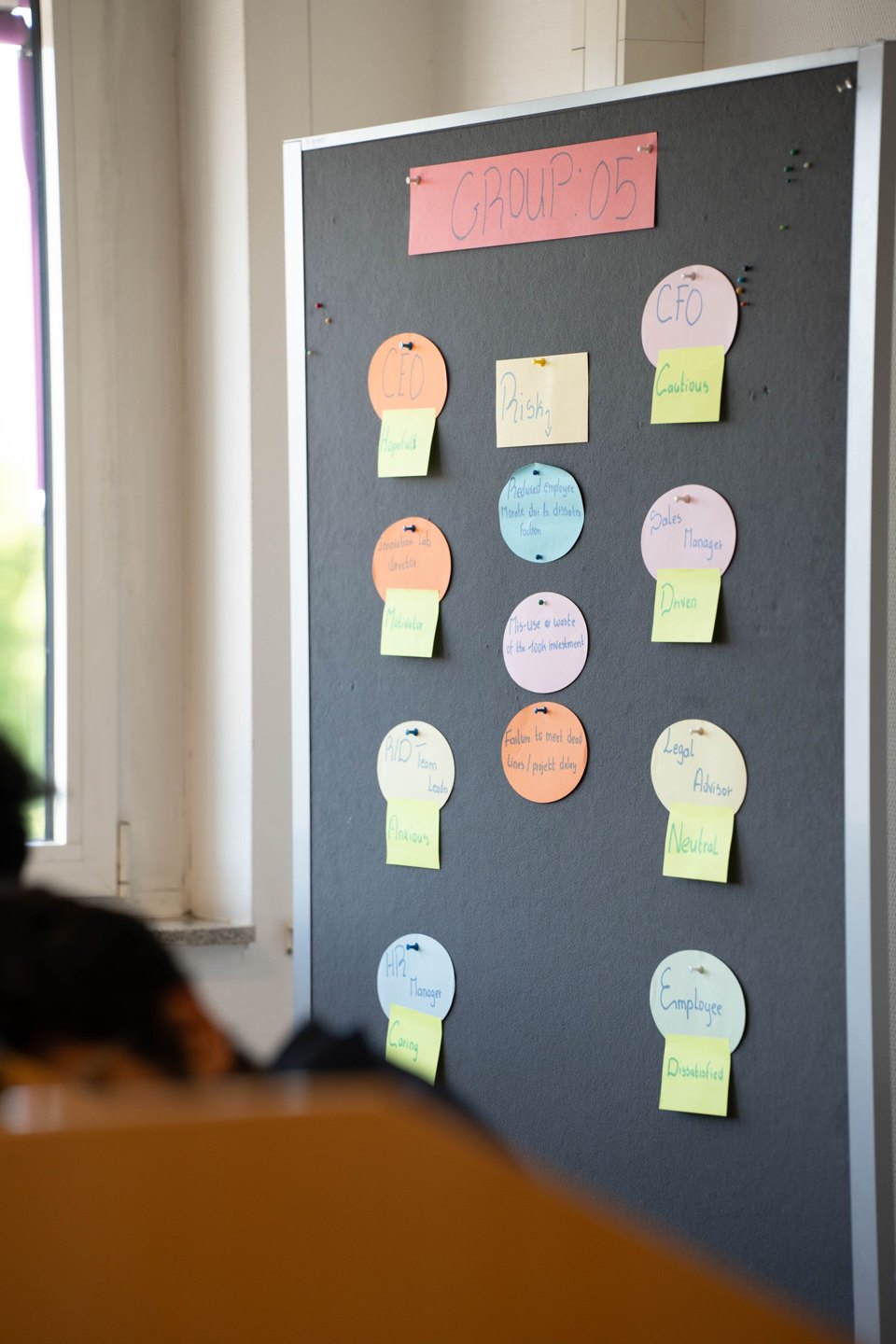
A board is most useful when it answers a recurring question such as “What can I work on next?” or “What is holding up the proof?” If it merely displays everything associated with the book, it may become another place to admire the size of the project.
Start with a few states that reflect real movement. Work waiting to begin, work in progress, work awaiting somebody else, and completed work may be enough. The labels matter less than the rule for moving a card between them. Everybody using the board should understand what each state means.
Write cards as outcomes. “Cover” is a subject; “Approve front-cover concept” is a result. A card that contains writing the brief, reviewing concepts and approving final print files is too large to show progress clearly. Split it where the work changes hands or a distinct decision is needed.
For each active task, name the next action and the person responsible. If you work alone, the responsible person may be obvious, but the next action still matters. A stalled card should explain whether it needs a decision, a missing file or time in the schedule.
Record dependencies. Finalising a spine may depend on the interior page count; ordering a proof may depend on both cover and interior files. Moving a card into “In progress” does not remove those relationships. Put the dependency where you will see it when choosing work.
Use due dates selectively. If every idea receives an arbitrary deadline, the board quickly fills with overdue items that no longer mean anything. Reserve firm dates for actual commitments and explain the consequence of missing them. Keep a separate distinction between an aspiration and a deadline agreed with another person.
At a regular review, look first at the blocked and active items. Ask whether the next action is still correct, whether a dependency has changed and whether something can be finished before more work begins. Moving many cards at once can create the appearance of activity without reducing the remaining work.
Close a card only when its result exists. A file being sent is not necessarily approval; approval is not necessarily final export. Define the finish condition in the card so that these stages are not collapsed into one optimistic status.
Keep useful decisions and links with the card, but store production files in an organised project folder rather than scattering the only copies across comments and attachments. The board should point to the work and its status. It should not become the sole archive of the book.
When the project ends, retain a snapshot or export that preserves important decisions. Remove abandoned ideas from the active view without confusing them with completed tasks. A small, current board makes the next decision easier; a large stale one adds uncertainty.
Tools & workflow
Reduce the interruptions you can predict, then give the session a task small enough to start. The aim is a workable period of attention, not an elaborate ritual.

Tools & workflow
A tracker works when every row represents the same kind of thing and each column answers a question. Build the structure before adding colours or formulas.