
Editing
Keep source notes that survive revision
A source note needs to travel with the claim it supports. Store enough context to understand it after chapters have moved and links have changed.
Editing
A useful brief explains the manuscript, the work you need and what will be handed back. It also makes the edges of the job visible before anyone begins.
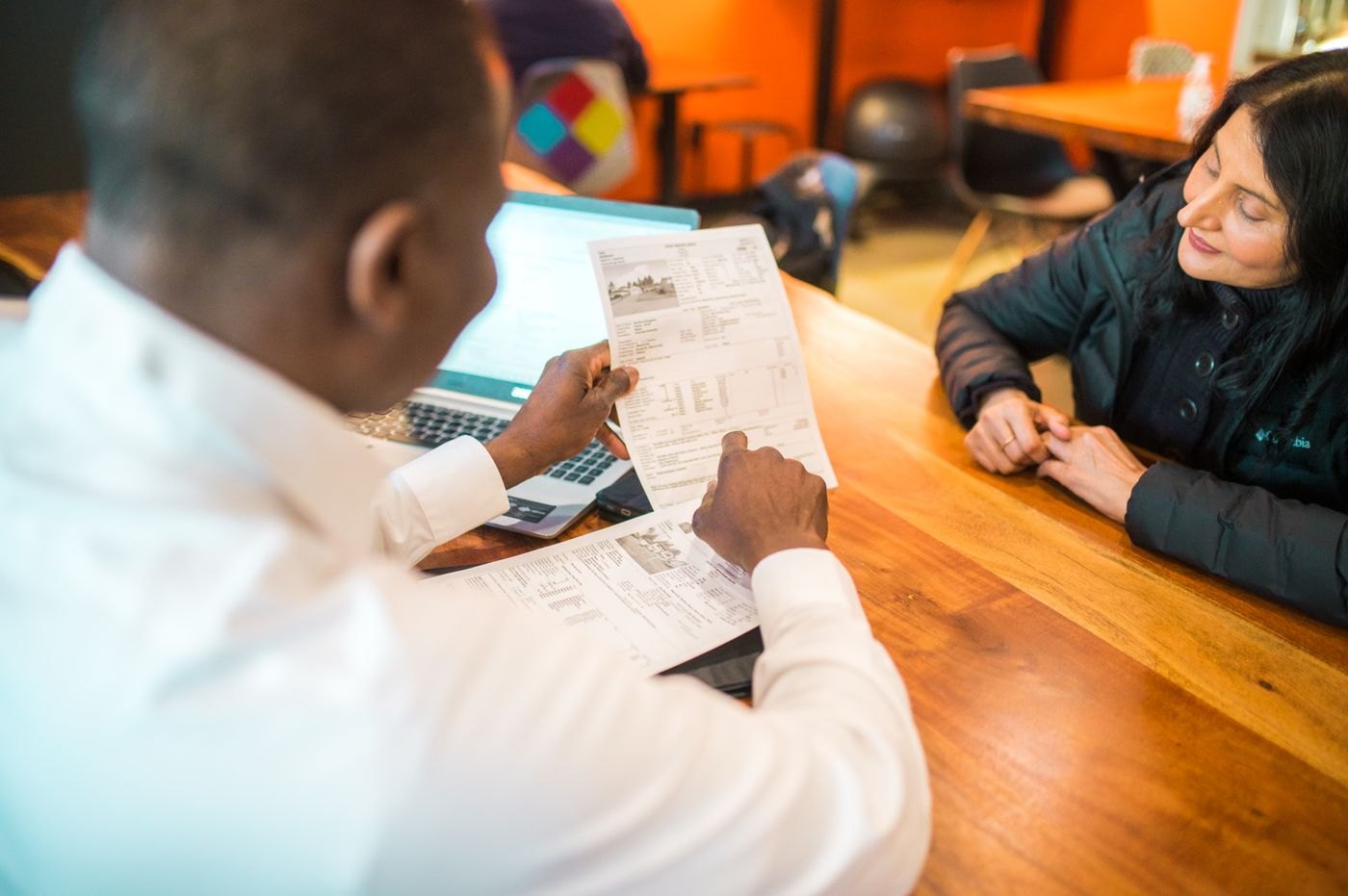
An editor needs to know what is arriving, not just what you hope the book will become. Give the genre or subject, intended readership, current word count and stage of the draft. Mention material outside the main text: notes, tables, captions, appendices or a bibliography can change the work considerably.
Explain the intended reading experience in concrete terms. “A history for readers with no previous knowledge of the period” gives an editor a basis for questioning unexplained references. “For everyone” does not. If there are several audiences, identify the primary one and explain how the others might use the book.
Say what has already happened to the manuscript. Perhaps a structural review led to new chapters, but those chapters have not been reviewed again. Perhaps several contributors wrote in different styles. This is useful context, not an admission you need to conceal. A brief based only on the cleanest opening pages can lead to a poor estimate of the whole job.
“Make it better” leaves too much open. Identify the questions you want the editor to address and agree the level of intervention. Work on structure, sentence-level expression, consistency and final proofs involves different decisions. Do not assume that one label has precisely the same scope for every editor; discuss the actual tasks.
For example, a nonfiction author might ask whether the order of the chapters supports a reader learning the subject for the first time. That is different from asking an editor to check that figure references match the captions. Both may be valuable, but they require different attention and may belong at different stages.
Name any constraints. An established series may have a house style; quotations may have been checked against particular editions; a narrator may intentionally use unusual grammar. Provide the supporting material and explain what is open to discussion. A long list of untouchable passages is less helpful than a clear explanation of the effect you are protecting.
Agree what is outside the job as well. Fact-checking, permissions work, indexing, extensive research and rewriting should not be assumed to be included simply because an editor will encounter those issues. An editor can flag a question without undertaking the investigation needed to settle it.
Describe what you expect to receive: an edited file, an editorial letter, a style sheet, a query list, or some agreed combination. Establish the file format and how changes will be shown. If you need a clean copy as well as a marked-up one, discuss that before delivery day.
Set a schedule that includes your own part. The editor may need answers during the work, and you may need time to consider them. A manuscript-return date immediately before an immovable print deadline leaves little room for decisions, revisions or checking. Identify the next production step so both sides understand which dates are constraints and which are preferences.
Choose one place for decisions. If a query is answered in an email and then discussed on a call, record the final instruction where the editor expects it. Otherwise two individually sensible answers may compete. For a book with several authors, designate who resolves conflicting instructions.
Before sending the full job, read a representative passage with the brief beside you. Would the editor know whether to preserve its terminology, question its assumed knowledge, check its numbers or only correct its punctuation? If the brief cannot guide a real decision, add the missing information.
Keep this document concise enough to use. Put essential instructions first and supporting references after them. Distinguish requirements from preferences and unresolved questions. Version the brief when the scope changes, and make sure both parties are working from the same revision.
The CIEP’s guidance on editorial collaboration stresses clear scope, complete material and communication about changes. Those basics create room for judgement during the edit. A brief does not predict every query; it gives both people a shared way to decide what happens when one arises.
Editing
A source note needs to travel with the claim it supports. Store enough context to understand it after chapters have moved and links have changed.

Editing
A short sample can reveal how an editor approaches your sentences. It cannot show every problem in a book or replace agreement about the full assignment.