
Editing
Discuss sensitive material with an editor
A useful conversation identifies the material, the editorial question and the limits of the review.
Editing
Revision can stop when the draft meets the needs of its next stage and its remaining questions have been consciously resolved.
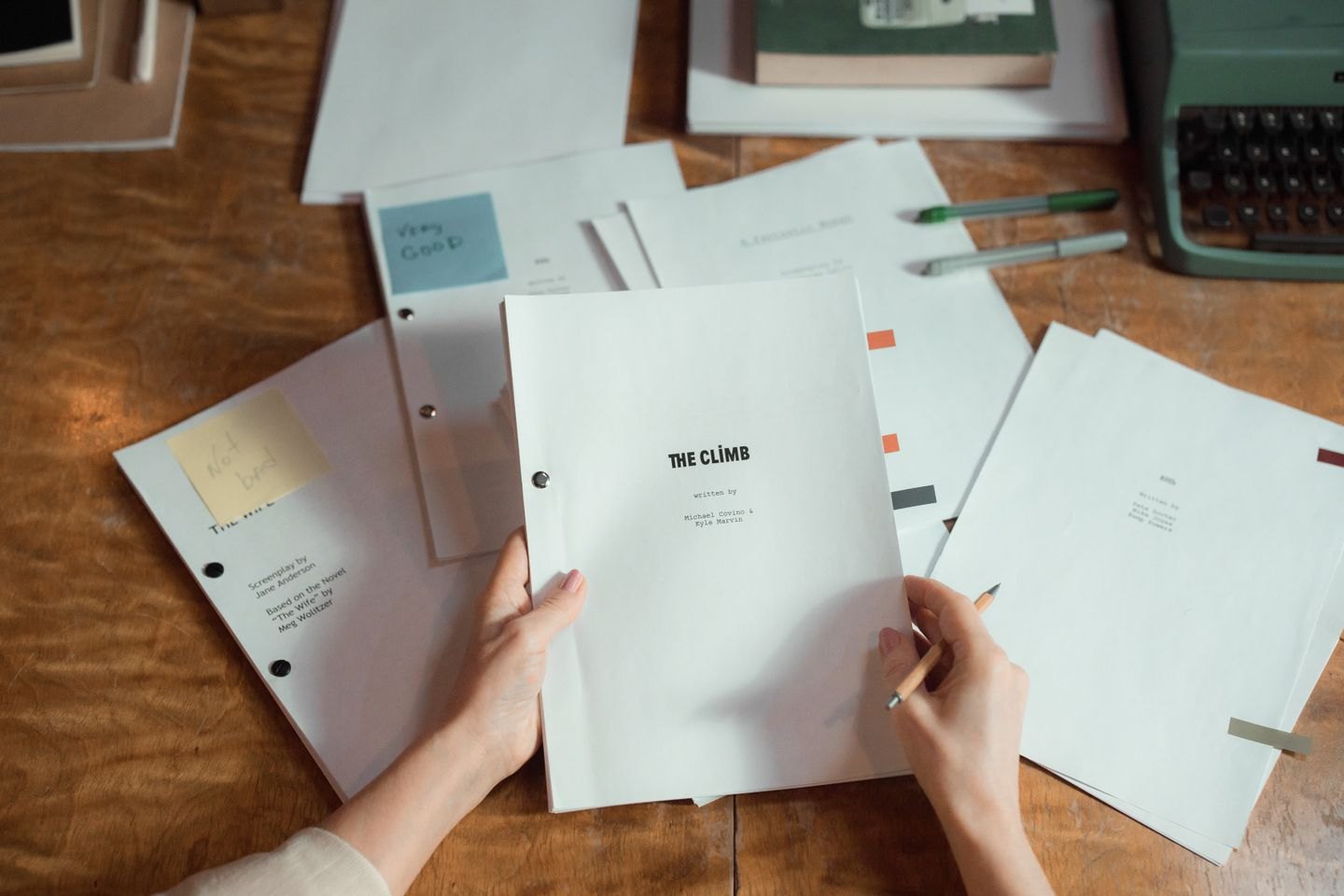
A manuscript rarely announces that it is finished. The same paragraph can look convincing one morning and weak the next. Instead of waiting for complete certainty, define what this revision must achieve. Perhaps the chronology must become clear, the argument needs a missing counterexample, or the ending must follow from the protagonist's choices.
Keep those aims concrete enough to assess. “Make the book better” has no natural stopping point. “Make it clear why she returns before the storm” allows you to inspect the relevant scenes and ask what a reader understands. A finite set of questions gives the pass a purpose without pretending that writing has only one correct solution.
The next stage also matters. A draft ready for structural feedback may still contain rough sentences. A manuscript moving into copyediting should have its major shape settled. A proof approaching approval needs a different threshold again. Calling all these stages “finished” can make necessary work seem like failure or encourage premature polish.
Repeatedly exchanging one acceptable word for another can indicate that the current pass has lost its purpose. So can moving a scene and then moving it back without learning anything about its effect. Save versions and compare them after some distance. Ask what each change improves and what evidence supports that judgement.
Circular work is not always pointless. It may reveal that a local sentence cannot solve a larger problem. If every version of an explanation feels strained, perhaps the concept arrives before the reader has the necessary context. Step back to the appropriate scale rather than continuing to polish the symptom.
An outside response can help when it answers a defined question. Ask a reader to explain the sequence they understood or the choice they thought a character faced. Do not ask them to supply certainty about the entire book. Their account can show whether a specific revision has done its work.
Review your original aims and record which are resolved. For each remaining issue, decide whether it must be fixed now, belongs to a later stage, or is a preference you are choosing to leave alone. A known factual gap should not disappear into a general declaration that the draft is done. Give unresolved tasks a clear location and owner.
Save an identified milestone version and move it to the next planned stage. Keep new ideas in a separate note unless they reveal a problem that warrants reopening the file. This prevents every passing possibility from becoming an immediate intervention.
Stopping is not a claim that no other version could exist. It is a decision that further changes are no longer needed for the present purpose. A stable handover lets an editor, designer or reader respond to an actual manuscript, and lets you judge later suggestions against choices you have consciously made.
Editing
A useful conversation identifies the material, the editorial question and the limits of the review.

Editing
Match early readers to specific questions, give them a manageable brief and treat their responses as evidence about the draft.