Editing
Read for sentence rhythm
Sentence rhythm comes from the movement of thought as well as the length of the lines on the page.
Editing
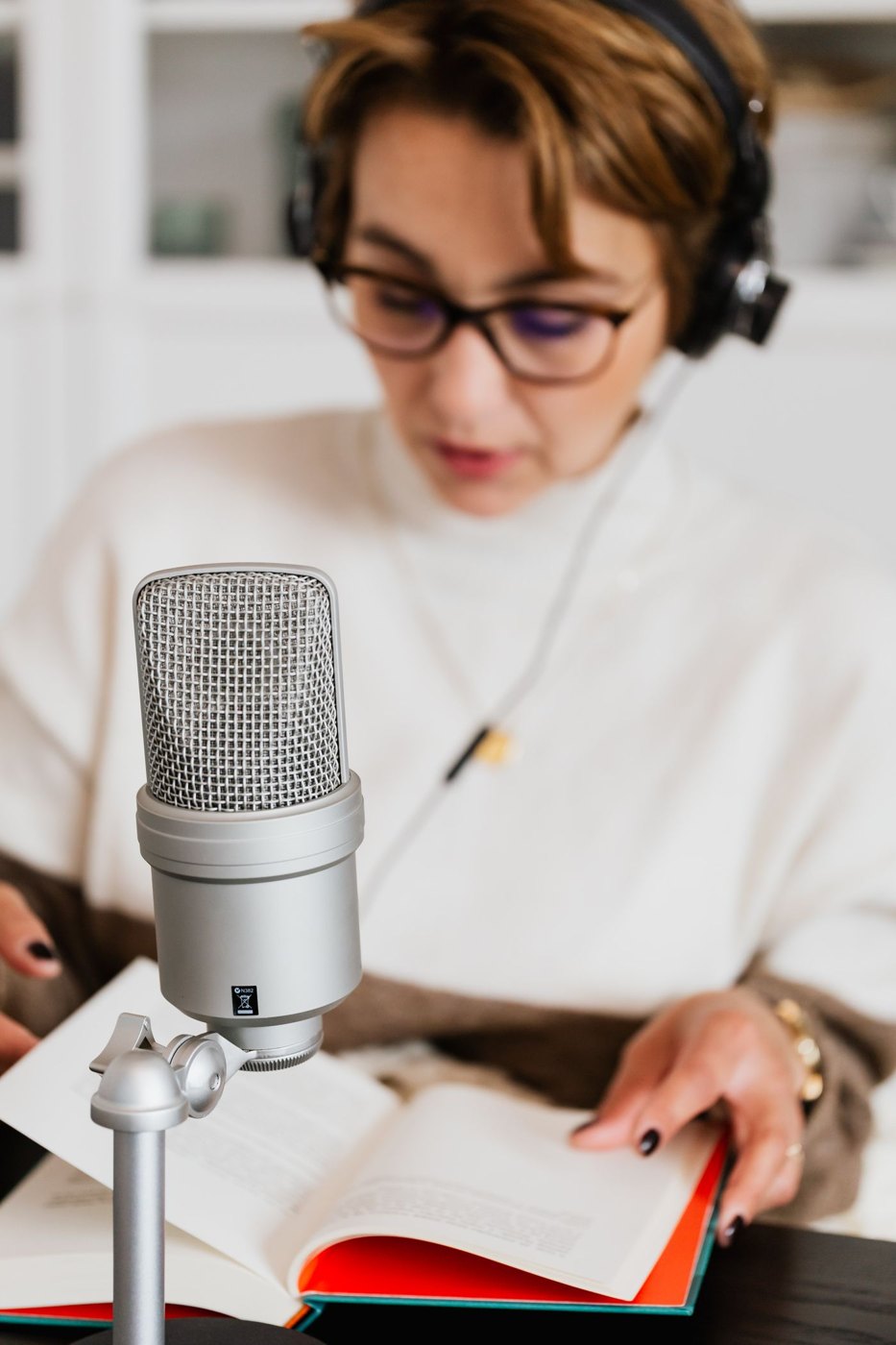
Reading aloud can expose awkward movement and missing words, provided you listen to what is written rather than silently repairing it.

When you know a draft well, your eyes can move through what you meant to write. Reading aloud makes some of those assumptions harder to sustain. A missing word, a tangled clause or an unintended repetition may become noticeable when you have to give each sentence a voice.
Read at a comfortable pace without performing the passage to make it work. Pause naturally where the wording asks you to pause. If you repeatedly run out of breath or lose the thread, mark the place and continue. The problem may involve punctuation, sentence structure or an idea that needs more room; the mark preserves the evidence for later examination.
Listen for repeated sounds and phrases, unclear pronouns and changes of register. A formal phrase may stand out sharply in an otherwise conversational paragraph. Dialogue may reveal that several characters use the same rhythms, or that an exchange explains information both speakers already know.
Use a short enough section to maintain attention. A few pages read carefully can reveal more than a long chapter rushed through at the end of a session. If speaking is uncomfortable or impractical, text-to-speech can provide another way to encounter the wording. Its delivery has limitations, so treat the result as a prompt to inspect the text.
Do not assume that every stumble proves a sentence is wrong. Unfamiliar names, deliberate complexity and your own fatigue can affect the reading. Look at the marked passage and identify the actual obstacle before revising it.
Try one change at a time, then read the surrounding sentences again. Breaking a long sentence may help, but it can also sever a relationship that the reader needs. Removing a repeated word may improve sound while making a reference less clear.
Reading aloud also has limits. It will not establish whether a quotation is accurate, a source supports a claim or a chapter belongs in its current position. Keep those checks separate. Use the spoken pass for the questions it answers well: how the prose moves, where its meaning becomes difficult to carry and which patterns you had stopped noticing.
Editing
Sentence rhythm comes from the movement of thought as well as the length of the lines on the page.
Editing
A line edit examines how the prose delivers meaning, emphasis and voice once the larger shape of the manuscript is reasonably settled.