
Editing
When two readers disagree about the same passage
Conflicting feedback becomes easier to use when you separate a reader’s experience from their proposed repair.
Editing
Distance helps you notice what the page actually contains, provided the pause has a clear return point.
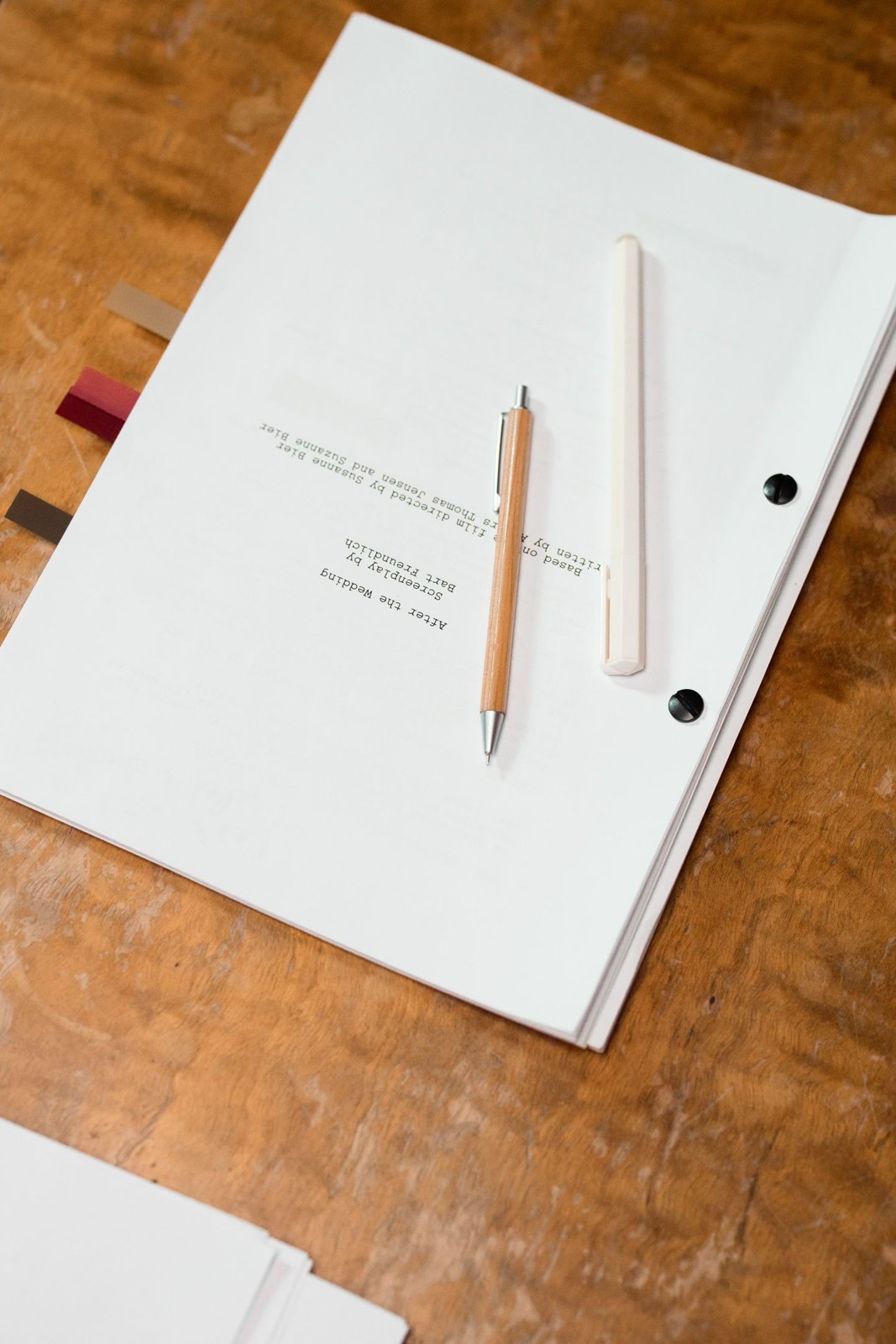
Immediately after writing a scene, you may still hear the explanation you meant to include rather than the words you actually wrote. A pause can weaken that memory enough to make omissions noticeable. There is no universal interval that guarantees a fresh reading. The useful length depends on the draft, your deadline and how intensely you have been working on it.
Before putting the manuscript away, save a dated version and leave a short note about its state. Record unfinished sections and a few unresolved questions. Do not create a second manuscript disguised as a list of every possible improvement. The note should let you return without reconstructing the project from memory.
If possible, spend the break on something that uses different material: another kind of reading, an unrelated task or ordinary time away from the desk. Repeatedly opening the draft to adjust a sentence maintains the very familiarity you are trying to interrupt. Research can have the same effect if it keeps you mentally rewriting the book throughout the pause.
On the first return, read a substantial continuous section without repairing each sentence. Mark brief reactions: confused here, repeated point, wanted more, unexpected shift. This gives you evidence about the reading experience before small corrections consume your attention. Afterwards, compare those reactions with the worries you recorded before the break.
Some old concerns may no longer matter; other problems may become obvious. Prioritise what you can now identify on the page. A concern that persists across readings deserves investigation, but its persistence alone does not prove that the original proposed solution was right.
When the schedule allows little time away, change the conditions of reading. A printed copy, a different display size or reading aloud may interrupt habitual scanning. These methods do not reproduce complete unfamiliarity, but they can expose missing words and awkward transitions. Set a return date and a defined first pass. A pause that ends in one concrete reading session is more useful than an indefinite promise to revisit the book when you feel entirely objective.
Editing
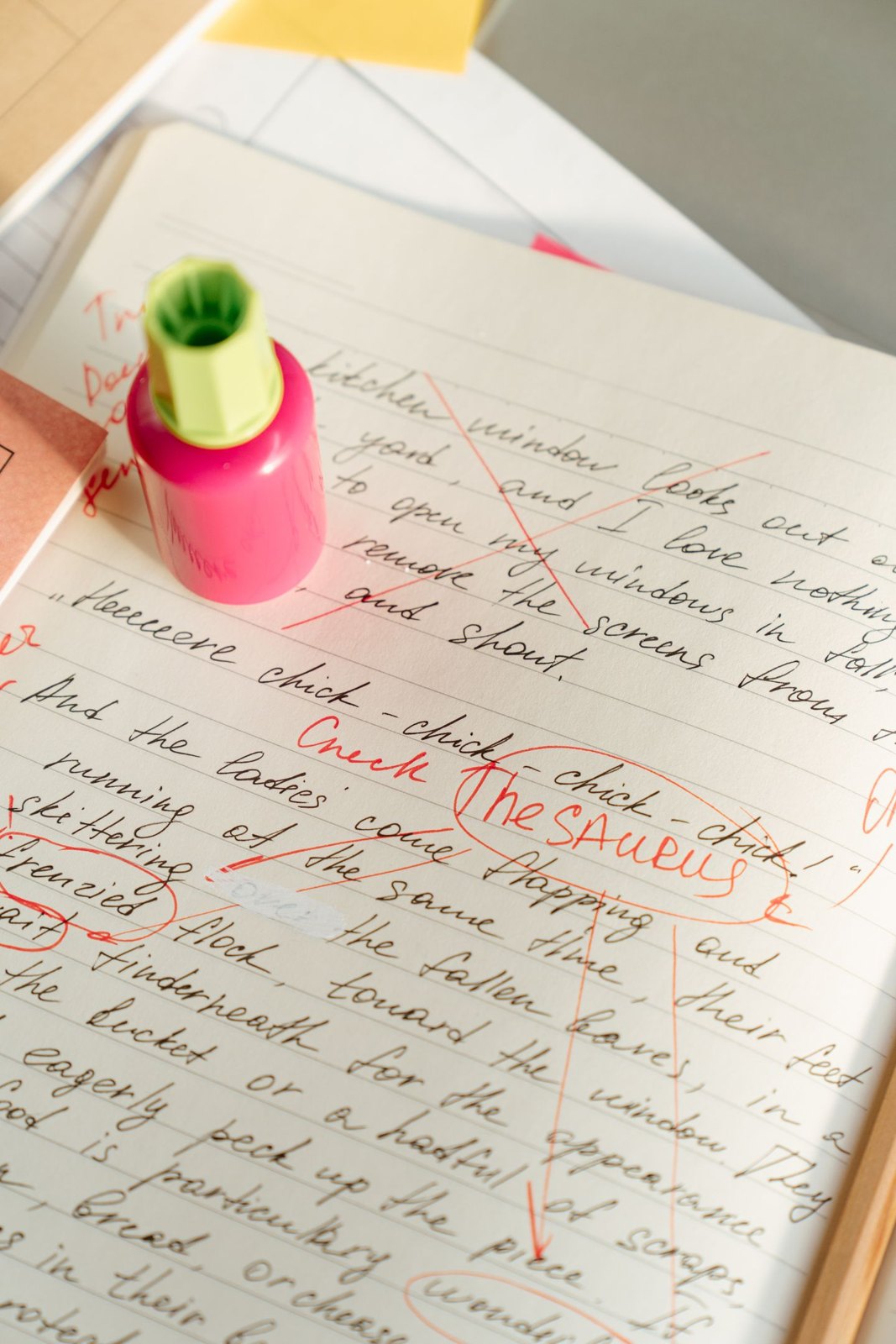
Conflicting feedback becomes easier to use when you separate a reader’s experience from their proposed repair.
Editing
Test a cherished passage by what it contributes to this book, then consider placement and scale before cutting it.