
Author marketing
When a reader review needs a reply
Distinguish a correction or direct question from an opinion that belongs to the reader.
Author marketing
A short excerpt should retain its meaning when it leaves the surrounding chapter.
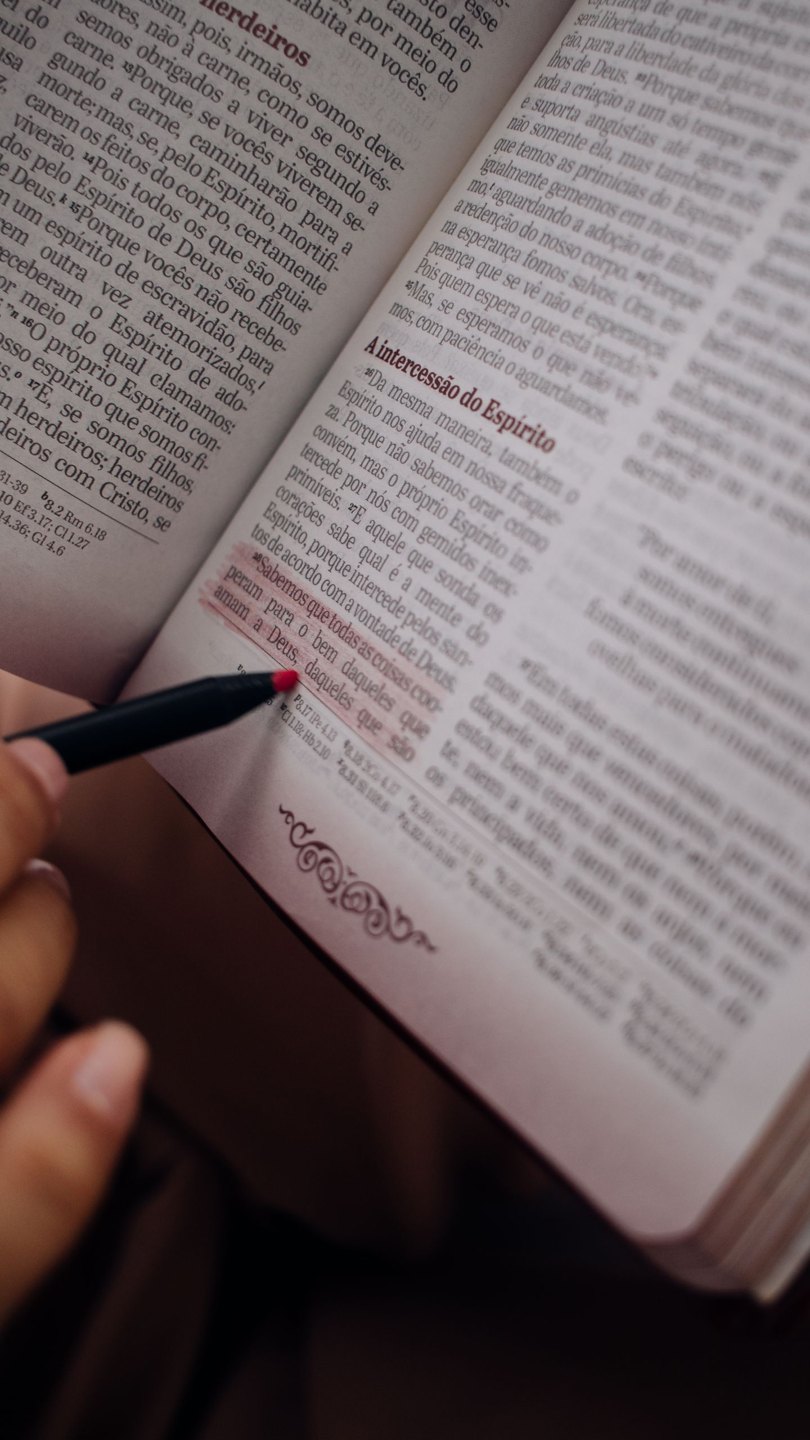
A sentence that is clear inside a chapter may become misleading when presented alone. Remove the surrounding paragraphs and ask what a new reader would assume. Pronouns, unexplained names and ironic statements are common sources of confusion. Choose a passage that can survive a small amount of framing rather than one that needs a miniature essay to repair it.
For fiction, look for a voice, image or exchange that offers a truthful sense of the book. The most dramatic line may reveal a major turn or imply a genre the book does not otherwise deliver. For nonfiction, preserve qualifications that materially change the claim. A shorter excerpt is not better if it becomes inaccurate.
Decide whether the excerpt introduces the voice, explains an idea, invites a discussion or points to a sample. Its presentation can then support that purpose. A dense paragraph may be suitable for a newsletter but awkward in a small image. An isolated phrase might be striking visually while communicating almost nothing about the book.
If you shorten the passage, make omissions clear where needed and check that the meaning remains intact. Do not join sentences from different places in a way that suggests they were originally continuous. Keep a record of the source chapter and approved wording so that later versions do not drift.
Identify the book and author in a readable way. A widely shared image can become detached from its original post. At the same time, avoid filling the graphic with so much metadata that the passage becomes unreadable. The accompanying text can provide a stable link and fuller context.
View the excerpt at phone size. Text that looks generous on a large design canvas can become tiny in a feed. Break lines at sensible points and use adequate contrast. If the passage needs a very small type size to fit, use a shorter selection or a different format.
Provide the text in an accessible form alongside an image-based excerpt. Do not assume that everyone can read text embedded in a graphic. A caption containing the quotation also makes it easier to understand when images fail to load or are displayed at a reduced size.
Write accompanying words that tell readers why the passage is being shared. A brief note about the scene or idea can create a useful entry point without explaining away the text. If a link is included, send readers to the relevant book or sample page rather than an unrelated destination.
Before publishing, compare the excerpt against the final edition, confirm any necessary permissions and review potential spoilers. Keep a few different kinds of passage available instead of repeating the same line indefinitely. Each selection should show something recognisable about the book while remaining intelligible in its new setting.